

Introduction
“If any accident occurs to any of us who are not upon the society, they must be as bad off as I am. If I only had a little nourishment to strengthen me, I could do my work again; but, poor as I am, I can’t get strength to do it.” – The Coal Heavers, Henry Mayhew
Both Henry Mayhew and Charles Dickens wrote about and interviewed London’s poor and working classes during the Victorian period, to great effect. However, the two men differed greatly in their approaches. Mayhew preferred to take a closer look at specific examples, citing at length the words of individual working class people. Dickens, on the other hand, tended toward a more general view in which he narrated about the poor for a middle or upper class audience. In “A Christmas Carol,” he does this quite literally, as the Ghosts of Christmas Past, Present, and Future take Scrooge on a journey where he sees for the first time the conditions of his countrymen.
For my gallery, I chose to focus on a lack of access to adequate healthcare among the working class, and to connect that to our continuing lack of healthcare today. Indeed, it’s almost eerie to read about the coal heavers that Mayhew interviewed about being injured on the job and left permanently disabled with little recourse against their employers for their dangerous working conditions, and then to see news articles about the exact same thing happening to Amazon workers in our modern times. While some progress has been made towards increased access to healthcare and increased workers’ rights, the capitalist class will continue to search for every excuse to deny those rights when it would save them money to do so.
Works Cited:
Buist, Erica. "The strange reason 19th century Londoners thought 'the world would end' if the London Underground was built." MyLondon, 11 November 2021. https://www.mylondon.news/news/nostalgia/strange-reason-19th-century-lo…. Accessed 27 March 2022.
Dickens, Charles. A Christmas Carol. 1843. Accessed 27 March 2022 via COVE Studio.
Glaser, April. "Lack of oversight and transparency leaves Amazon employees in the dark on Covid-19." NBC News, 30 September 2020. https://www.nbcnews.com/tech/tech-news/lack-oversight-transparency-leav…. Accessed 27 March 2022.
Humpherys, Anne. “DICKENS AND MAYHEW ON THE LONDON POOR.” Dickens Studies Annual, vol. 4, Penn State University Press, 1975, pp. 78–179, http://www.jstor.org/stable/44372536.
Mayhew, Henry. The Coal-Heavers. Accessed 27 March 2022 via COVE Studio.
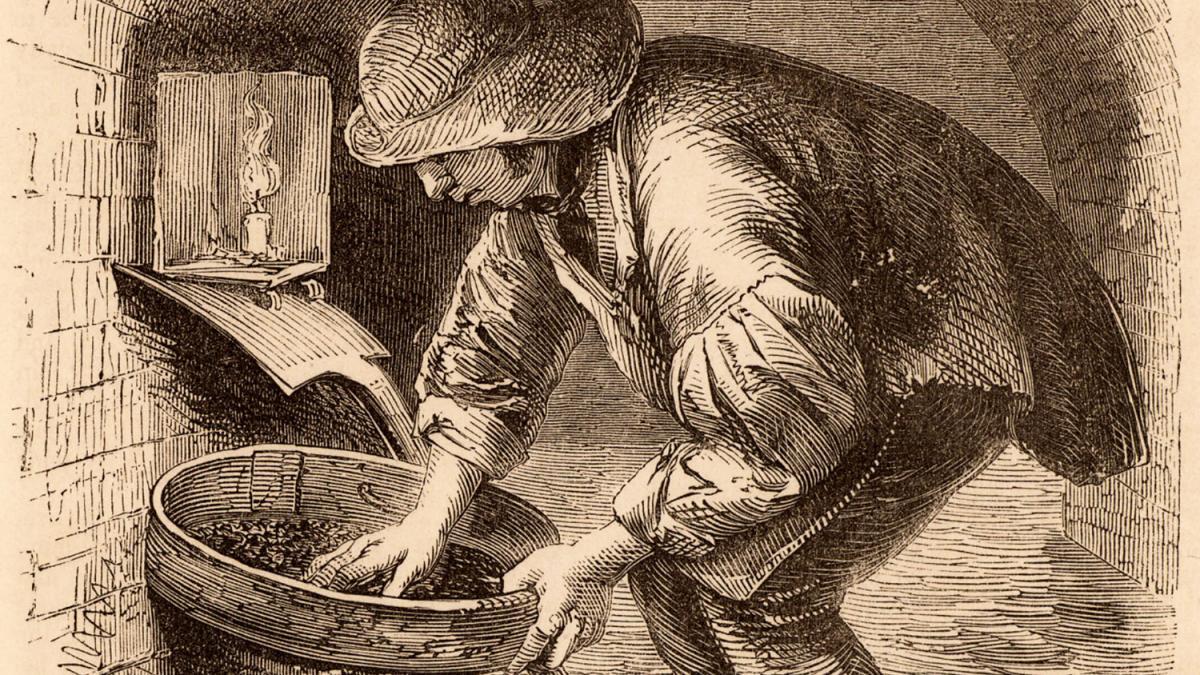
Image 1: The Sewer-Hunter (image source: https://www.thetimes.co.uk/article/the-walworth-beauty-by-michele-rober…)
Henry Mayhew interviewed many working-class people about their lives and working conditions in his book, “London Labour and the London Poor.” What he found was evidence of just how desperately most of them had to live. Many people were facing homelessness, starvation, and death as a result of the poor social safety nets of the time and a lack of concern from the upper-classes. This image is of a sewer-hunter, a person who would quite literally sneak down into the sewers in order to search through the muck for anything that could potentially be sold: coins, bits of metal, that sort of thing. Needless to say, this sort of work was quite dangerous, as the potential for catching an illness when you are walking through, breathing in, and physically handling human excretions is very high. Additionally, people were sometimes buried alive when brickwork crumbled, or drowned when water rushed through the sewers. And, of course, there were the rats to contend with. There was no universal healthcare, and workers who became ill or injured from this dangerous job would be faced with both the cost of care as well as the lost income from taking time off to heal.
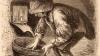
Image 2: The Coal Heavers (image source: https://www.magnoliabox.com/products/ballast-heavers-at-work-in-the-poo…)
Similarly, Henry Mayhew interviewed coal heavers, including a man who had been injured on the job. This man explained, “While I was in the hospital, I did not receive anything from our benefit society, because I had not been able to keep up my subscription.” In Victorian times, people could pay into these benefit societies in order to receive medical and financial aid should they need it—comparable to modern-day health insurance. However, if you couldn’t afford to pay in, then you would not receive any help. Due to the lack of health insurance and disability benefits from his employer, this man and his family were now experiencing homelessness and nearing starvation, relying on the generosity of their family members (often nearly as poor as them) to help them. The man says, “If any accident occurs to any of us who are not upon the society, they must be as bad off as I am.” He explains the vicious cycle that comes with a lack of proper nutrition: he cannot regain his strength to work, but he cannot get more money for food unless he finds a way to work.
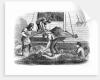
Image 3: Tiny Tim, from "A Christmal Carol" by Charles Dickens (image source: https://en.wikipedia.org/wiki/Tiny_Tim_(A_Christmas_Carol)#/media/File:…)
#/media/File:Tiny-tim-dickens.jpg)
In “A Christmas Carol,” the character of Tiny Tim represents neglect by the capitalist class of their working class laborers. Tiny Tim is dying, not from his disability, but from a lack of proper nourishment and healthcare. The Ghost of Christmas Present warns Scrooge, “If these shadows remain unaltered by the Future, the child will die.” It is the literary embodiment of workers like those represented by Mayhew, put into the character of a disabled child in order to draw greater sympathy and understanding from the audience. The effect of Scrooge’s change of heart on Tiny Tim’s life is, quite literally, the difference between life and death. The problem with the message of this book, though, is that changing the mind of one individual employer is not enough to change the system as a whole that is killing people. Tiny Tim remains a symbol, but the Scrooges of the world have yet to pay attention.
Image 4: Amazon Workers and COVID-19 (image source: https://www.nbcnews.com/tech/tech-news/lack-oversight-transparency-leav…)
“The pandemic and its effect on workers is the largest public health crisis in my lifetime.”
This brings us to the modern day. While we have seen improvements in the lives of working-class folks, every victory has had to be fought for as workers organize, unionize, and strike for their rights to work safely. Because we still live under capitalism, companies mostly remain determined to offer as little benefits as they legally can, find loopholes to existing laws whenever possible, and discourage the formation of unions by their workers. Nowhere is this more obvious that when we look at Amazon, whose founder became one of the richest men in the world while his workers suffered. For years, the company has had issues with workplace injuries reminiscent of Mayhew’s Coal Heavers, and for many of those workers, finding adequate care and compensation for their injuries has been difficult or nonexistent. The global COVID-19 pandemic put this problem into an even more glaring light, as the company demanded increased hours from its workers while failing to properly ensure their safety from the virus. Clearly, we have not come as far as we might like to think we have in ensuring proper healthcare for all of our citizens.