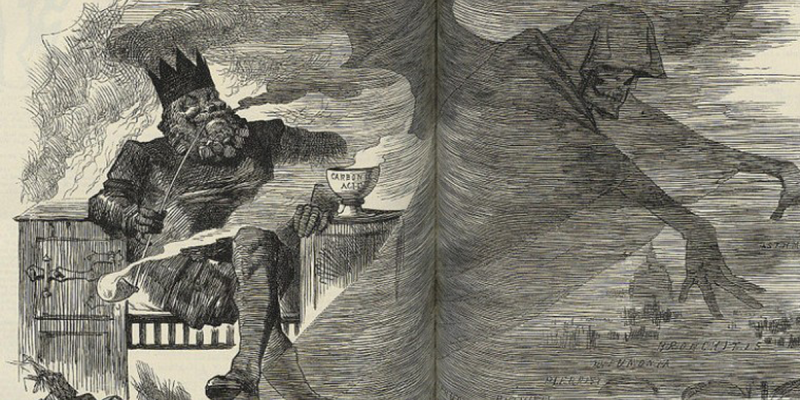
William Delisle Hay's The Doom of the Great City (1880) is relatively unknown today, even among scholars who specialize in Victorian literature. There is little scholarship on the novella, and it’s not commonly taught in high school or college classrooms. Our hope is that this critical edition will change that. Doom's engagement with nineteenth-century science, environmental… Read more
Editor(s): Allison Hamilton, Seth Reno
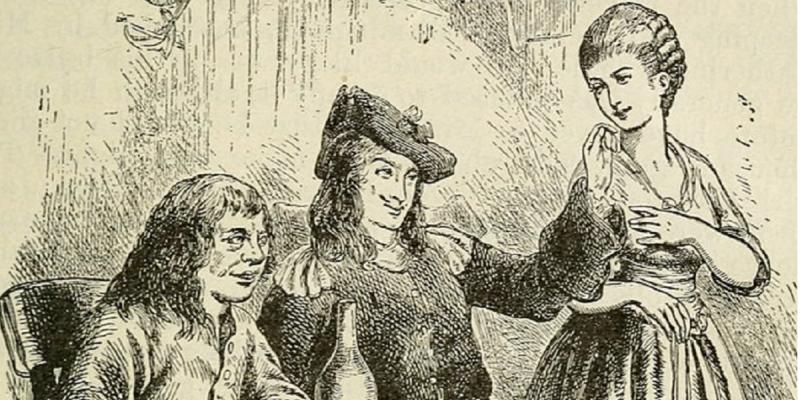
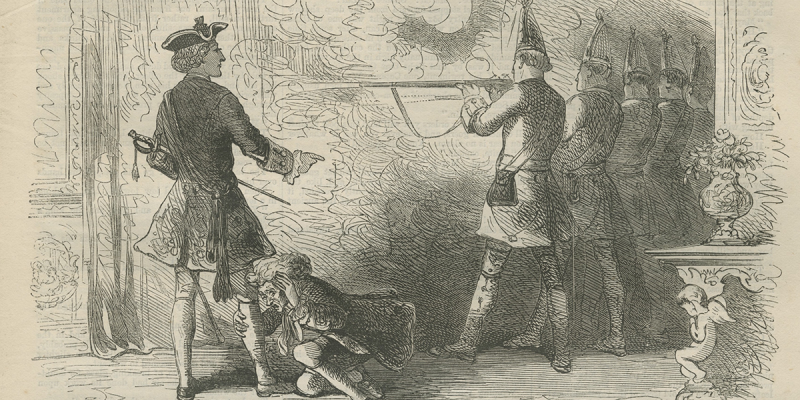
A forgotten masterpiece, William Makepeace Thackeray’s first novel, Catherine, has languished in obscurity, in part due to its author’s own unhappiness with it. He had set out to write a satire of the Newgate novels of the 1830’s with their glorification of criminals, but instead turned out a tale of a roguish heroine much in the mould of the equally roguish heroine of Vanity Fair: Becky Sharp… Read more
Editor-In-Chief: Sheldon Goldfarb
Robert Louis Stevenson cherished the 1866 penny dreadful A Mystery in Scarlet, written by his "genuine influence" Malcolm J. Errym, the pseudonym of "Sweeney Todd" creator James Malcolm Rymer (1814-84) and illustrated by the celebrated "Phiz" (Hablot K. Browne, 1815-82). Once assumed lost, A Mystery in Scarlet is now reprinted for the first time since 1866… Read more
Editor-In-Chief: Rebecca Nesvet
Editor(s): Rebecca Nesvet
Thomas Carlyle once described Sartor Resartus as “a Satirical Extravaganza on Things in General,” and the book has both inspired and confounded readers since its initial publication in 1833-34. Engaging with philosophy, theology, political economy, aesthetics, history, and science, Sartor Resartus in many ways defies classification. Tracking the volume'… Read more
Editor(s): Kimberly Stern
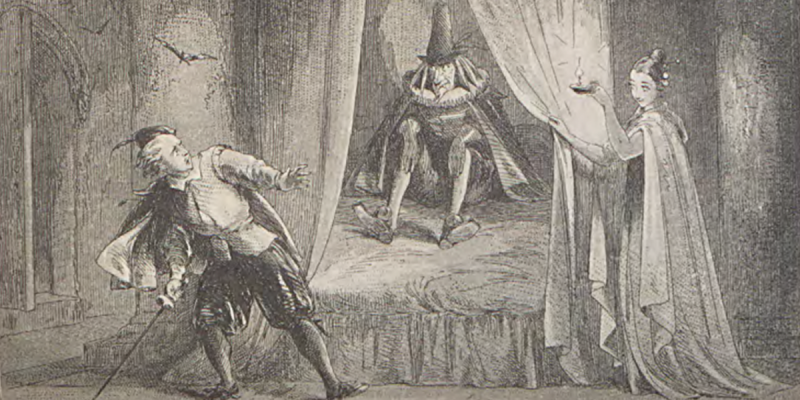
The short story originally published as “Strange Event in the Life of Schalken the Painter. Being a Seventh Extract from the Legacy of the Late Francis Purcell, P.P. of Drumcoolagh” in Dublin University Magazine (May 1839) is widely recognized as the earliest masterpiece by the Irish novelist, short story writer, and journalist Joseph Sheridan Le Fanu (1814-1873). The original version… Read more
Editor-In-Chief: Edward Jacobs
Editor(s): Rebecca Coleman, Dan Fuller, Jennifer Hartshorn, Jim Haycox, Jaclyn Henegar, Heather Herbert, Edward Jacobs, Diana Nogay, Julie Sorge Way, Karen Taylor
Set in the aftermath of Chartism, the European revolutions of 1848, and the bursting of the railway bubble, William North’s The City of the Jugglers; or, Free-Trade in Souls: A Romance of the “Golden” Age (H. J, Gibbs, 1850) is constructed around the rise and fall of an audacious commercial speculation in human souls, and, with it, England’s reactionary social order. Punctuated… Read more
Editor-In-Chief: Albert Pionke
Editor(s): Kaitlin Brihn, Avery Downing, Haley Garrelts, Jacob Kynard, Kyle Labe, Kaitlyn McClung, Lilith Osburn-Cole, Kassie Sarikas, Tess Stepakoff, Abigail Tetzlaff
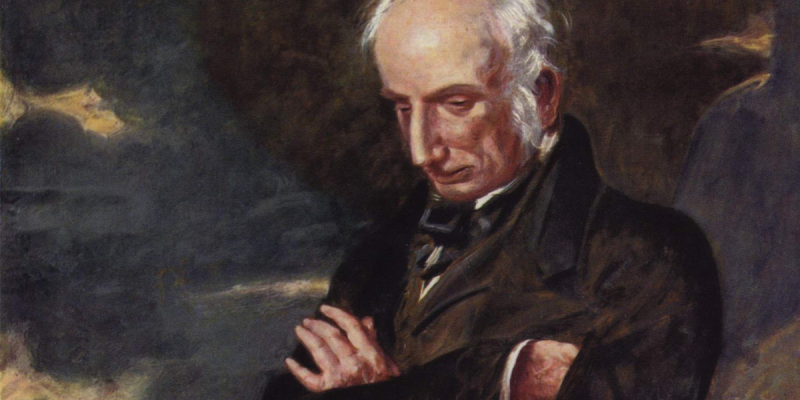
This edition of EBB’s sonnet, most widely known under the title of “On a Portrait of Wordsworth, by R. B. Haydon,” is the first effort to create what we are calling an “omnibus edition” of a literary work. The edition brings together three tools that have been created for The COVE: an annotation tool, a timeline-builder, and a geospatial map-builder.
Editor(s): Dino Franco Felluga, Marjorie Stone, Joshua King, Christopher Rovee
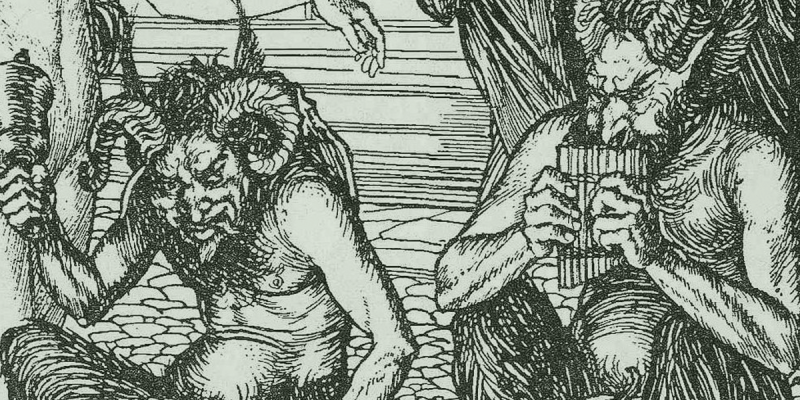
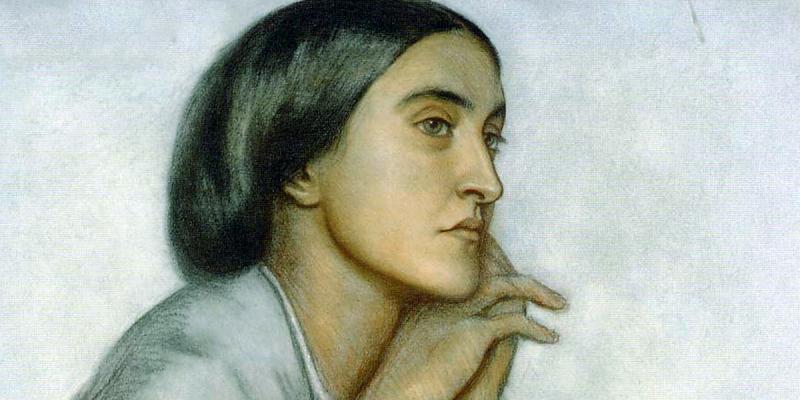
The title poem of Christina Rossetti’s first commercially published collection of poetry, Goblin Market and Other Poems (Macmillan, 1862), “Goblin Market” has always delighted, perplexed, and inspired readers. A poetic fairytale expressed in deceptively simple form, and imbued with Pre-Raphaelite sensuality and spiritual symbolism, “Goblin Market” met its first public with two… Read more
Editor(s): Antony Harrison, Lorraine Kooistra
"The Harlot's House" (1885; 1904) suggests why Oscar Wilde came to embody Victorian decadence and aestheticism, not just for his time and place but globally and ever since. This relatively early poem contains many of the aesthetic, political, and philosophical complexities that have come to characterize Wilde and the fin de siècle. This edition of "The Harlot's House" brings together some of… Read more
Editor(s): Dennis Denisoff, Regenia Gagnier
Joseph Conrad’s Heart of Darkness, first published serially in 1899 and then in book form in 1902, explores with unparalleled intensity the enormity of European imperialism in Africa. A prescient instance of what would become the literary movement known as modernism, the novella also experiments with frame narration and features a complex, highly figurative style. This edition of Heart of… Read more
Editor(s): Cannon Schmitt
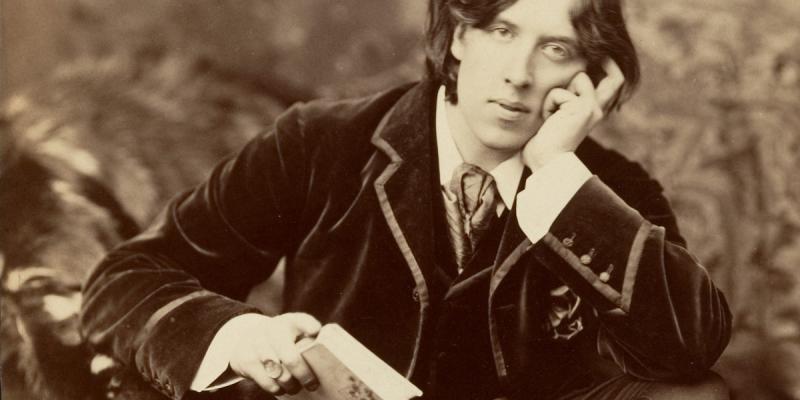
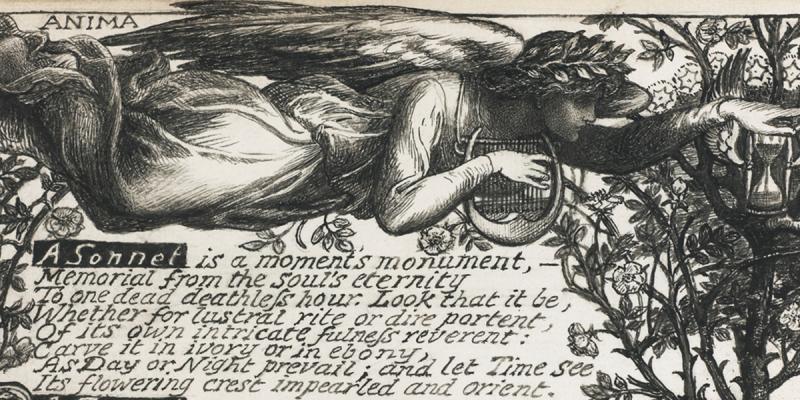
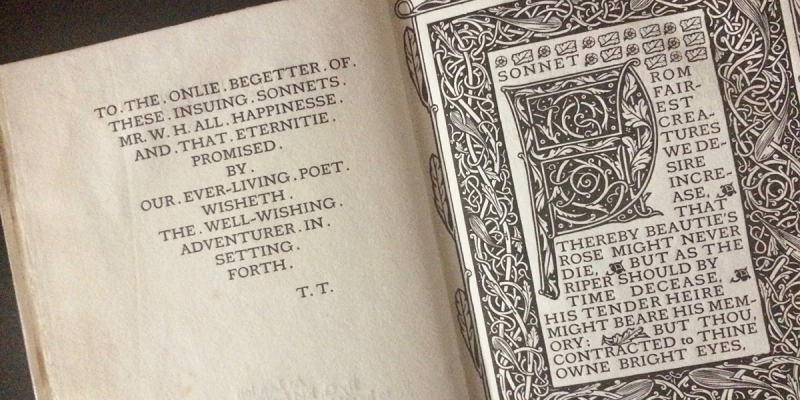
“The Portrait of Mr W. H.” was first published in Blackwood's Magazine in 1889 as a short story dealing with forgery, literary interpretation, and Shakespeare’s Sonnets. After its initial publication, Wilde drafted an expanded version that would have been entitled The Incomparable and Ingenious History of Mr W.H; however, it was lost for over twenty years… Read more
Editor-In-Chief: Sandra Leonard
Editor(s): Graham Price, Charles Schmied, Florina Tufescu
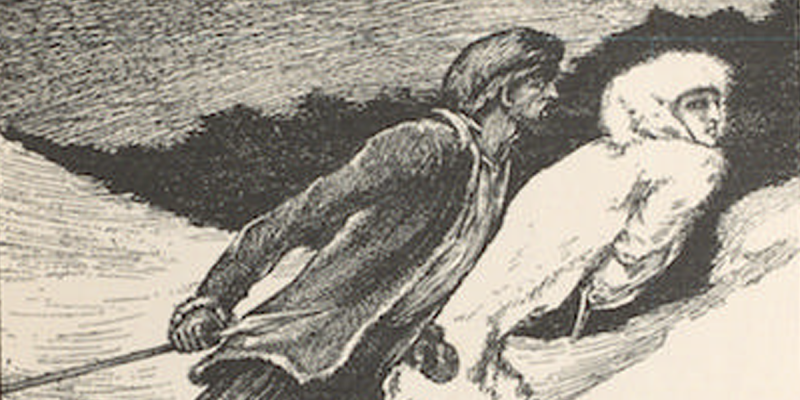
Clemence Housman invented her gothic story to entertain the women in her wood-engraving class in London in 1884. She first published "The Were-Wolf" in the 1890 Christmas number of Atalanta, where it was illustrated by Everard Hopkins. In 1896 she collaborated with her brother, Laurence Housman, to produce an illustrated edition of The Were-Wolf for John Lane at The Bodley… Read more
Editor-In-Chief: Lorraine Kooistra
Editor(s): Danielle DiFruscia, Emily C. Fleming, Soraya Gallant, Alex Heath, Hayley Horvath, Emily Hunsberger, Hadia Khan, Mary Ann Matias, Harpreet Kaur Natt, Emily Proulx, Michael Seravalle, Erni Suparti, Kate Womby Browne, Lorraine Kooistra