
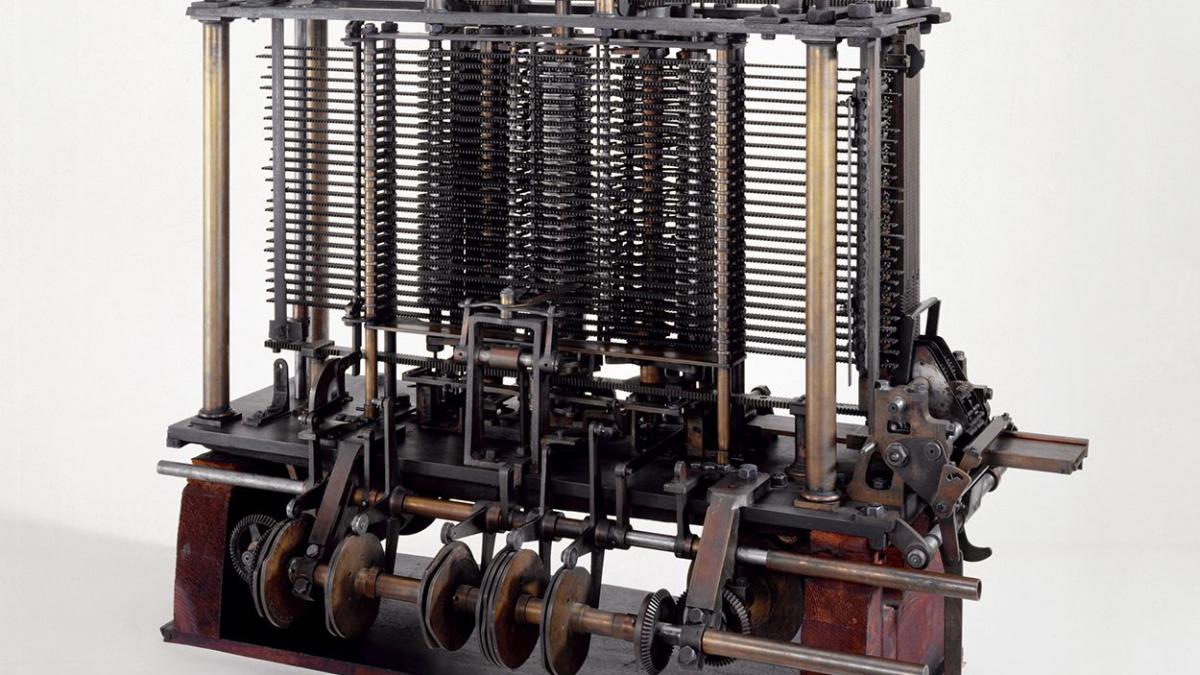
The Analytical Engine, first proposed in 1837 by its creator, Charles Babbage, was a machine that could be used to perform arithmetic sums: the first calculator, and in broader terms, the first computer. Babbage's vision for the machine was for it to be programmed using punch cards and for it to perform calculations, but he never thought beyond the scope of this problem. His close collaborator, Ada Lovelace, did, however, and recognized the machine's potential and capabilities, publishing extensive notes on the machine and going to actually create the first algorithm for the machine, which is today recognized as the first algorithm for any computer.
Due to a lack of funding, the machine was never completed during either Lovelace's or Babbage's lifetimes. Instead, Babbage's son, Henry Babbage, went on to finish developing and build parts of the machine in 1910, which did indeed have the ability to make simple calculations.
Works cited:
“What Is an Analytical Engine?” Computer Hope, 2 Oct. 2017, www.computerhope.com/jargon/a/analyten.htm.