Introduction:
D. H. Lawrence's "How Beastly the Bourgeois Is" is a poem that starts with calling the bourgeois beastly, "especially the male of the species" (Lawrence, line 2). He gets straight to the point that he is trying to unpack. Lawrence then proceeds to explain their outer appearance: "Presentable, eminently presentable--" (line 3), "Isn't he handsome? Isn't he healthy? Isn't he a fine specimen?" (line 5), and even "God's own image?" (line 7). This sarcasm is provided to the reader's expectation higher towards the bourgeois. Lawrence then uses the sarcasm to pivot into his social commentary. He dives deep into the bourgeois's actions and inner character. Lawrence goes on to explain that whenever they are faced with any difficulty, they show the ugly and cruel side that dominates them. Descriptions like "soggy" (Lawrence, line 16), "mess" (Lawrence, line 17), "mushroom" (Lawrence, line 23), and "wormy" (Lawrence, line 30). Though it all comes back to "How beastly the bourgeois is especially the male of the species--" (Lawrence, lines 1-2).
D. H. Lawrence's piece critique's the working class of the time directly. Being published in the modernist era, you can see many elements of that used throughout, especially in its' individualistic approach. The symbolism, absurdity, and larger issue it tries to tackle are all evidence of this modernist approach as well. Lawrence uses modernism and begins the piece with a satirical sense and then moves into the analysis of their character. He does this with the basic explanation that they are beastly. This imagery dominates the piece and uses it in a way that paints a picture contrary to what many people would like to see at the time it was published. Within this, Lawrence is critiquing the society around him, especially that of the bourgeois men in power. He pushes back against the idea of the superior bourgeois and uses this beastly imagery to exploit and critique them. This analysis and caricature is the whole driving force of the poem and this gallery exposes this language and message.
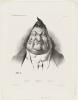
Looking further into this, there are many political cartoons and other illustrations that depict different scenes in this way. With that being said, the goal of this gallery is to expose the imagery used to describe the bourgeois in very visual pictures found that support the text well. This gallery uses four different images, each showing the critique of the bourgeois in a way that uses imagery that shows the "beastly" and deceptive nature of the time.
Works Cited
Lawrence, D. H., "How Beastly the Bourgeois Is." COVE Studio, 1917, https://studio.covecollective.org/anthologies/sp22-eng-l302-anthology/d…
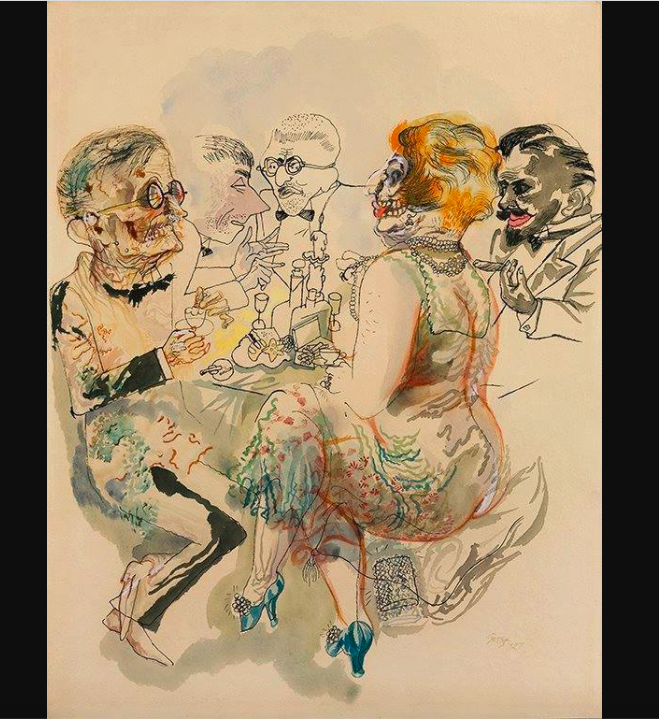
Fig. 1. Grosz, George. "Illustrious Society". 1927.
https://medium.com/poem-of-the-day/d-h-lawrence-how-beastly-the-bourgeo…. Accessed 13 Mar. 2022.
"Doesn't he look the fresh clean Englishman, outside?" (Lawrence, line 6)
This painting titled Illustrious Society by George Grosz was published in 1917. George Grosz was born in Berlin and lived much of his life there. His career is defined by expressionism, caricatures, and work towards social upheaval. You can see the couple at the table enjoying a nice meal. They are dressed well and even wearing fancy jewelry. This is then heavily contrasted when you see their faces. They are shown looking ghastly and reflecting more death than life. This commentary fits perfectly within "How Beastly the Bourgeois Is". Grosz and Lawrence share in this goal of social commentary. They both show that the bourgeois present themselves in a way to be above others in how they dress or carry themselves. "Oh, but wait!" (Lawrence, line 11). You see the grotesque features and monstrous image take over. As it has been stated, this shows the true nature of their character in their depictions. This social commentary all works towards the contradiction of appearance and true actions of the individual which is done by showing the monstrous and deathly qualities of the bourgeois. "How beastly the bourgeois is, especially the male of the species--" (Lawrence, lines 1-2).
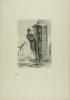
Fig. 2. Maurand, Charles. "Full!!!". 1862.
https://www.artic.edu/artworks/30428/full. Accessed 21 Mar. 2022.
"Let him meet a new emotion, let him be faced with another
man's need," (Lawrence, lines 12-13)
This piece titled "Full!!!" was created by Charles Maurand who was from Paris. He was heavily influenced by Daumier who has works included later in this gallery. Both used their art to speak on social issues which often brought on trouble. In this piece, you can see an average man trying to get out of the rain by hopping onto a trolley but a man looking down his nose is trying to turn him away not giving second thought to the conditions of the weather. This speaks to the ignorance of the bourgeois, they talked down to the classes below them and always saw them as less than but yet turn them away when they are in need. It seems there is always this notion of the lower classes not trying to be any kind of "better off" but here it depicts the bourgeois in a way of actively pushing them down/away. The bourgeois are shown as an aggressor, "Watch him turn into a mess, either a fool or a bully." (Lawrence, line 17) This shows that when the bourgeois see any need other than their own or something that challenges them, they become bitter, angry, and a mess. We see the bourgeois revealing themselves in their actions towards others, which is exactly what Lawrence gets at.
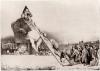
Fig. 3. Daumier, Honoré Victorin. "Gargantua". 1831.
https://discover.goldmarkart.com/daumier-robert-macaire/. Accessed 20 Mar. 2022.
"and like a fungus, living on the remains of a bygone life
sucking his life out of the dead leaves of greater life
than his own." (Lawrence, lines 25-27)
Honoré Victorin Daumier was specifically known for caricature and controversially speaking on social issues. This cartoon titled "Gargantua" specifically had him jailed for 6 months. Many of his works critique monarchy, social class, the justice system and more. This piece shows the elite quite literally feeding on the labor of the lower class. It creates a dark picture showing this larger than life individual being fed and kept alive by the lower class. Lawrence tries to lay out this irony. He shows the bourgeois as well-dressed, put together, and esteemed but then unravels their beastly selves. In lines 25-27, Lawrence shows how this consumption of life is handled. The bourgeois who are supposed to be pinnacles of life and society are living off of "dead leaves of greater life than his own." (Lawrence, lines 26-27). This picture and Lawrence's writing show how their is an evil-like quality to how the bourgeois maintain their power and status by having to eat up others labor and keep them in lowly positions.
Fig. 4. Daumier, Honoré Victorin. "The Past, the Present, the Future, plate 349". 1834.
https://www.artic.edu/artworks/21038/the-past-the-present-the-future-pl…. Accessed 19 Mar. 2022.
"Full of seething, wormy, hollow feelings
rather nasty--
How beastly the bourgeois is!" (Lawrence, lines 32-34)
Yet another caricature published by Daumier in 1834, "The Past, the Present, the Future, plate 349" was originally published to show the the current king's reaction to public opinion. This caricature ties in a lot from Lawrence's piece. You can see the expressions morph and change as time goes on. Much in the same way, Lawrence writes the bourgeois as pleasant but"let life face him with a new demand on his understanding and then watch him go soggy, like a wet meringue." (Lawrence, lines 14-16).
This piece shows that more than it meant to. The face sees that there is need other than its' own and it changes to look "rather nasty--" (Lawrence, lines 33). This wraps up a majority of the language within the piece. It covers the range of what the bourgeois tries to present itself as "Isn't he handsome? Isn't he healthy? Isn't he a fine specimen? Doesn't he look the fresh clean Englishman, outside?" (Lawrence, lines 5-6) but can't help from turning monstrous, soggy, angry, bitter, and cruel which all comes back to "How beastly the bourgeois isespecially the male of the species--" (Lawrence, lines 1-2).