
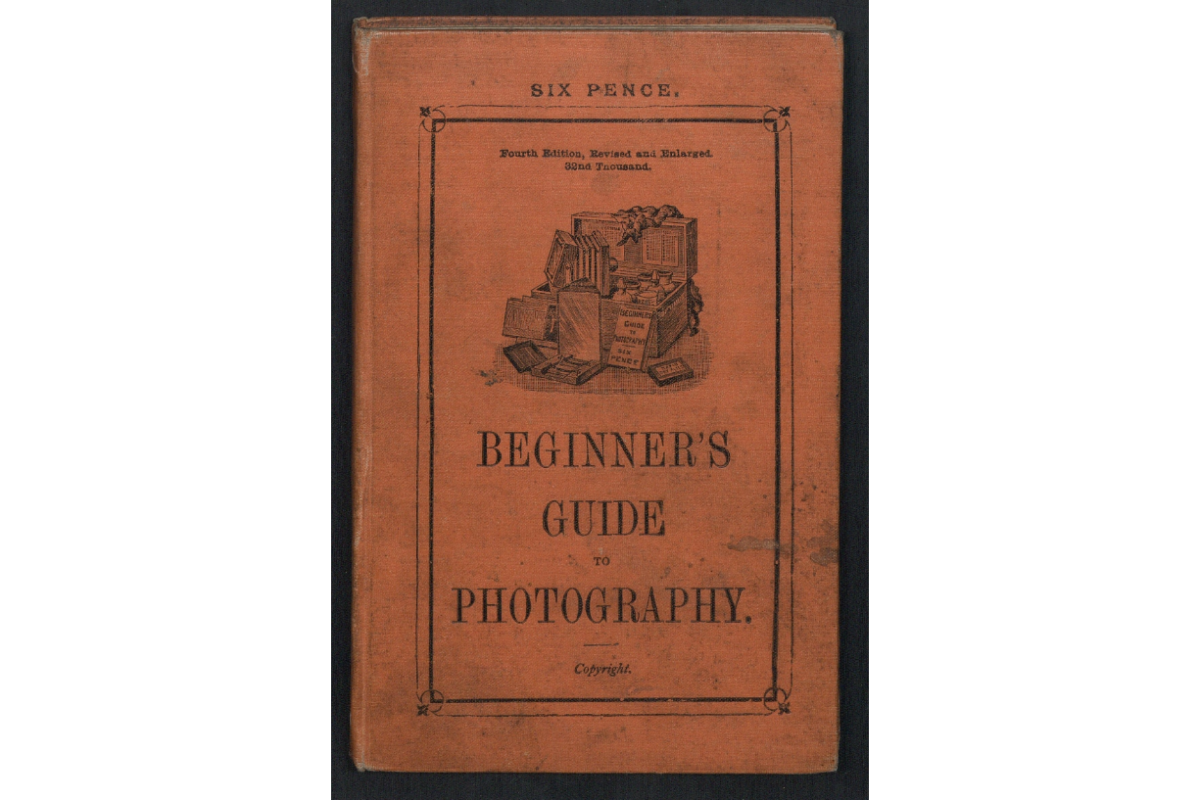

I own this book because of the prevalence of photography in my life. Due to the death of my late father, my sisters and I decided to open a photography studio in order to earn money to support ourselves. Even before the death of our father, we had access to a studio and knew the ins and outs of photography thanks to this book. Now that we are on our own, it is helpful to keep around in order to refresh our knowledge and is definitely an item one would expect any photographer to have, but it is also a nice keepsake to remember the time before our father’s passing. This book also strongly connects my sisters and I. Even though we do not get along at all times, it is more important than ever for us to maintain an amicable sibling bond. With our parents gone, my other sisters are the only family I have left, and the same goes for them. All of us going through the same situations with our photography business really helps us to keep a proper relationship, and this book embodies that. As uninteresting as it may sound, this book was simply purchased out of curiosity. There is little more reason for it outside of wanting to learn the basics of photography with my sisters. Thankfully it was a worthwhile purchase seeing as we are now professional photographers. While buying the book itself wasn’t necessarily prompted by anything, making sure that it is around is something that I take very seriously. It's obvious that it’s nice to have if any of us need to review the basics of photography, but it also serves as a reminder as to the situation we were in, and how we made the best of it through our newfound business.
Editorial Commentary: While it may not seem obvious on the surface, Gertrude owning this book actually gives a lot of commentary on her experiences with being a woman during this time period, specifically focusing on her and her sisters running a business during a period where it was very uncommon for a woman to do so. Especially in the context of the Victorian Age, the Lorimer sister’s business was a completely abnormal idea at first.This fact is very prevalent through relatives like Aunt Caroline, who were very apprehensive about the girl’s idea of opening a photography business. It went completely against the social norm and traditional ideas of the citizens of London. Even after the business was opened, the sisters were met with a plethora of different negative circumstances due to their gender. Many of their customers expected to pay less for their work compared to that of male photographers. Several times, the women had no choice but to take undesirable jobs, like the photographing of Lady Watergate, in order to make money. The women were even looked down upon for working with a customer unaccompanied. These and several other situations the girls went through during their business endeavor help to give a bit of an explanation of why it was uncommon, and almost frowned upon for women to become independent during the Victorian Era. Gertrude’s ownership and use of this book represent her attitude towards these gender roles. Her and her sisters use the book to have photography as a hobby, but eventually have the knowledge and resources to make it a full-time job. Even though it is made very apparent by many others that it may not be in her best interest to open a photography studio, her and her sisters push through and thrive in a world where the odds were completely against them.
Citations:
Dixon, Ella Hepworth. The Story of a Modern Woman. 1894. COVE, 2020.
The Bill Douglas Cinema Museum. “Beginners Guide to Photography.” Victorian Popular Culture, 2020, www-victorianpopularculture-amdigital-co-uk.proxy-remote.galib.uga.edu/Documents/Images/EXEBD_20935/0#Chapters.