
Journal Entry:
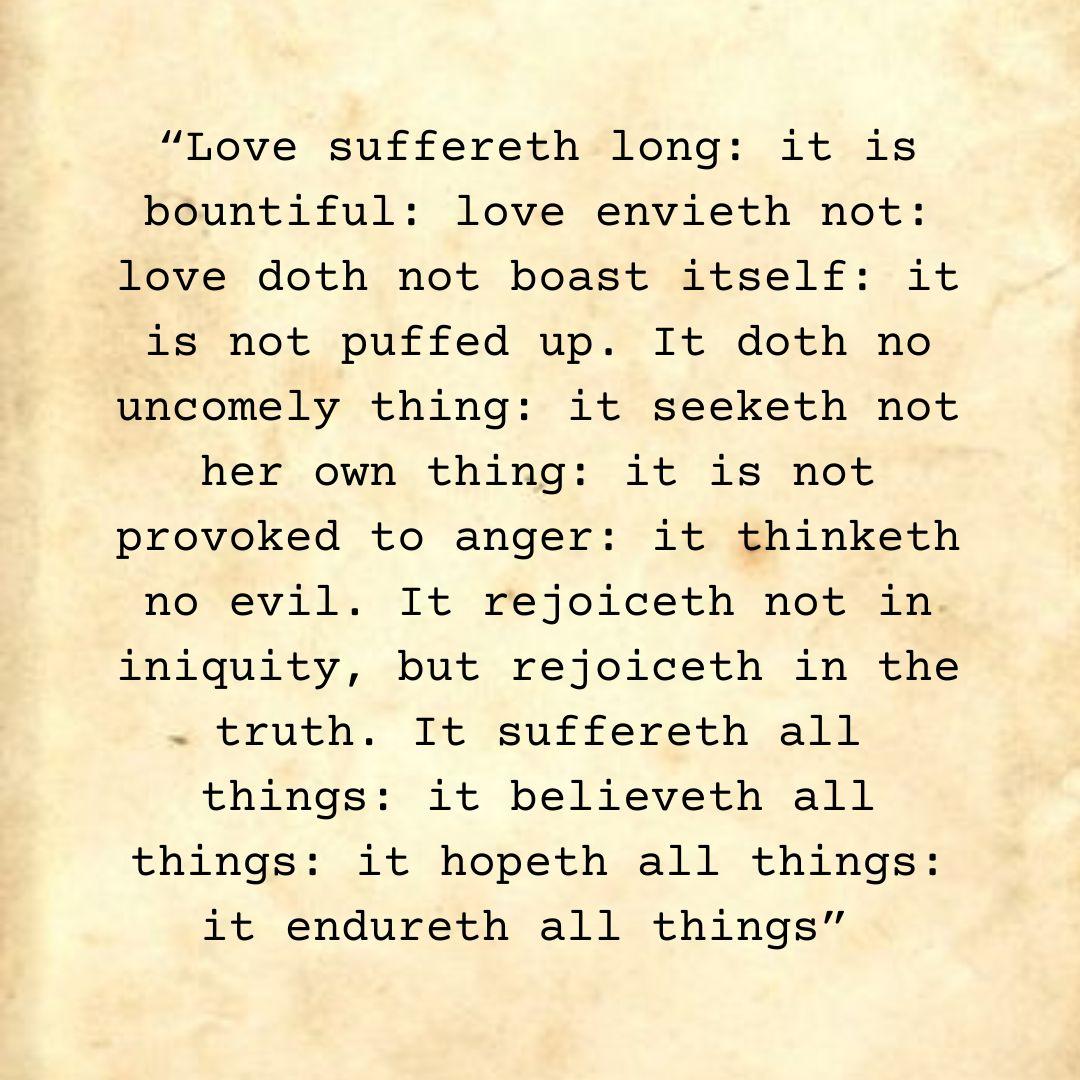
After the death of my father, I really struggled as the eldest sister. I wanted to be there for my sisters, but when I did, I felt like I was grieving on my own, all alone. My father's passing put so much pressure on me, on us. Pressure to be a good sister, a caretaker, and a leader when it seemed hopeless. I didn't understand the possibility of opening up, and because of this, I remained weak. It is not good for a woman to be sad, I would tell myself. A proper woman does not show her emotion but remains strong. I hated being strong. I felt as if the weight of the world was on my shoulders. We had no money. After living a life of fortune and stability, I no longer found myself in high society circles. I was pushed aside once again. I wouldn't let this phase me, however. I decided to love. I had faith before, but after death, I saw myself quietly growing in peace and relationship with the Lord. I asked him for a husband. Oh dear, I just wanted to feel safe. I feel as if society is running away from Christian values. I am worried about Phyllis. I don't know if she holds fast to these morals. I wish she would. I just want to have a family with a good reputation. I hope Phyllis doesn't tarnish this. I just desire love and faithfulness to rule our family and with Edward.
Editorial Commentary:
Christianity was a popular religion during the nineteenth century. The new aspects of the Victorian era, however, clashed with these Christian teachings. This is certainly seen in Fanny's writings as she is worried whether her family will be tarnished by the moral decisions they are making that go against Christian ideals. Frances Lormier seems to be a traditional woman who has unfortunately undergone hard times. All she wanted to do was to keep the reputation of her sisters in high regard. The 19th century also had a "crisis of faith", where many turned away from these Christian beliefs (Bradley). New lingo, customs, and actions were formed and it seemed as if society was leaning towards the wild side. This was partly due to scientific innovation, new philosophical thought, and new surging questions of tradition. This Victorian era saw a drastic change in the way women and men acted individually and together. Partners were having sex before marriage, women were getting into prostitution, and it seemed as if the world's dark influence grew stronger. Traditional Victorian women were flabbergasted and overall disgusted by these new actions, such as Fanny Lorimer. This often caused more of a riot when people were being restrained from true freedom. Finally, these traditionalists had to give up and remain to themselves. Christianity and religion in general were evident, but not as prevailing as Frances would want. This was a dramatic change from light to dark, as many saw it. Morals were lost and times had changed.
Bradley, Ian. Guardian News and Media. (2001, January 20). Comment: Face to faith. The Guardian. https://www.theguardian.com/world/2001/jan/20/religion.uk
With an introd. by Lloyd E. Berry. The Geneva Bible, a Facsimile of the 1560 Edition. Madison :University of Wisconsin Press, 15601969.