
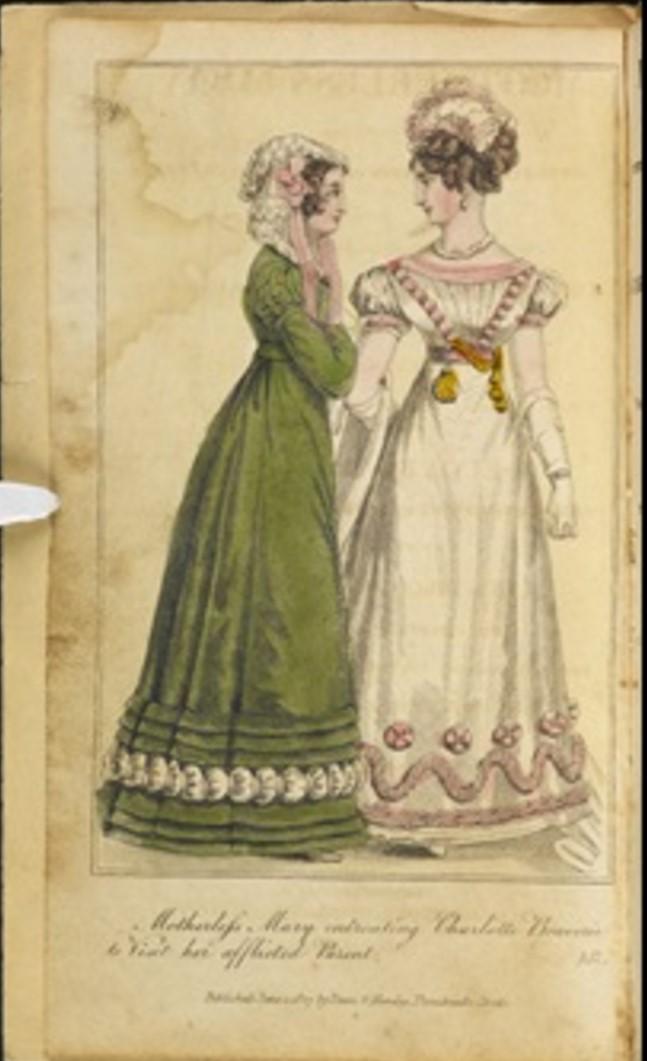
One day, while I was out shopping, I came across this book Called Motherless Mary. I had lots of time on my hands in-between photography jobs, so I figured that reading could be a good hobby to supplement the spare time in a way that was productive yet still enjoyable.I imagine others would expect me to have bought a book eventually, as I wished to be a writer myself before taking up photography. It would make sense for me to have an interest in literature as well. Looking back on that day, I am so glad that I ended up buying this book as it became one of my favorites. It outlines the life of a young orphan named Mary who goes through the trials of life and experiences many things like loneliness and overworking. The fact that both Mary and I were left without parents struck a chord with me, so I imagined that there would be things in the book that I could relate to personally. I’m sure my sisters can all relate to Mary’s tale in some form or fashion, but I feel this book especially speaks to me since I have been cast into the “motherly” role among my siblings. Despite me working with the people I love, more often than not it feels like I am on my own most of the time. It’s interesting to see the different ways that Mary deals with her issues and comparing her methods to mine. Reading Mary’s recount of her situation growing up on her own and experiencing things like loneliness and overworking, helped me immensely with dealing with the same issues.
Editor Commentary: While the book Gertrude is reading may seem to have nothing to do with gender, the fact that she is reading in the first place definitely relates to the topic at hand. It is common knowledge that there was a large increase in the amount and genres of new books and authors during the Victorian Era. Due to this newfound boom of literature, the literacy rate across all of Britain increased, including women. Unfortunately, the rise of literate women in a patriarchal society led to attempts to limit their access to reading. There were several attempts to make a standard of what things women were and weren’t allowed to read by the government. In her book, The Woman Reader, Kate Flint explains the arguments behind prohibiting women from reading certain books. She explains firstly, that certain books were believed to corrupt the mind of innocent women which would then lower their overall value as women and second, women did not have the emotional resistance to certain provocative texts. While these arguments seem completely outlandish by today’s standards, they were ingrained deeply in Victorian society at the time. Flint goes further to explain that the Renaissance Society believed that reading an inappropriate book would lead women sexually and morally astray, which contributes to the “fallen woman” trope commonly referenced in many texts from the time. Regardless of if Motherless Mary was allowed or not, the fact that Gertrude is actively reading goes to prove that women were becoming much more active in reading during this era.
Citations:
Dixon, Ella Hepworth. The Story of a Modern Woman. 1894. COVE, 2020.
Unknown Author. “Motherless Mary.” The British Library, 1827, www.bl.uk/collection-items/motherless-mary.
Flint, Kate. The Woman Reader, 1837-1914. Oxford: Oxford University Press, 1993.