
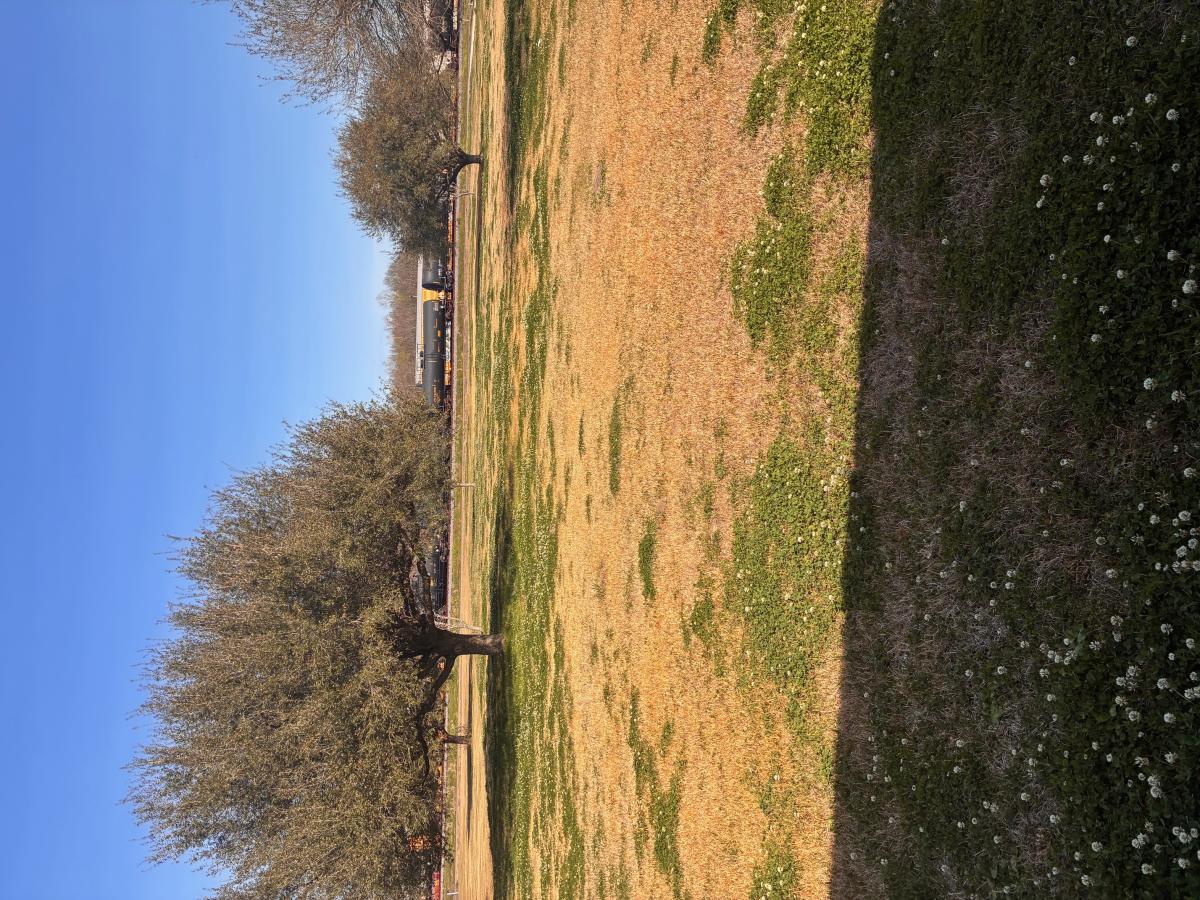
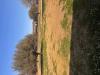
Innocent If an “innocent eye” is void of calculation, sorting, or classifying, then with my first photo, I tried to take as quick of a photo as possible, avoiding precise framing as much as possible. I don’t think I succeeded, as with my photo, the main subject in frame was a tree. If the photo has a subject, a figure centrally placed in the image’s frame, then I don’t believe that would constitute as a photo taken with an “innocent eye.” Would there even be a way to create a photo with an innocent eye? Andrews points out that no such thing exists, and I think the only way for that to be possible is if one were to take a purposefully blurry photo or accidentally snap a photo either in their pocket or accidentally in their hand.
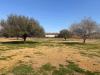
Constructed With image two, I attempted to set up my main figures to be the two trees that touch the left and right edges of the frame. While I wanted there to be some sense of symmetry between the two trees in the front, there was some asymmetry created with the tree on the right side being slightly farther out of frame than the tree on the left. Additionally, the third tree in the background also throws off the symmetry slightly since there isn’t another tree on the opposite side of the photo to balance out its appearance. Some things I wanted to highlight in the photo are the contrasts with grass patches. I wanted to step far enough away from the trees so that the viewer would see the dead grass that covered a good part of the foreground, and also the alive grass that is huddled beneath both trees. Both trees also are a bit symmetrical when it comes to their foliage. The tree on the left has plenty of leaves on it while the tree on the right is still dormant from the winter season.
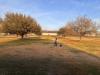
Argument The argument of my third photo is that the land serves both an aesthetic and functional purpose. The figures add context as to what purpose the land serves. The figure walking the dog would hint to the viewer that a house or place of residence is just out of frame. It shows that the land is a used space where people and pets can walk freely. It also serves as creating distance between the road and train tracks in the background. Since the figure may hint to ownership of the land, I believe viewers could also conclude that the aesthetic traits of the space were hand created by the owners of the land. In other words, the trees didn’t just grow there on their own, but were rather purposefully planted by the owners of the land.