
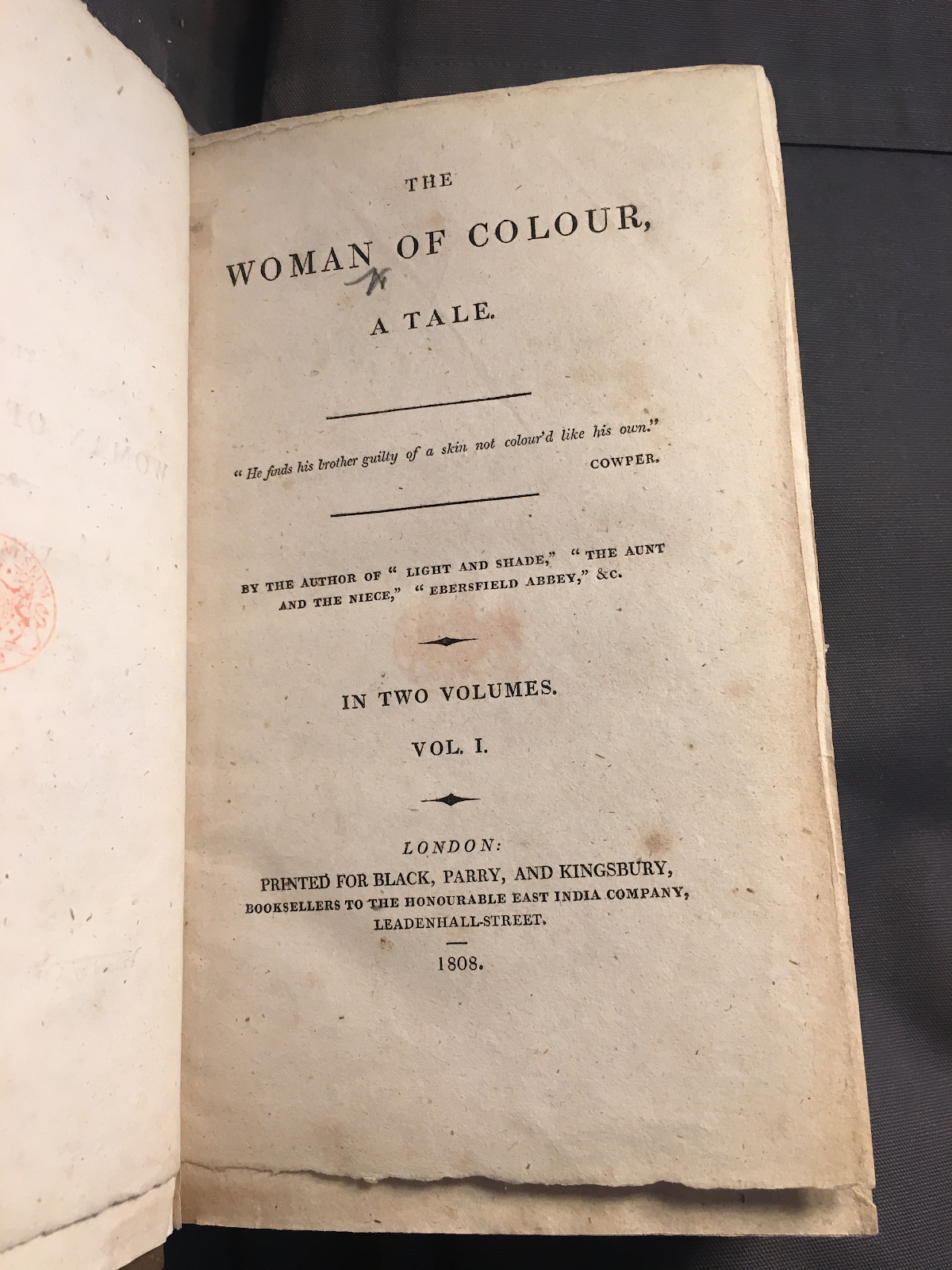
When looking at the impact that Western imperialism had on cultures, one word comes to mind: all-encompassing. Throughout history, we can see this idea of western expansion or journeys into "unoccupied" territories and these often come at the cost of dehumanizing those that are being overtaken by this expansion. Said points this out within his article when he states: “But positive ideas of this sort do more than validate “our” world. They also tend to devalue other worlds and, perhaps more significantly from a more retrospective point of view, they do not prevent or inhibit or give resistance to horrendously unattractive imperialist practices” (Said 81). For those who believed in these Western ideas pertaining to expansion and superiority, beliefs that other people could have a culture or a life that matched the importance of their own (white) one was impossible.
Seeing these ideas of imperialist effects through a first-hand perspective provides an interesting view into how widespread these beliefs are. For Olivia, she is immediately introduced to this belief. When meeting Mrs. Merton for the first time, she states "I believe I held out my hand... but I fancy its colour disgusted her, for she recoiled a few paces with a blended curtesy and shrug, and simpering, threw herself on a sofa" (71-72). For Mr. Merton, there was no hesitation to approach and embrace Olivia. There is a multitude of reasons that Mrs. Merton could hold this belief against Olivia. Said's argument helps the reader contextualize reasons that Mrs. Merton may have acted like this.