
Introduction
The gallery series will consist of Sarah Ellis’s The Women of England, Their Social Duties, and Domestic Habits and of Ashley Fetters’ Turn-of-the-Century Thinkers Weren’t Sure If Women Could Vote and Be Mothers at the Same Time. from Throughout time, women have dealt with many forms of oppression and hurtful societal norms that left them at the bottom of gender hierarchical structure of men compared to women. Some of these consist of oppression from men, conceived notions that women could not work and be a mother for the husband’s family at the same time, and power and voting struggles. However, society has set the standard and the norm so extremely throughout history, that women are less than men, that some women began to buy into these notions and concepts and fought change themselves. Notably, in The Women of England, Their Social Duties, and Domestic Habits, we see how Ellis disagreed with the changing concepts and thought women had to stay at home to be of use for the men. This concept helped men continue to enforce oppression and hurtful societal norms because, if even the women are saying it, then we should not change! In this gallery, I present four photos that represent this concept from the reading and around the nineteenth century. One photo will consist of how this is specifically shown happening in the piece and others will show other timeframes that relate to the external source and of concepts in the main source from the class. Each photo will be linked with a quotation from the text(s) and will be cited at the end of the gallery. I hope you find this gallery educational, helpful, and full of information, while being able to continue expanding your understandings of women oppression and what they have dealt with for all time.
Work Cited
Fetters, Ashley. Turn-of-the-Century Thinkers Weren’t Sure If Women Could Vote and Be Mothers at the Same Time. The Atlantic, June 12, 2019.
https://www.theatlantic.com/family/archive/2019/06/atlantic-suffrage-fa…;
Images in the Series
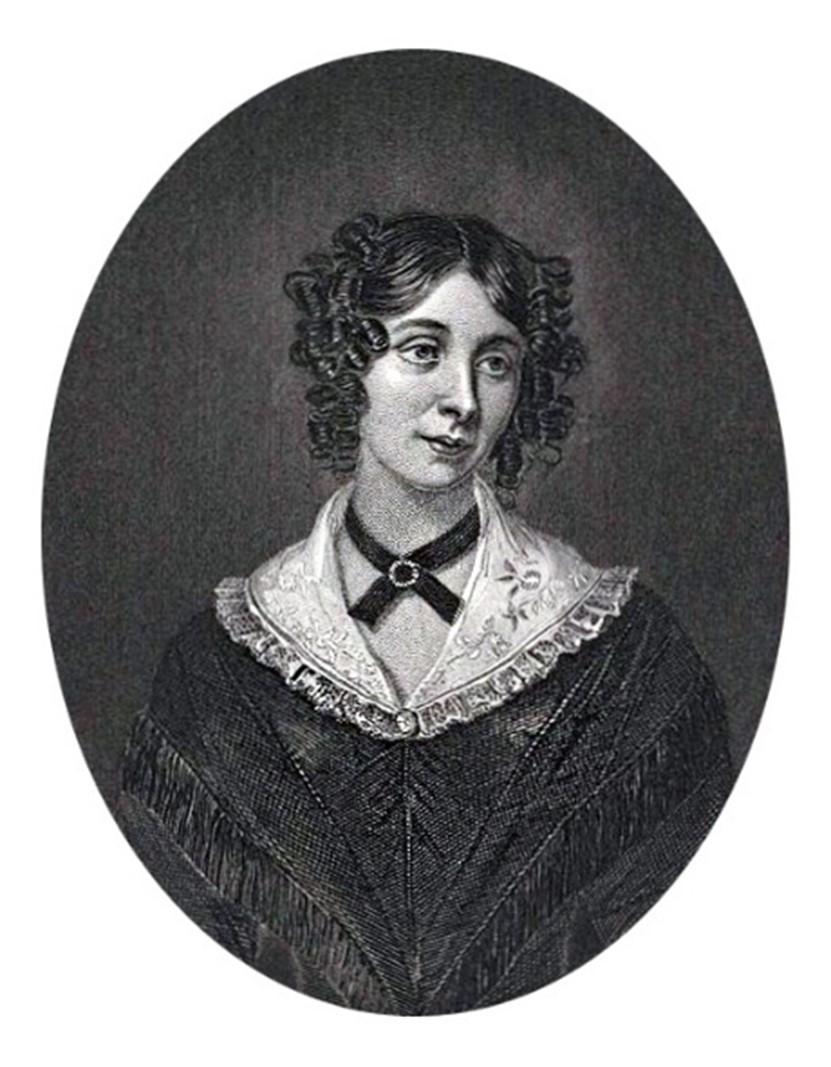
Figure 1. Portrait of Sarah Stickney Ellis.
Here we have a portrait of Sarah Stickney Ellis herself. This photo represents who she is and how she wished to be viewed and interpreted by others. The most notable aspect of her outfit is her clothing. She portrayed herself as the perfect stay-at-home wife and wanted others to believe this. We can see in the quote “I ought, perhaps, in strict propriety, to say what were their characteristics; because I would justify the obtrusiveness of a work like this, by first premising that the women of England are deteriorating in their moral character, and that false notions of refinement are rendering them less influential, less useful, and less happy than they were.” (p. 10) In this quote, we see how Ellis views the changing of women in society and proclaims that she is against this change. This thought process directly attacks womanly change in society and feminism. A part of this stance is shown in the picture, where she firmly portrays herself as one against change and as one who believes women belong in the house where they would be happy. This relates to the other source because it targets this notion that women would fear this change and the power to be able to vote. This also directs them to stay in the house.
Figure 2. Upper-Class Victorian Women in typical Attire for the Time.
The photo above portrays how upper-class women dressed during the Victorian Era, which is when Sarah Stickney Ellis wrote her short story. The photo shows how women, while still dressing nice and being presentable, are outside at their own free will doing what they want. This completely shows what Ellis believes women should not be doing. We see this in the quote, “No one can be farther than the writer of these pages from wishing to point out as objects of laudable emulation those domestic drudges, who, because of some affinity between culinary operations, and the natural tone and character of their own minds, prefer the kitchen to the drawing-room.” (p. 41) As we can see, while the author does not directly come after them, she refers to how it is blatantly obvious that they should just stay in the kitchen, instead of walking around at their own free will. We see this in Ashley Fetters piece in the quote “Over the course of nearly 7,000 words, Clark asserted that women in the United States didn’t know the difference between the roles of the state and federal legislative bodies that governed them, so busy were they with the demands of motherhood and household maintenance.” In the quote, we see how women do not know much about the country and politics, so they would rather stay in the household where the kitchen is instead of trying to learn. This relates to Ellis through how women got together and stayed in the household on their own. Because the societal norm affected these women to behave this way, they kept each other in this perpetuating cycle.
Figure 3. The Higher Education Level of 19th Century Great Britain Women.
This photo shows us one of the aspects about Great Britain women in the 19th century that did not exist in many others at the time due to oppression. In the quote, “The women of England, possessing the grand privilege of being better instructed than those of any other country, in the minutiæ of domestic comfort, have obtained a degree of importance in society far beyond what their unobtrusive virtues would appear to claim.” (p. 54), we see how Ellis credits Great Britain as already having the most advanced and educated women in the country. This argument helps to oppress women because it is saying how, since you already have more education than most in the world, you do not need anymore to serve your man well. This educational status appears in this photo where, arguable a middle to poor class women has access to books and is reading. In the piece by Fetters, they argue how women, while being more educated than previously throughout history, do not have the ability to have more rights like the decision to vote and should not learn because it will disrupt the power roles of the two genders. We see this in the quote, “Women’s sphere of influence was in the realm of the home and family, rather than in public affairs, many argued. Extending voting rights to—or, as these authors described it, imposing voting duties on—women could upset the delicate balance of the separate powers of the sexes.”
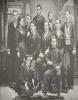
Figure 4. Graduating Class of 1893 from the College of Medicine.
In the photo, we see the graduating class of 1893 from the college of medicine. As we can see, it is all men and no women. According to Ellis, increasing the level of intellect in women will not be helpful to society, which reinforces women to stay in the household and not seek more. We see this in the quote, “Will an increase of intellectual attainments, or a higher style of accomplishments, effect this purpose? Will the common-place frivolities of morning calls, or an interminable range of superficial reading, enable them to assist their brothers, their husbands, or their sons in becoming happier and better men? No: let the aspect of society be what it may, man is a social being, and beneath the hard surface he puts on, to fit him for the wear and tear of every day, he has a heart as true to the kindly affections of our nature, as that of woman—as true, though not as suddenly awakened to every pressing call.” (p. 58) In the piece by Fetters, they argue that it is more complicating than that. They say that their lack of intelligence is a reflection of how society treats women. They also say how the poverty of women contributes to this lack of education and understanding of things. We see this in the quote, “She discovered that poor women, who worked and didn’t have hired help taking care of their home or children, lacked even the time to vote, let alone the resources to become familiar enough with the issues to vote informedly.”