
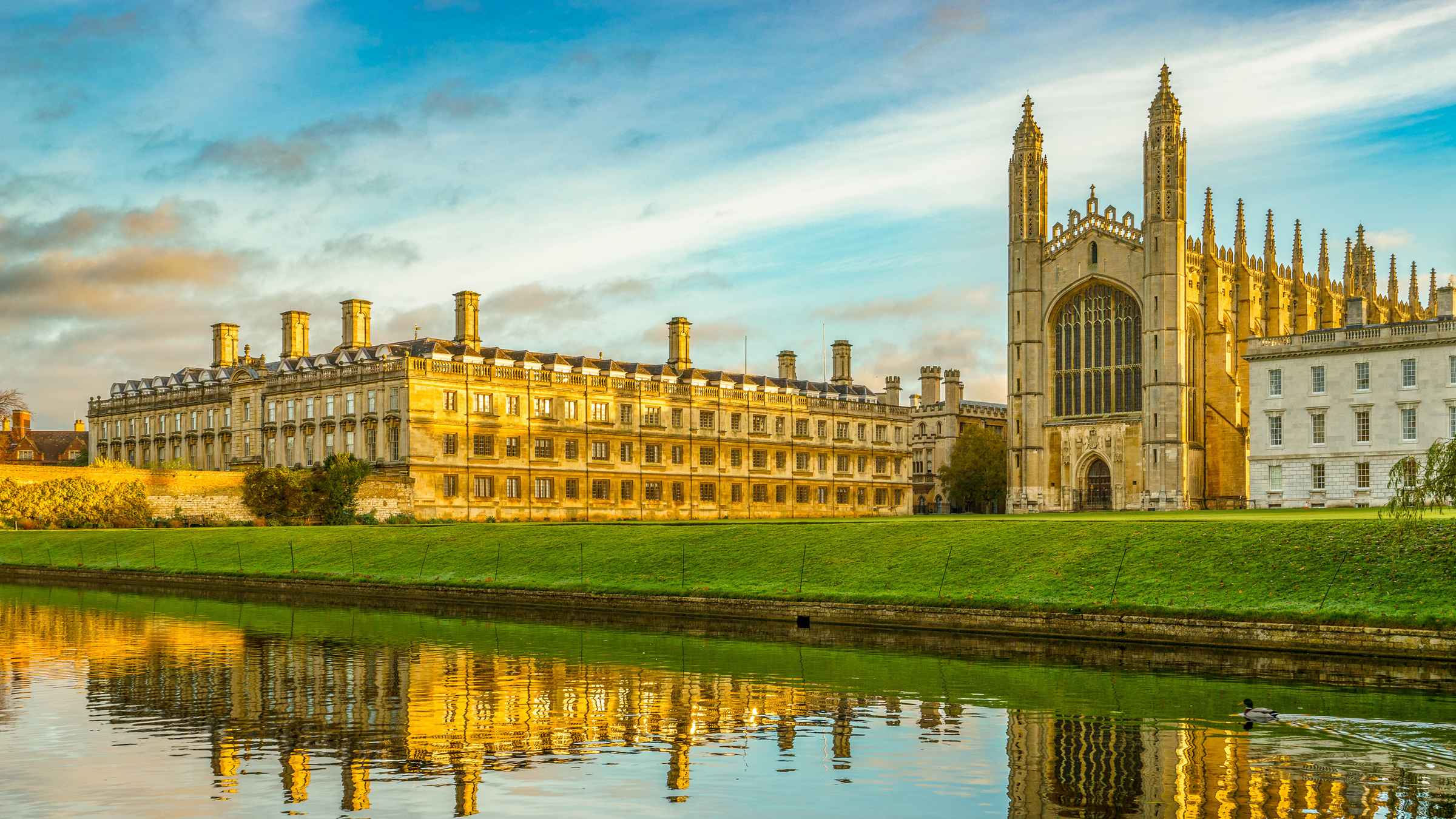
When Tsitsi Dangarembga was a toddler, her family moved from South Rhodesia, present-day Zimbabwe, to London so that her parents could pursue the benefits of higher education that London offered (George et al. 309). During her time in London, Dangarembga learned English, and later on in Cambridge, she learned the value of education, and about the racial and gendered divide in educational settings. This gave Dangarembga an exterior perspective of both South Rhodesia and the Western world which prompted the creation of Nervous Conditions to shine a light on her native cultures’ perspective of European education versus cultural values, during a period of civil war for freedom from colonization.
Dangarembga’s stay in London is important to Nervous Conditions as her experiences give particular insight to Babamukuru’s family structure, and the differences between life in London versus life in the countryside of Rhodesia. Dangarembga could be compared to Nyasha in that she was the child of educated Zimbabwean parents who was encouraged to pursue her own education. But Dangarembga also compares to Tambu through her admiration for her native culture. Both perspectives show Dangarembga’s personal theory that the desire for liberation, “has been a problem for some young women of my generation who needed some kind of liberating theory to guide us, and then it was good, at that time, to have the Western theories there” (George et. al. 315). This dual perspective, that aligns with both main female characters of the novel, in key ways, gives Dangarembga the necessary information to display both the educated and the native perspectives of South Rhodesia in the mid-1900’s.
Works Cited
George, Rosemary Marangoly, Scott, Helen, and Tsitsi Dangarembga. “An Interview with Tsitsi Dangarembga.” NOVEL: A Forum on Fiction, 26.3 (1993), 309–19. https://doi.org/10.2307/1345839.