
Introduction
Christina Rossetti’s “Goblin Market” introduces various themes about women’s sexuality and the sexual oppression of women. Her excellent storytelling and writing paint a world where goblins prey on young women in hopes of getting them to eat various fruits. The use of a mythical creates the extended metaphor for men’s mistreatment of women throughout the short story. Laura, one of the main characters who willingly eat the goblin’s fruits, demonstrates the sexual oppression of women through her attempts to get back to the goblins. She willingly cuts her own hair to give to the goblins, which is often interpreted as giving up her virginity or consenting to sexual acts, and when she could not return to them she “sat up in a passionate yearning, / And gnashed her teeth for baulked desire, and wept / As if her heart would break” (266-268). Laura’s internal struggle brings up the question of women in regards to sexual oppression and the backlash that they faced when expressing sexual desire.
Sex has always been a taboo subject for society, especially in regards to women. Gayle Rubin, an American cultural anthropologist, expresses her beliefs about sex and society in her essay “Thinking Sex: Notes for a Radical Theory of the Politics of Sexuality”. She writes that “the realm of sexuality also has its own internal politics, inequities, and modes of oppression [...] They are imbued with conflicts of interest and political maneuver, both deliberate and incidental. In that sense, sex is always political. But there are also historical periods in which sexuality is more sharply contested and more overtly politicized. In such periods, the domain of erotic life is, in effect, renegotiated” (143). This oppression and political manipulation of sex often have a heavier weight on women, especially in historical time periods. Women are more often chastised for their sexual desires than men, resulting in a sexual power imbalance between the two genders. This also results in the scandal and controversy that surrounds women’s sexuality and expression.
This exhibit aims to focus on the progression of women’s sexual expression in art media and the controversy that follows. Each of these four images was surrounded by a level of shock and outrage by viewers. Specifically, many viewers were upset about the lack of shame or conviction that each image holds along with the increasing level of pride and confidence in each of the pieces. Similar to Laura from “Goblin Market”, each of the artists was criticized and rebuked for their bold expression of sexuality and sexual desire. Click through the exhibit to view how society’s perception of women gradually changes from being perceived as a man’s obedient possession to an independent sexual being with the same agency as their male counterparts. Likewise, each image in the exhibit will demonstrate not only an increase in the surrounding controversy but also an increase in the level of pride each of the women exudes to the viewer.
Works Cited
Rossetti, Christina. “Goblin Market.” Cove Studio , https://studio.covecollective.org/anthologies/sp22-eng-l302-anthology/d…;
Rubin, Gayle S. “Thinking Sex: Notes for a Radical Theory of the Politics of Sexuality.” 1984, p. 143., https://sites.middlebury.edu/sexandsociety/files/2015/01/Rubin-Thinking…. Accessed 6 Mar. 2022.
Images in the Series
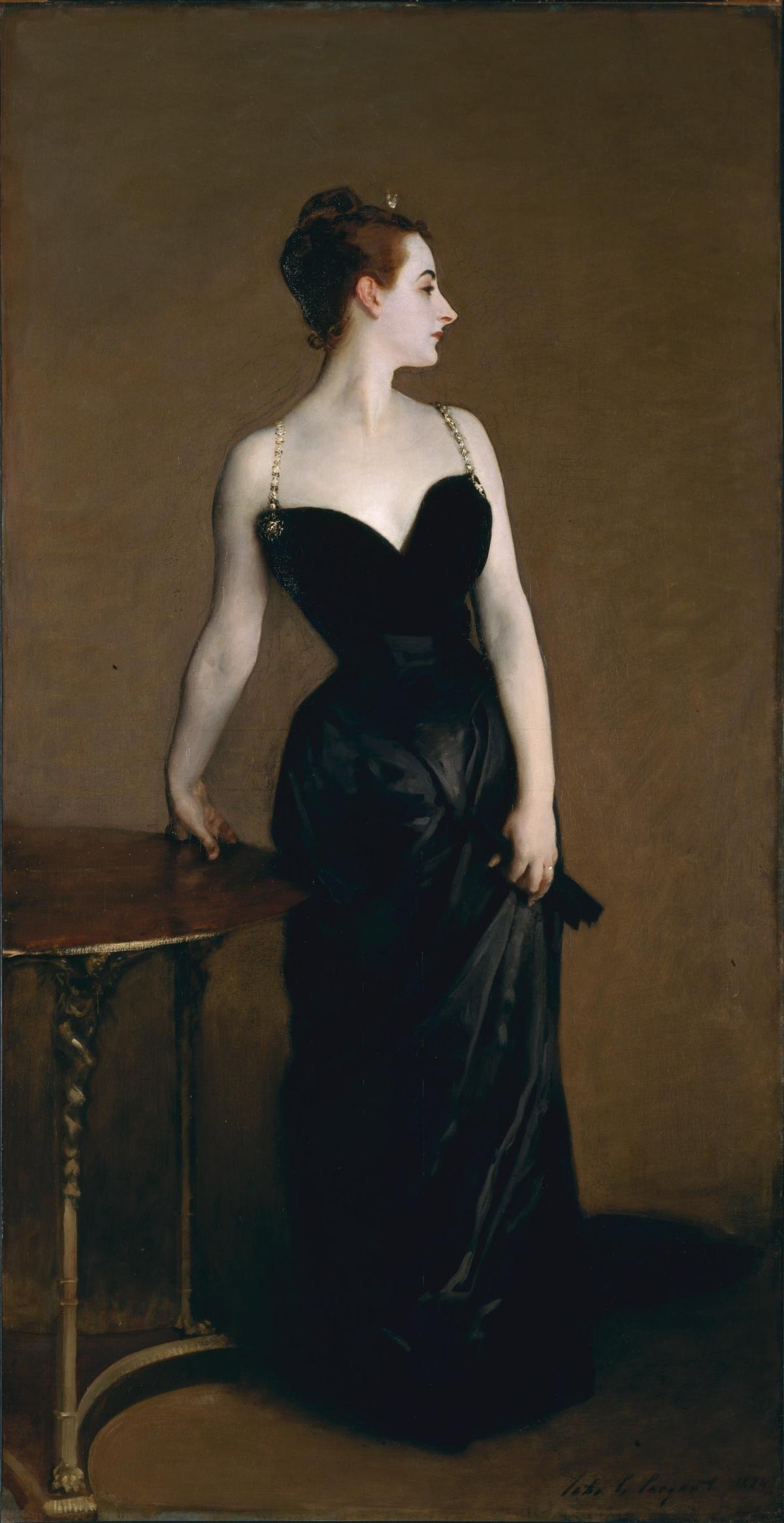
Fig. 1. Sargent, John Singer. “Portrait of Madame X.” Madame X (Madame Pierre Gautreau), Met Museum, 1884, https://www.metmuseum.org/art/collection/search/12127.
This painting was completed in 1884. There was a lot of backlash to this portrait, and it was considered a scandal in society. Many were shocked by the woman’s arrogant demeanor, the daringly bare shoulders and collarbones, and the dress that was considered too suggestive for the time period. The original painting showed the right strap of the dress to have slipped off of the model’s shoulder, which only further angered viewers. The contrast of the pale skin and the dark dress, along with her haughty expression, contributed to the outrage. Additionally, the woman who posed for the picture, Madame Pierre Gautreau, was criticized by society. She was ridiculed and condemned to have encouraged an immoral lifestyle and was forced to retire from society for a time before making another appearance. This image connects to “Goblin Market” with the way that Laura was also shut out of society after her encounter with the goblins. Madame X demonstrates the way women in society were starting to not fit in with men’s preconceived notions of themselves through the media.
Fig 2. Manet, Edouard. “Olympia.” The Controversy Behind Edouard Manet’s Olympia Masterpiece, Widewalls, 1863, https://www.widewalls.ch/magazine/edouard-manet-olympia.
This painting was completed in 1863. The image shows a woman lying naked on a bed while a servant or maid offers her flowers. This image was also known to be quite a scandal during its time period; While women were often painted nude, Manet depicts a prostitute. Prostitutes were quite a touchy and taboo subject and Manet was a very famous painter, so this painting caused quite an outrage when the public viewed it. The way that the woman is looking at the viewer also gives the impression that the woman is not ashamed of her position of laying nude, and she seems relatively unbothered. The objections to this painting had more to do with the realism of the subject and her piercing gaze rather than her nudity, and many people were shocked at the normality of the situation pictured. This painting was criticized for the expression of sexuality, just as Laura was chastised for her self-expression by her sister Lizzie. Olympia is an excellent example of the push against female sexual agency and the controversy that stems from it.
Fig 3. Picasso, Pablo. Les Demoiselles D'avignon. Museum of Modern Art, 1907, https://www.moma.org/collection/works/79766.
This painting was completed in 1907. The image shows five women who are also prostitutes. If that was not enough to cause a scandal, added to the fact that they are all nude, the women are unapologetically confident. They are all posing in a way that does not exude shame or embarrassment, but rather shows unmistakable pride. Their positions happily show off their bodies, with one woman in a squatting position and another raising her arms to show off her exposed chest. While the picture is not explicit or realistic with the way the bodies are painted, the shock at seeing them posed in such a way nonetheless rendered audiences speechless. Society was completely caught off guard with how unabashed these women were depicted, and the response was anything but pleasant. Women, and specifically prostitutes, had scarcely (if ever been) shown with such confidence and pride to the public. Furthermore, women have scarcely even been shown to have any sexual desire of their own and not at the liberty of a man; Laura’s character from “Goblin Market” is another scarce example of the expression of sexuality and desire.
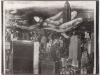
Fig 4. Steckel, Anita. Giant Woman on Empire State. Brooklyn Museum, 1972, https://www.brooklynmuseum.org/eascfa/about/feminist_art_base/anita-ste…;
This image was created in 1972. Steckel painted the image of the woman over a photograph of the New York skyline for her Giant Woman exhibition series, an opposition to the phrase “little women”. The image shows a nude woman riding the Empire State Building and reaching out across the city. The woman appears to be claiming her power with her wide gesture over the city and her confident expression. When Steckel’s series first debuted, many people were shocked by the paintings she did over timeless pictures. Many called it a desecration of the photos and were disgusted by the fact that she chose to paint naked women over them and pose them in such suggestive positions. Steckel created a series of images to make a public statement about feminism and women’s sexuality. This piece relates to Laura and her lack of shame for her sexual desires. Both the women in the picture and Laura were able to exude a sense of contentment in the way they express their sexuality.