
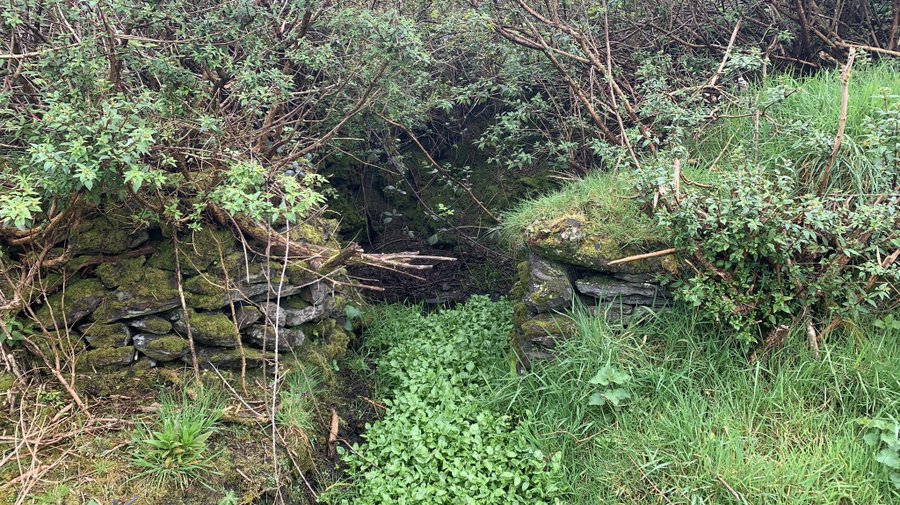
Hedge schools were developed in the early 17th century shortly after the Penal Code was enacted in Ireland. The hedge schools, which were the successors of the then extinct Bardic schools, were made as an attempt to teach Irish culture and literature to the next generation and freely practice Catholicism. Due to the material taught being illegal, and the fact that these schools had no funding, they were often set up in community members' homes or barns, or if the weather permitted it, outdoors in the shelter of a hedgerow or tree. During the 19th century these schools wouldn't so much as vanish, but become more established in their rural communities.
The following article by Ragged University highlights some key themes of P.J. Dowling's 'The Hedge Schools of Ireland.' This article goes over the key events of the hedge schools' history, including some insight into the Bardic Schools and their influence in the subject matter later taught in the hedge schools. Likewise, the article includes several first person accounts of the hedge schools that gives insight into what the experience was like as a student and as a headmaster.