
Second Primary Source
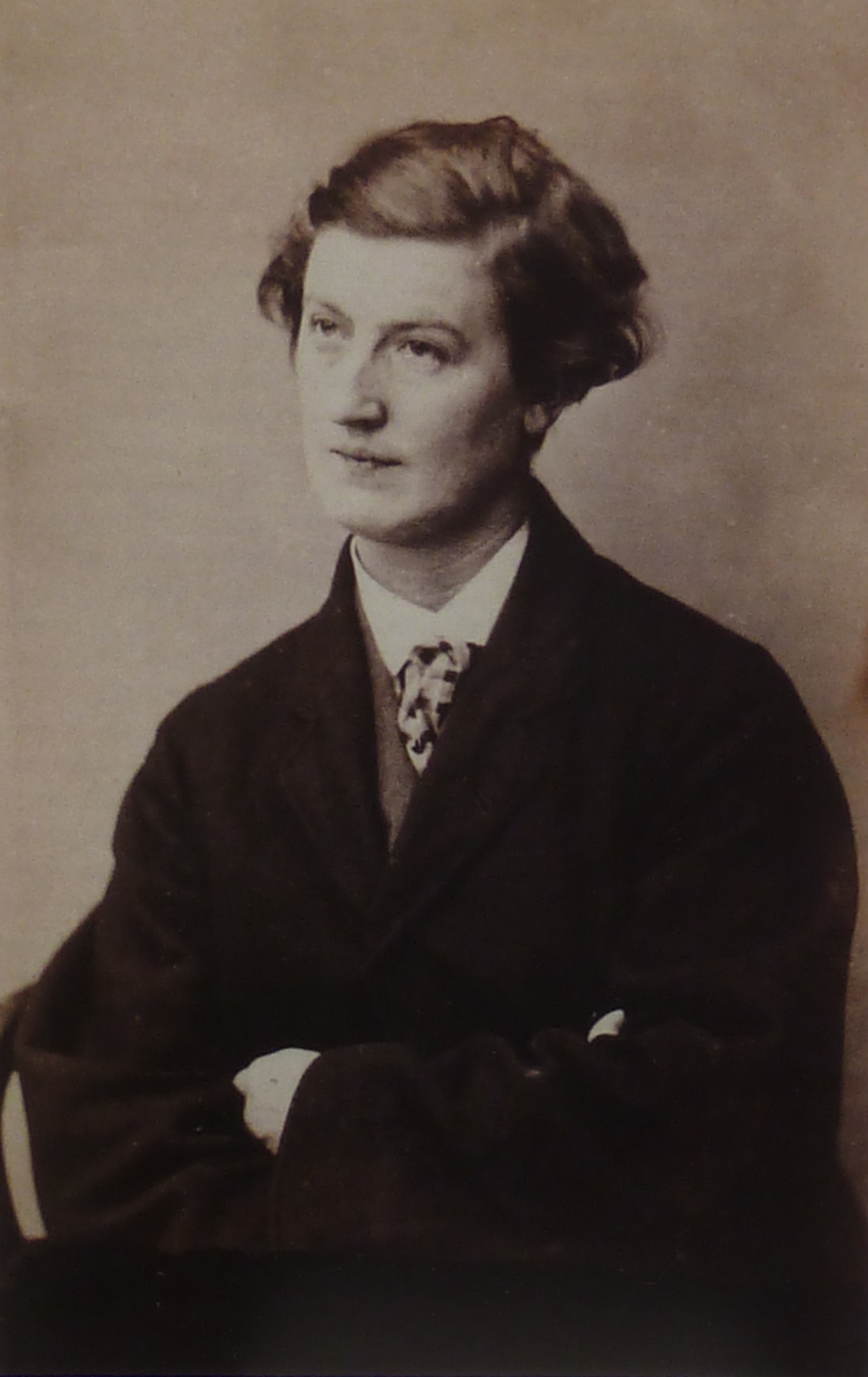
“Class and Gender in Victorian England: The Diaries of Arthur J. Munby and Hannah Cullwick” by Leonore Davidoff details two Victorian diaries that were found untouched until 1950 (Davidoff 101).
-Hannah Cullwick
-Arthur Munby
These two diaries were extensively kept by their owners
-daily entries
-over one million words total (Davidoff 101).
MUNBY
Munby came from a family of six children, his father a lawyer.
“He became a barrister despite his distaste for the law, probably in deference to his father and his position as eldest son” (Davidoff 102).
Munby kept his diary a way of figuring himself out in the era of the ideal male. This diary also accounts for how the ideal notion impacted who Munby desired to be. He figured this out specifically through studying the other sex.
“A. J. Munby’s avocation (and private obsession) in making encounters with, observing and collecting information on, working girls and women” (Davidoff 101).
Munby used his privelge to make women do whateve he wanted. Sometimes he paid them, othertimes he simply demanded and they had no choice due to the unbalanced gender roles.
“Munby does not acknowledge that this quality he so much admires was at least partly a result of his position as a dominating middle-class man, who for sixpence could feel a girl’s palm and for a shilling could take her to a photographer to have her picture taken in whatever pose he chose to put her in” (Davidoff 105).
Munby’s obsession with women, specifically working women, which was a new progression for the female gender in this era, revealed the traits and expectations of what it meant to be a male in this time. Davidoff writes that Munby was
“using the diary to construct a meaningful identity” (Davidoff 101).
This reveals that the identity placed on men was leaving them unfulfilled, that it was teaching them to be one way and not truely themselves. Munby was leveraging off of Cullwicks unbalanced gender role in order to fulfill the notion of the ideal Victorian male, which stuck him a cycle of toxicity.
CULLWICK
Hannah Cullwick came from a poor family. She began working at a very early age.
“Hannah learned at a very early age that her world was made up of powerful middle-class and upper-class people and that only her strength to labor gave her a footing in the world” (Davidoff 107).
Cullwick provides accounts of men making sexual passes at her, as well as attempting to molest and even rape her, while she was bouncing around jobs.
“She learned early in life that strength of body and personality were her chief resources for both work and self-protection” (Davidoff 108).
The toxic masculinity, or hypermasculinity, theme of dominance, through physical, financial, and societal class, remained reinforced in Munby's life. Cullwick and Munby met and eventually wed.
Munby forced Cullwick to call him by the nickname ‘massa’ [title associated with African-American slave owners] as well as “wear a leather strap around her wrist and a chained collar with lock around her neck to which Munby held the key. He particularly enjoyed seeing her face and arms blackened—in his phrase, “in her dirt”” (Davidoff 114).
Cullwick had no choice but to obey Munby. Not only was she considered his property by being his wife, but he was also her provider for physical shelter and finances.
By reading real accounts of a Victorian male and female, through Cullwick and Munby, it reveals a cycle of toxic masculinity that was created as a result of the ideal Victorian males leveraging unbalanced gender roles.