
Structures of Confinement: Power and Problems of Male Identity
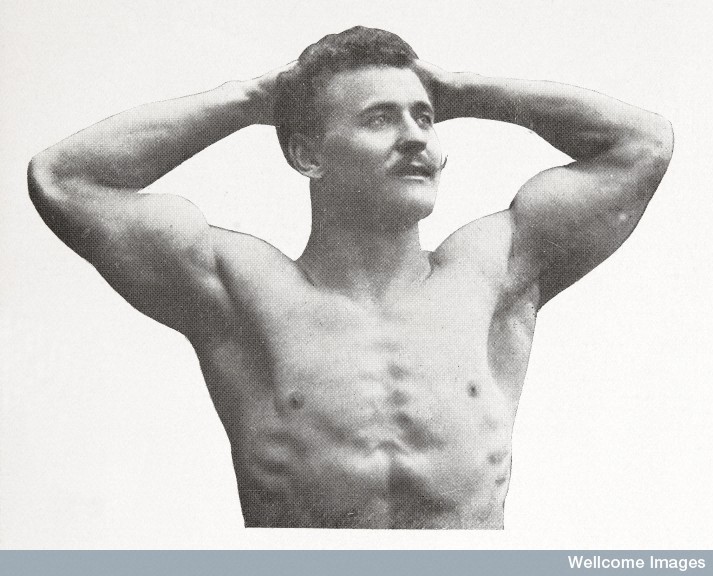
This article takes a look at the ways in which unrealistic and unhealthy gender roles for men became confining, as well as how the cycle of toxicity began with men themselves.
The importance of “work” imposed new pressures on especially the middle-class man: “This pressure was amplified by the role that hard work played in constructions of middle-class masculinity. The modern man was expected to be entrepreneurial, hardworking, and above all, productive" (142).
A “proper” and “masculine” man in the 19th century was a confusing ideal to aspire to due to the conflicting messages sent from the capitalist workforce and the greater, family-oriented society. “Moreover, the technologies and infrastructures of industrial capitalism were bound up with complex ideological judgements about modern life and labour, which in turn fed into conflicting understandings of masculine selfhood” (139).
“…the impositions of modernity (overwork, overstimulation, the pressures of trade and commerce) and the social and labour expectations engendered by commercial expansion affected [middle-class men] most keenly" (139).
This system that they created gave birth to the toxic belief surrounding femininine characteristics: “Nervous illness brought men perilously close to the passivity and unfettered emotion usually associated with the feminine, and so threatened ideological distinctions of gender" (144).
Toxicity was thus created through the male-dominated sectors of finances, economy, and capitalism without their knowing it. The system they imposed upon themselves became their downfall; the reason for their power became its greatst crux, and “...the normal and the pathological of Victorian masculinity were inextricably intertwined” (145).