Access and Info for Institutional Subscribers

Home
Toggle menu

  • Home
  • Editions
  • Images
    • Exhibits
    • Images
  • Teaching
    • Articles
    • Teacher Resources
  • How To
  • About COVE
    • Constitution
    • Board
    • Supporting Institutions
    • Talks / Articles
    • FAQ
    • Testimonials


COVE Gallery


Displaying 651 - 700 of 3288 images
Search for all or part of a title
View vetted and/or unvetted images
Search for an artist, photographer, etc. Not all images have artist information.

Not vetted

Political

Political and Social Advocacy

Revitalization of Neighborhoods

Inclusion in Workforce

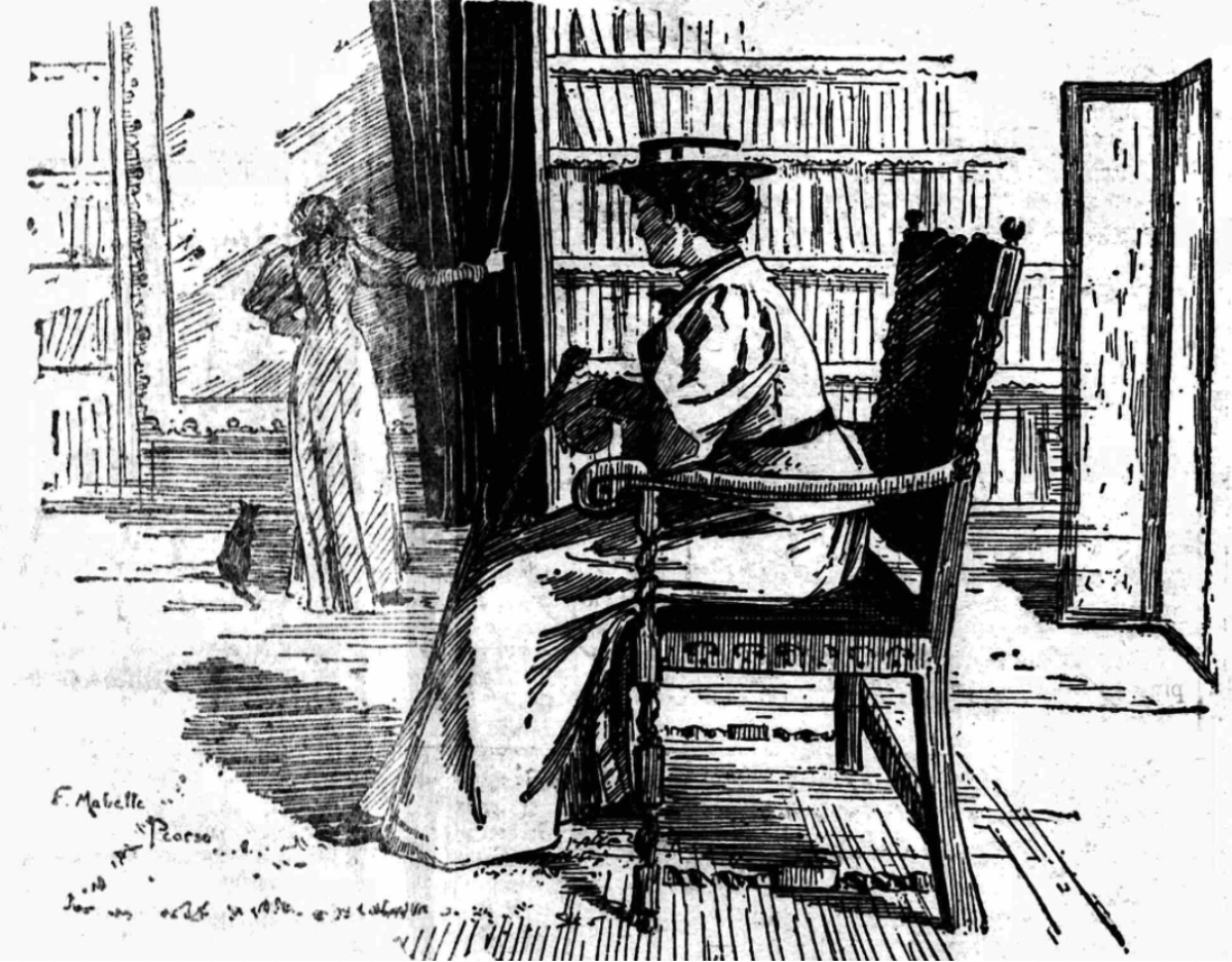
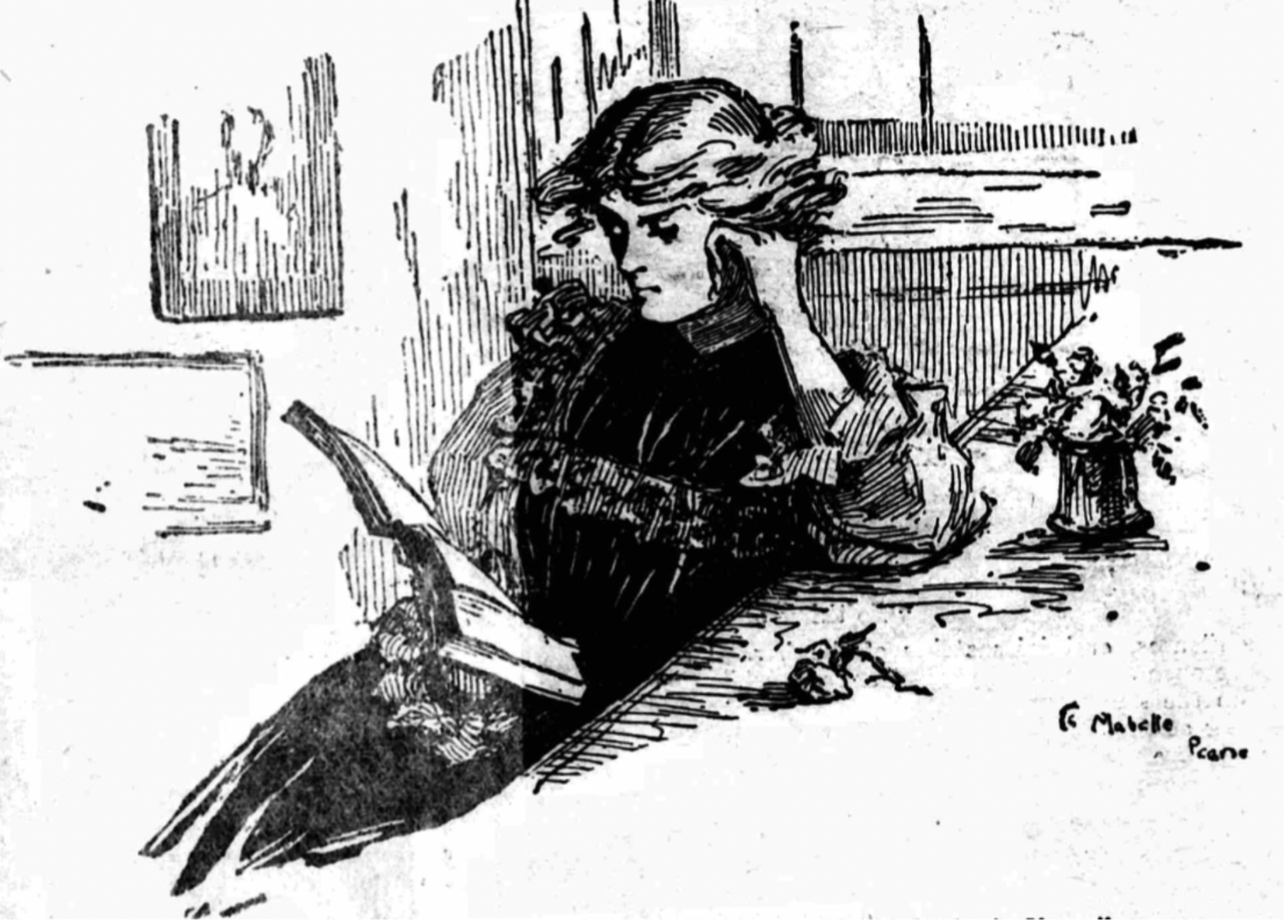
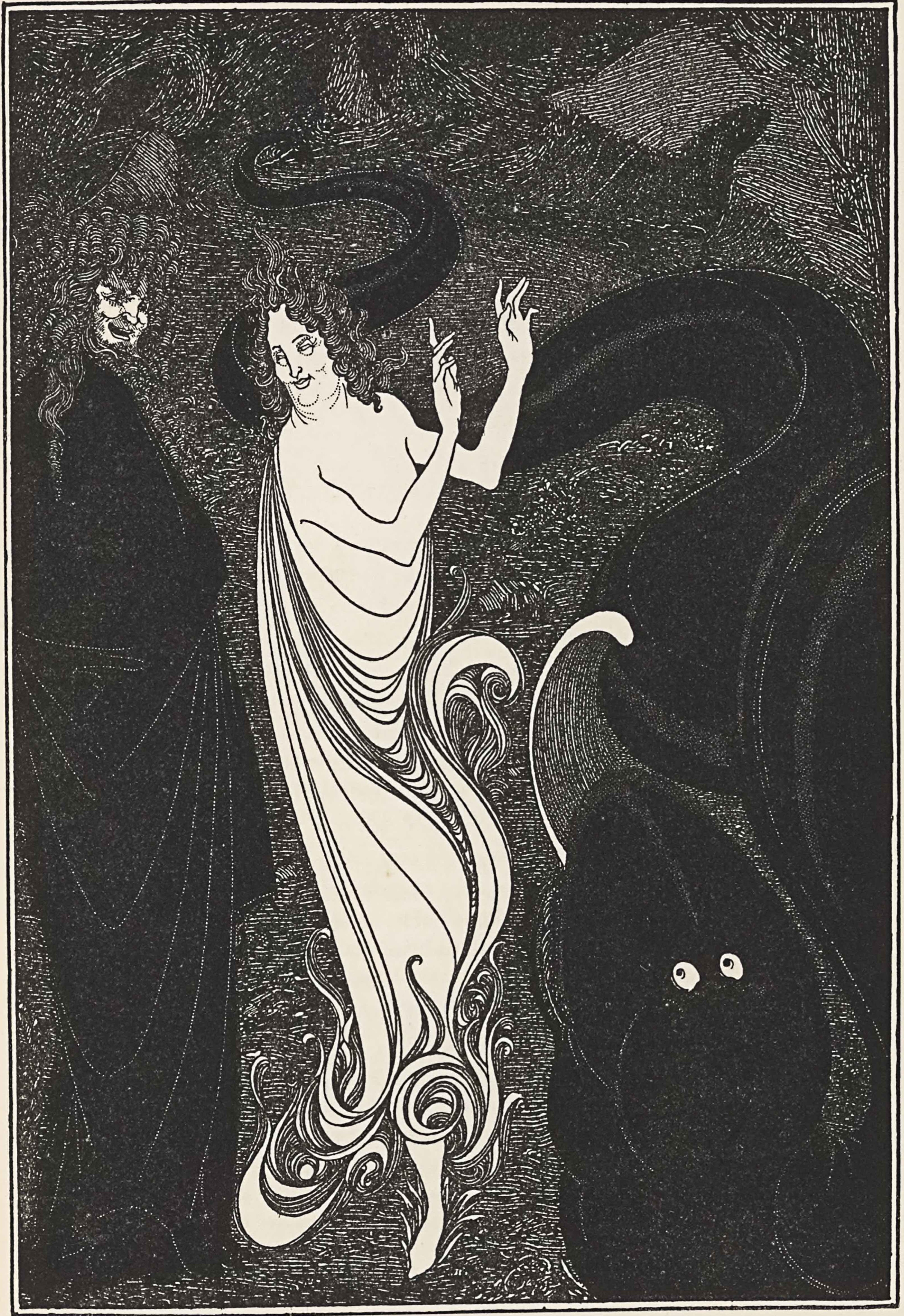
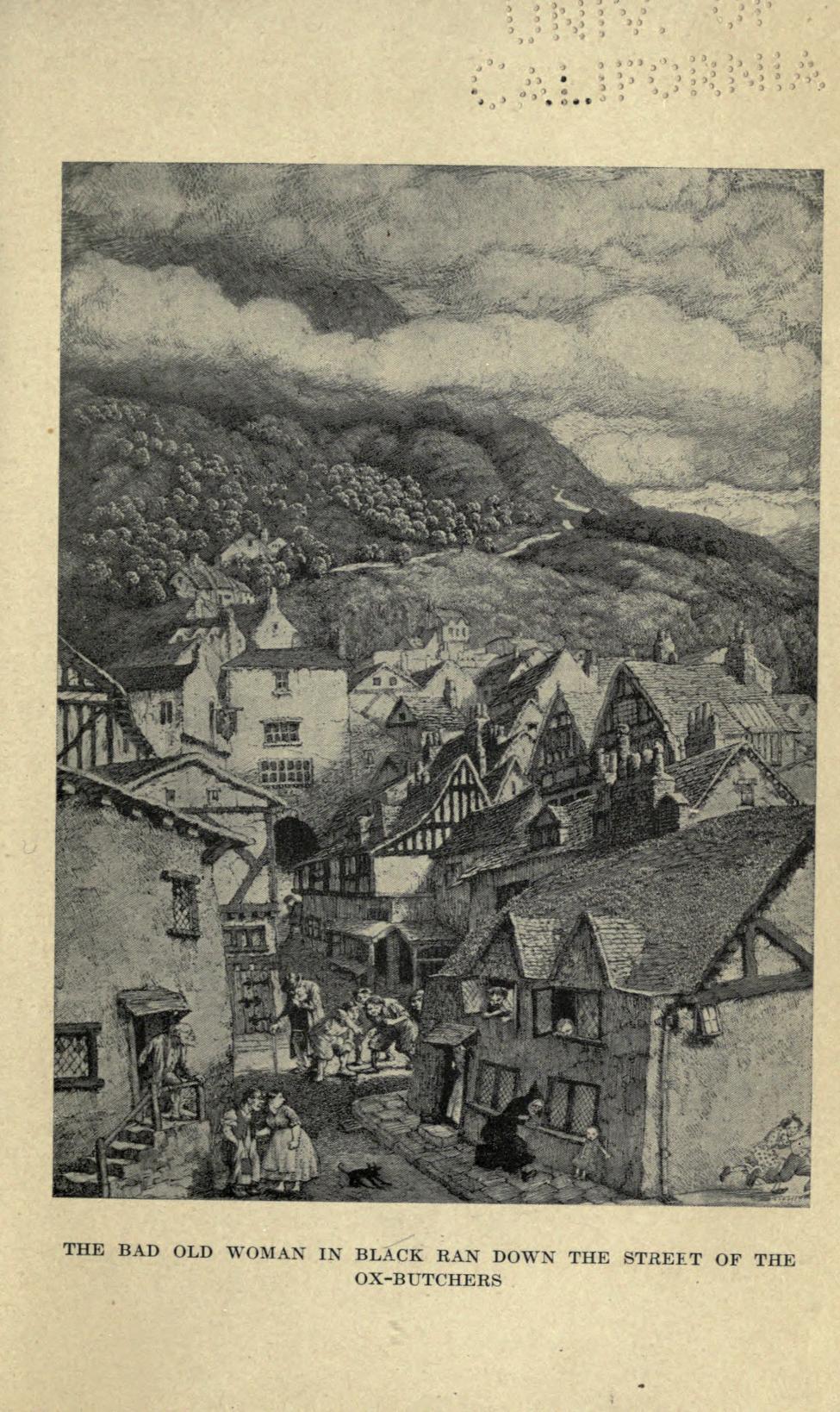
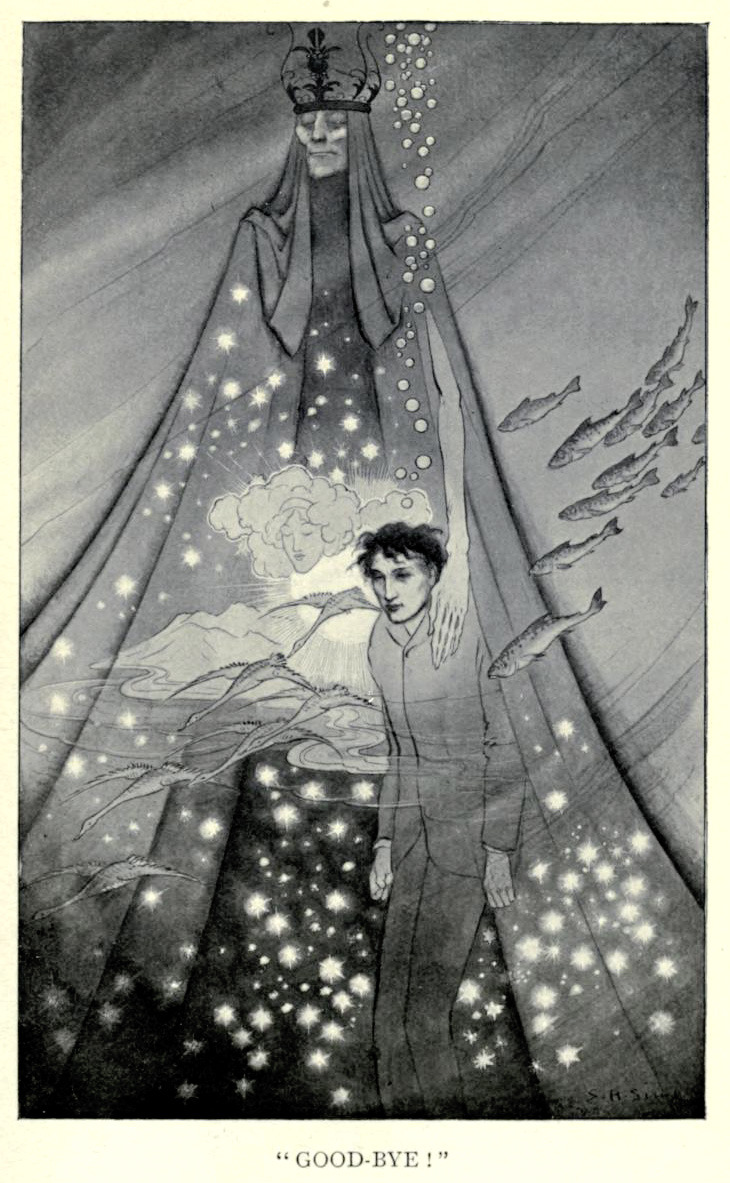
The Quest of the Oof-Bird

1897

Educational Achievments

Population Growth and Demographic Shifts

First Submarine Innovation

New Jersey Entrepreneurship and Innovations

Italian Festival

Cultural Celebrations and Culinary Contributions Across New Jersey

Immigrant Taxes & Spending Power

Immigrants as Economic Drivers in New Jersey

circa. 2022

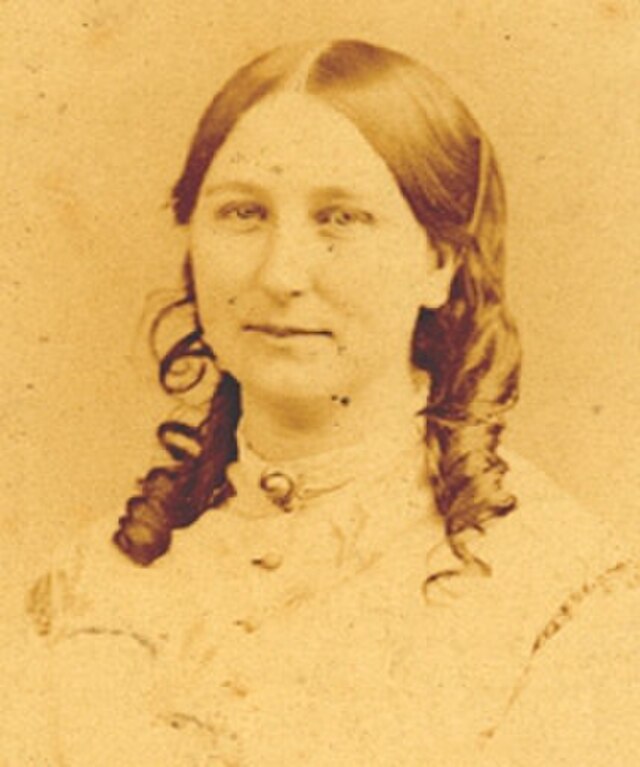
A Young Woman Surrounded by Briars, Lightning, and Roses

19th century

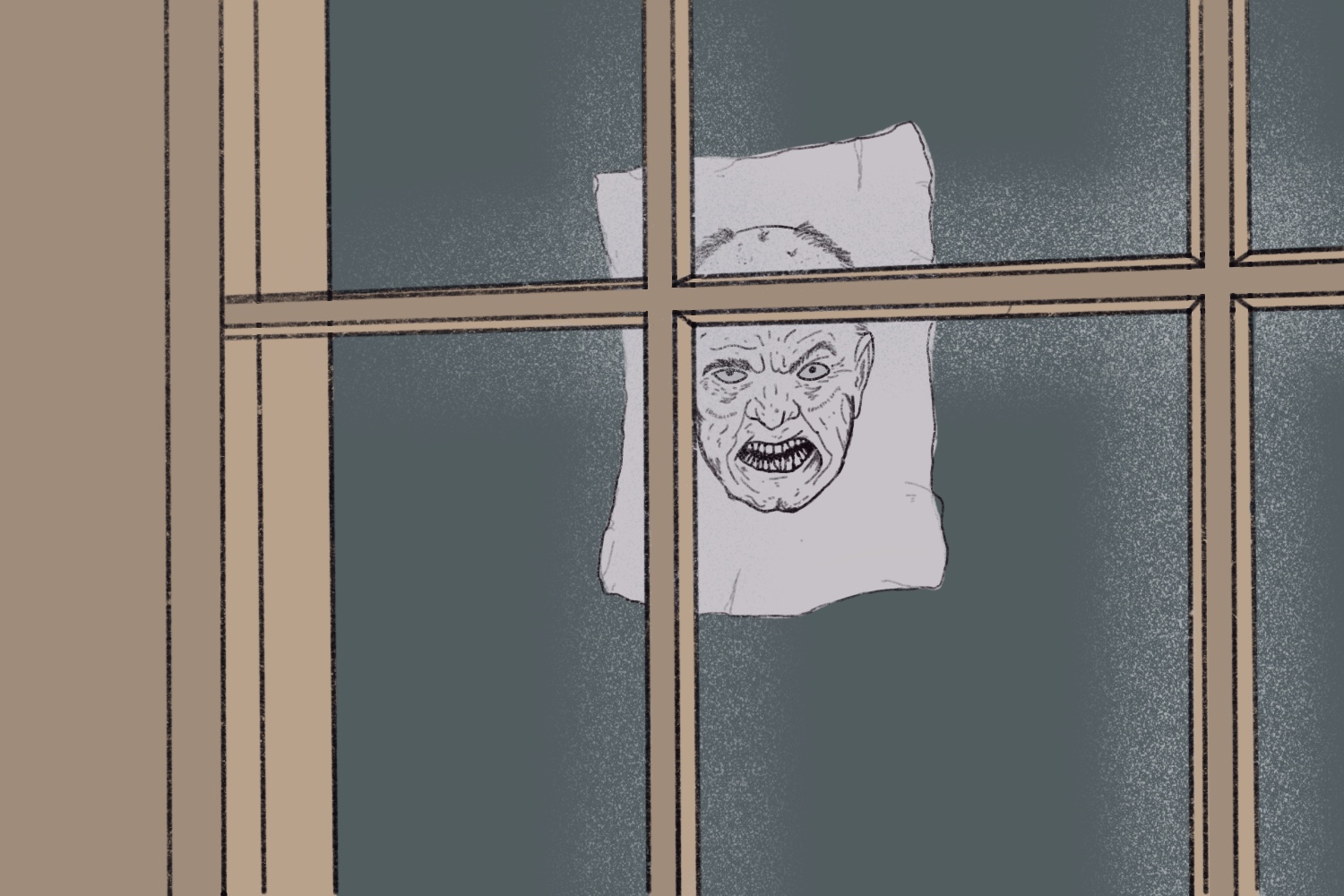
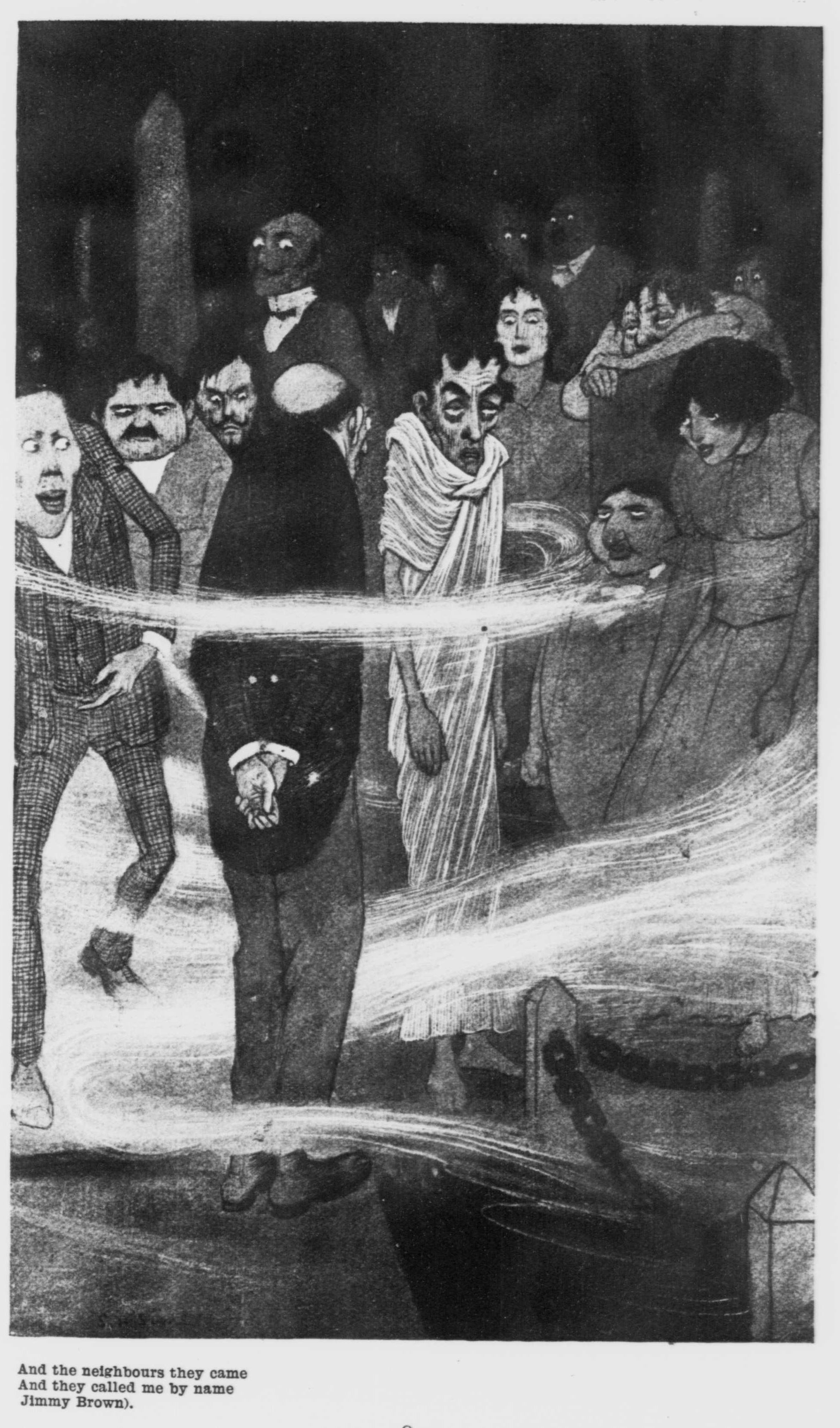
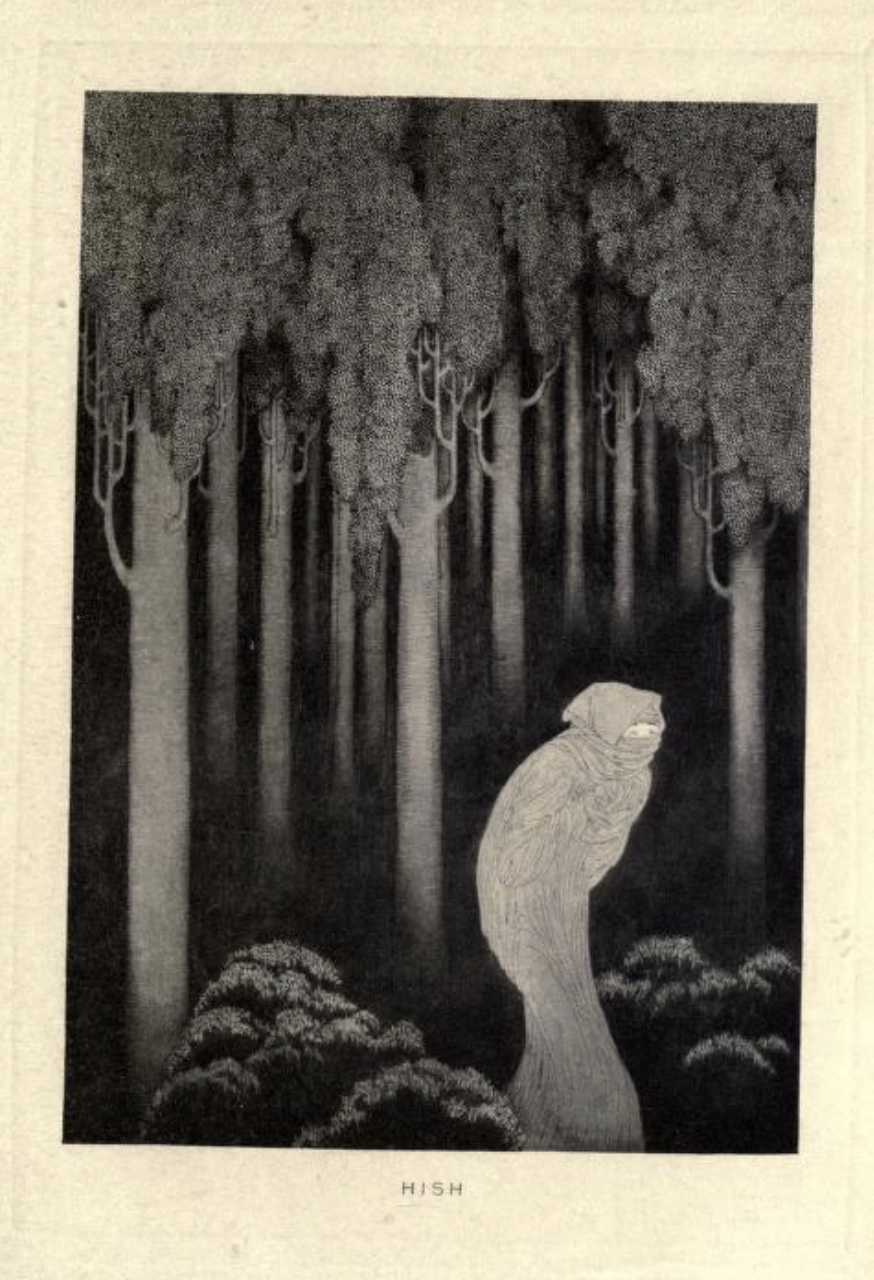
The Light of Ong Zwarba

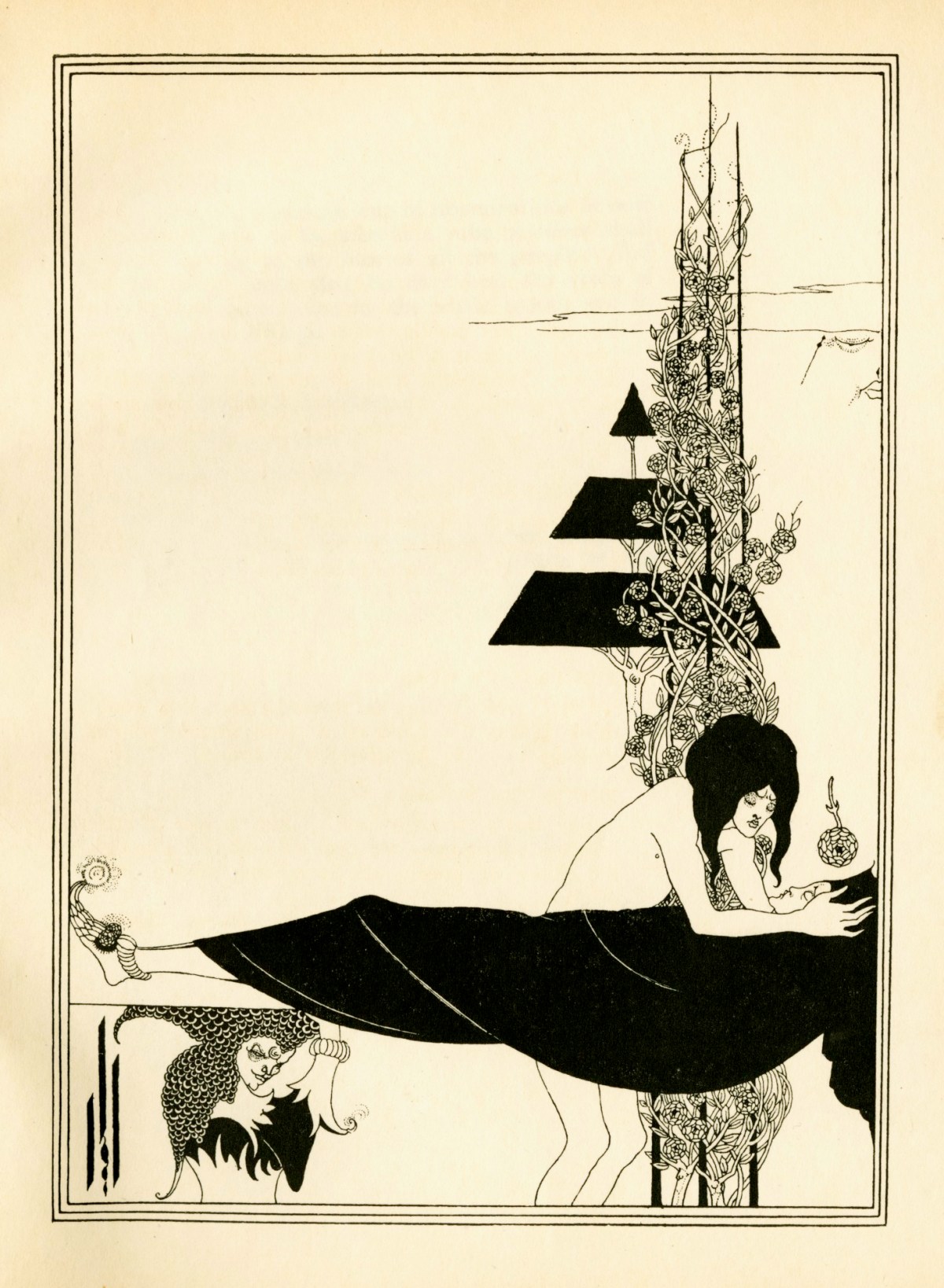
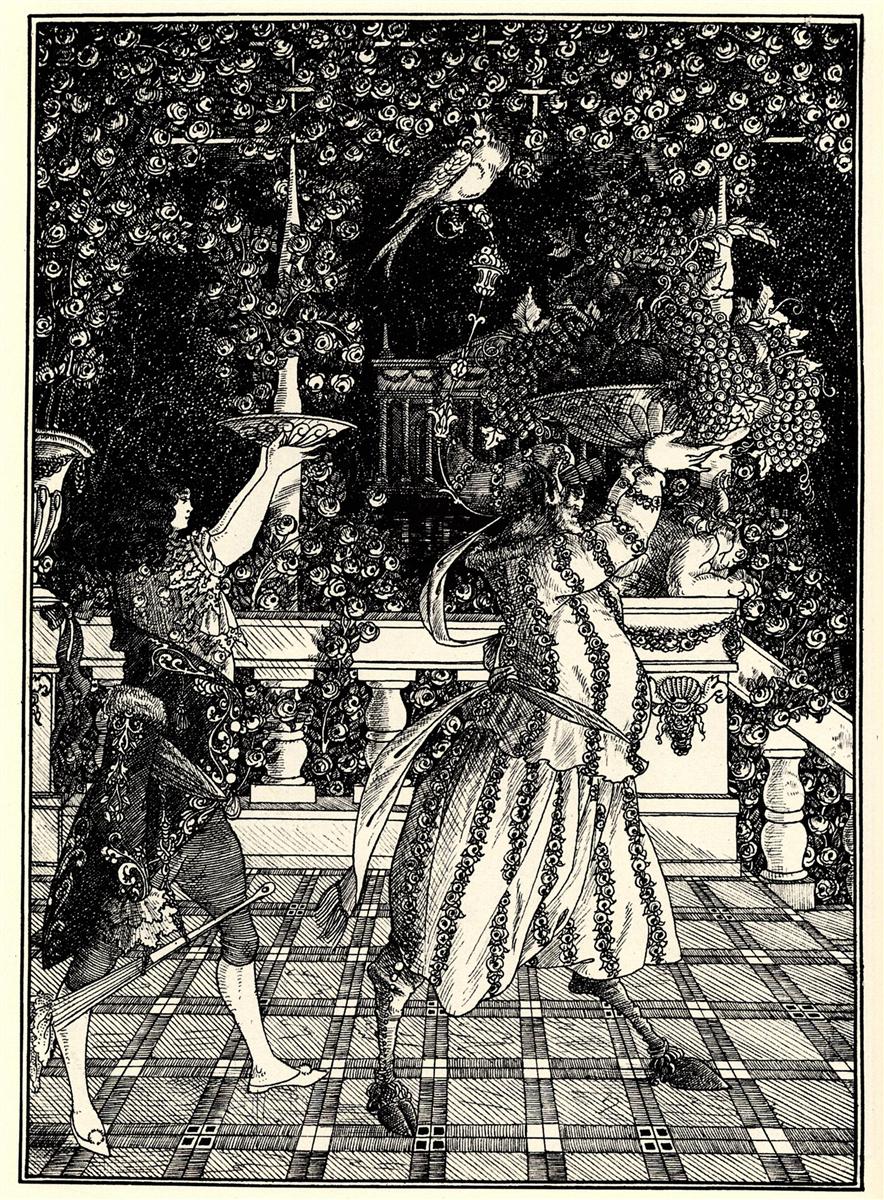
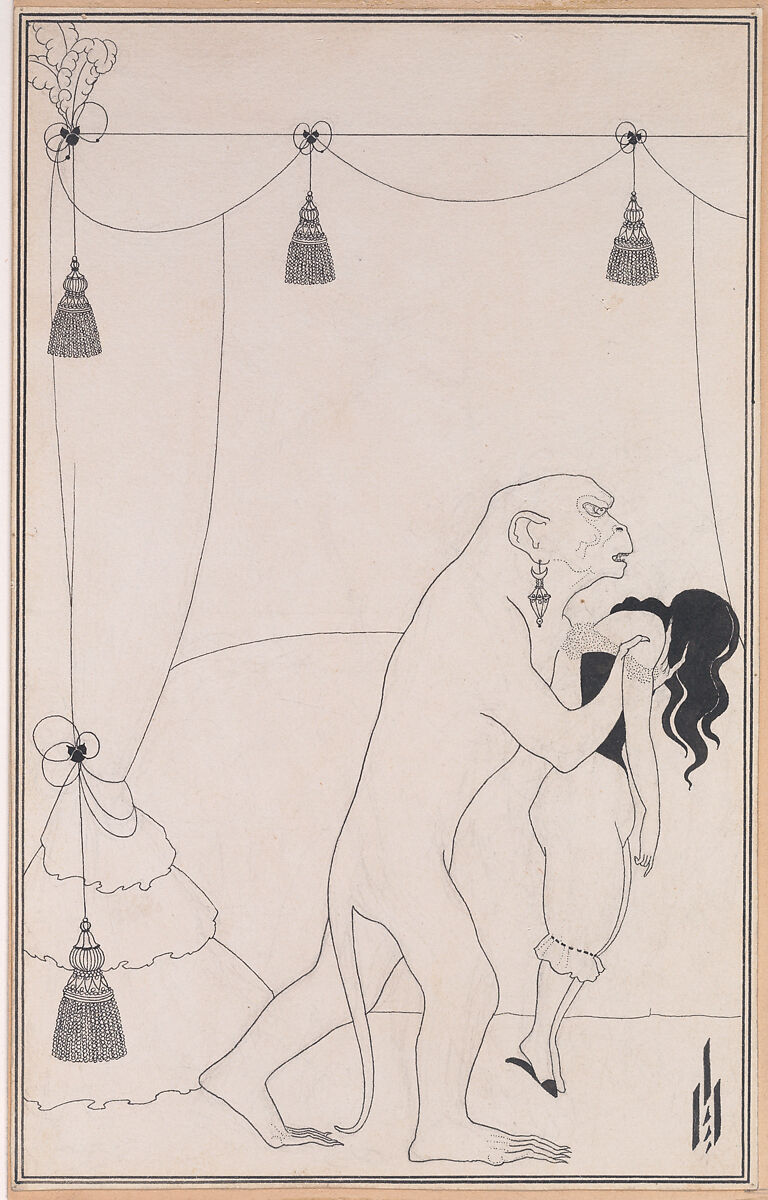
How a Devil in Woman's Likeness Would Have Tempted Sir Bors

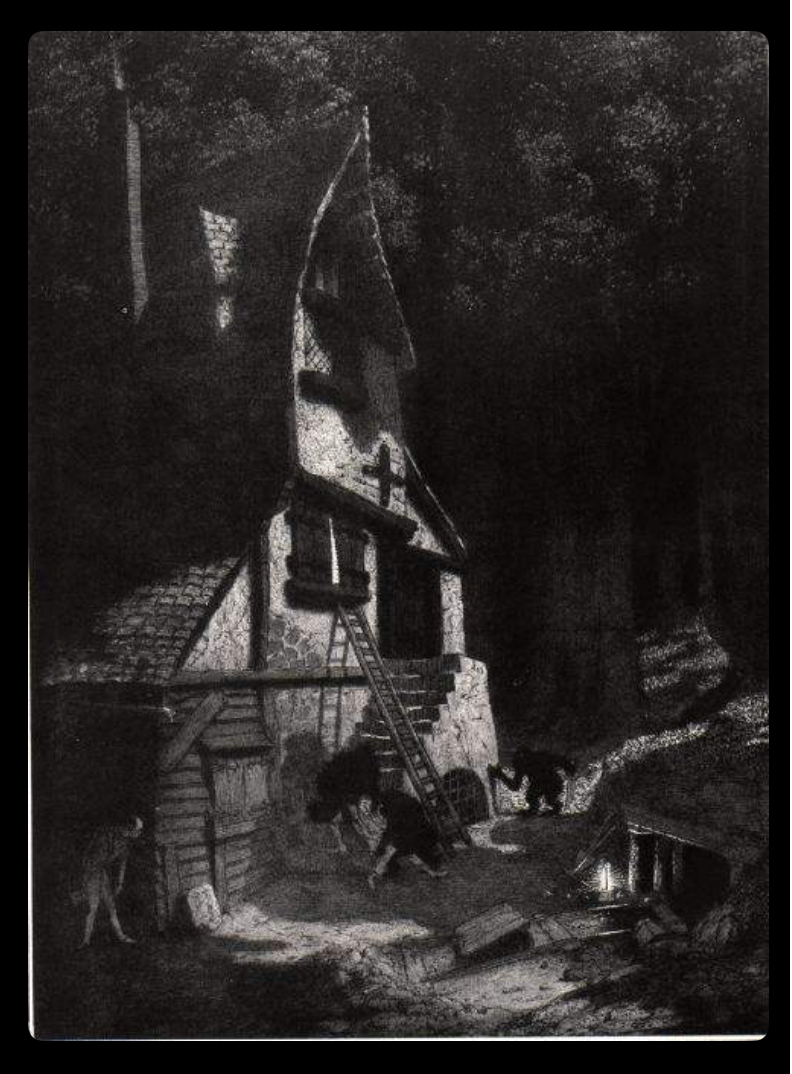
The Blood Meridian

circa. 21st century

The Glanton Gang

circa. 19th century

John Joel Glanton

circa. 19th century
Warhol’s depiction of Chairman Mao comments on political propaganda and the global tension of the Cold War. Though not explicitly anti-war, the series reflects the political consciousness of the time.

"Mao" by Andy Warhol (1972)

1972
A vibrant, bold image that reflects the counterculture movement of the late 1960s and early 1970s. The artwork features a large, bold peace symbol at its center, surrounded by swirling, vivid colors like neon pinks, blues, greens, and yellows. The swirling patterns and bright colors emphasize the peace symbol, which became synonymous with anti-war and civil rights activism. Blending elements of Pop Art and psychedelic art, Max captures the optimism, rebellion, and creative spirit of the youth’s movement. It

"Peace Sign" by Peter Max (1970)

1970
Visually bold and colorful serigraph, employing bright, graphic design techniques in the style of Pop Art. This piece displays large, expressive letters and vibrant colors, surrounded by vivid patterns that express optimism and energy.   The central message of "LOVE" symbolizes not just romantic love but societal love advocating for social change, unity, and compassion. Created during the turbulent 1960s, with the Vietnam War and civil rights struggles, Kent's art strongly speaks to the time period’s politi

"love at the end" by Corita Kent (1969)

1969
This textile-based work, incorporating the American flag with imagery and text, critiques U.S. militarism and racial injustice during the Vietnam War era.

"The American People Series #18: The Flag is Bleeding" by Faith Ringgold (1967)

1967
"Love" by Robert Indiana (1966)

"Love" by Robert Indiana (1966)

1966
Part of Motherwell’s series mourning the Spanish Civil War, this painting features bold, black forms juxtaposed against white and color fields

"Elegy to the Spanish Republic No. 34" by Robert Motherwell (1949)

1949
One of Pollock's first iconic drip paintings, created by pouring and splattering paint onto the canvas. The piece has no central focus, inviting viewers to explore the entire surface.

"Number 1A, 1948" by Jackson Pollock (1948)

1948
A biomorphic abstraction filled with flowing, organic shapes and vivid colors, inspired by Gorky's personal memories and emotions.

"The Liver is the Cock’s Comb" by Arshile Gorky (1944)

1944
"Woman I" mixes aggressive brushstrokes with abstract and figurative elements, representing the tension between abstraction and representation.

"Woman I" by Willem de Kooning (1950)

circa. 1950
A massive, energetic work commissioned by Peggy Guggenheim, it marked Pollock's shift toward his iconic drip-painting style. The piece is a dynamic blend of swirling forms and colors, suggesting movement and chaos.

"Mural" by Jackson Pollock (1943)

1943

The Tales of Mother Goose: Timeless Tales

Beyond the Yellow Brick Road: Recovering the History of the Wonderful Wizard of Oz

17 May 1900
Charles Darwin

Charles Darwin

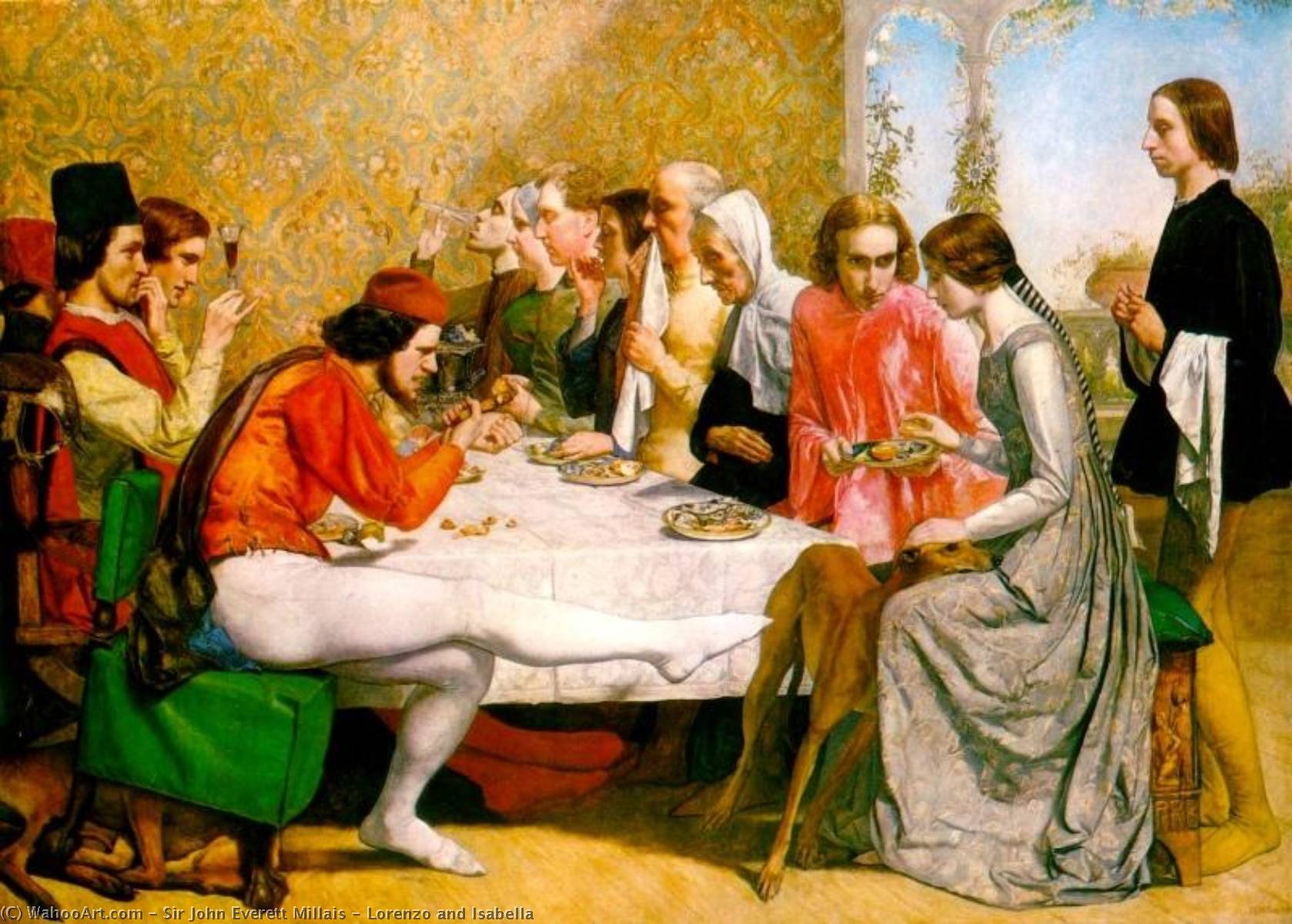
The Role of Chaperones

circa. 1810

Strict Gender Roles and Its Effects

1824

The Struggle Between Love and Marriage

1827

Marriage and Politics

1866

The Rules and Rituals of Courtship

1805

Treasure Island: A Boy's Adventure for Gold, Glory, and Manhood

Painting of John Amos Comenius

Orbis Sensualium Pictus: Reliving Comenius's Life in Pictures

The Christian Didacticism Of Animal Treatment in Anna Sewell’s Black Beauty

The Enduring Influence of Little Goody Two Shoes: From Didacticism to Female Empowerment

Rudyard Kipling’s The Jungle Book: An Examination of Human-Nature Relationships and the Intricacies of a Colonial and Imperial Allegory

Beatrix Potter’s The Tale of Peter Rabbit: Anthropomorphism in Children’s Literature

Anne of Green Gables: A Child Breaking Tradition

A.A. Milne's Winnie-the-Pooh: Growing Up and Staying Young

First Edition cover of Alices Adventures in Wonderland 1865

Alice's Adventures in Wonderland: Learning Through Wonder

1856
A Portrait of John Bunyan

Adventure as Puritan Allegory: John Bunyan's "The Pilgrim's Progress"

1813

Rudyard Kipling’s The Jungle Book: An examination of human-nature relationships and the intricacies of a colonial and imperial allegory

19th century

Peter Rabbit Squeezes Under Mr. McGregor's Garden Gate

Aesop's Fables: The Enduring Importance of Moral Teachings

Louisa May Alcott's Little Women: Intertwining Didacticism and Entertainment

1868

Jacob and Wilhelm Grimm’s Fairy Tales: Stories of Entertaining Folklore

Discovering the Magic of Neverland: Peter Pan

C. S.  Lewis's The Lion, the Witch and the Wardrobe

C. S. Lewis's The Lion, the Witch and the Wardrobe: A Fantastical Tale of the Sons and Daughters of Adam and Eve

20th century

Pagination

  • First page « First
  • Previous page ‹‹
  • …
  • Page 10
  • Page 11
  • Page 12
  • Page 13
  • Current page 14
  • Page 15
  • Page 16
  • Page 17
  • Page 18
  • …
  • Next page ››
  • Last page Last »

Webform: Contact

About COVE

  • Constitution
  • Board
  • What's New
  • Talks / Articles
  • Testimonials

What is COVE?

COVE is Collaborative Organization for Virtual Education, a scholar-driven open-access platform that publishes both peer-reviewed material and "flipped classroom" student projects built with our online tools.

Visit our 'How To' page

sfy39587stp18