
Ezra Pound and Imagism
Created by Allison Musselwhite on Thu, 04/10/2025 - 10:15
A timeline of events happening in correspondence to Ezra Pound and Imagism
Timeline
Chronological table
| Date | Event | Created by | Associated Places | |
|---|---|---|---|---|
| circa. 1914 |
Des Imagistes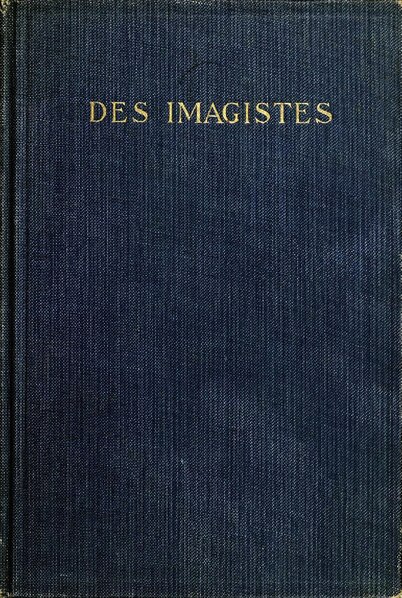 The Des Imagistes was the first Imagism anthology organized and revised by Ezra Pound “As leader of the Imagist movement of 1912–14, successor of the 'school of images,' he drew up the first Imagist manifesto, with its emphasis on direct and sparse language and precise images in poetry, and he edited the first Imagist anthology, Des Imagistes.” Some of the contributors to the anthologies were Richard Aldington, John Gould Fletcher, F. S. Flint, H. D., D. H. Lawrence, Amy Lowell and Pound, with incidental poems by Skipwith Cannell, John Cornos, Ford Madox Hueffer, James Joyce, Allen Upward, and William Carlos Williams. “Its initial appearance as a special issue of the literary magazine The Glebe, and the subsequent book editions published in New York and London.”
“Modernist Journals | Des Imagistes.” Modernist Journals Project, https://modjourn.org/journal/des-imagistes/. Stock, Noel. "Ezra Pound". Encyclopedia Britannica, 7 Apr. 2025, https://www.britannica.com/biography/Ezra-Pound. "William Carlos Williams Passport Photograph, 1921." Wikimedia Commons, 1921, commons.wikimedia.org/wiki/File:William_Carlos_Williams_passport_photograph_1921.jpg |
Allison Musselwhite | ||
| circa. 1923 |
"The Red Wheelbarrow"- William Carlos Williams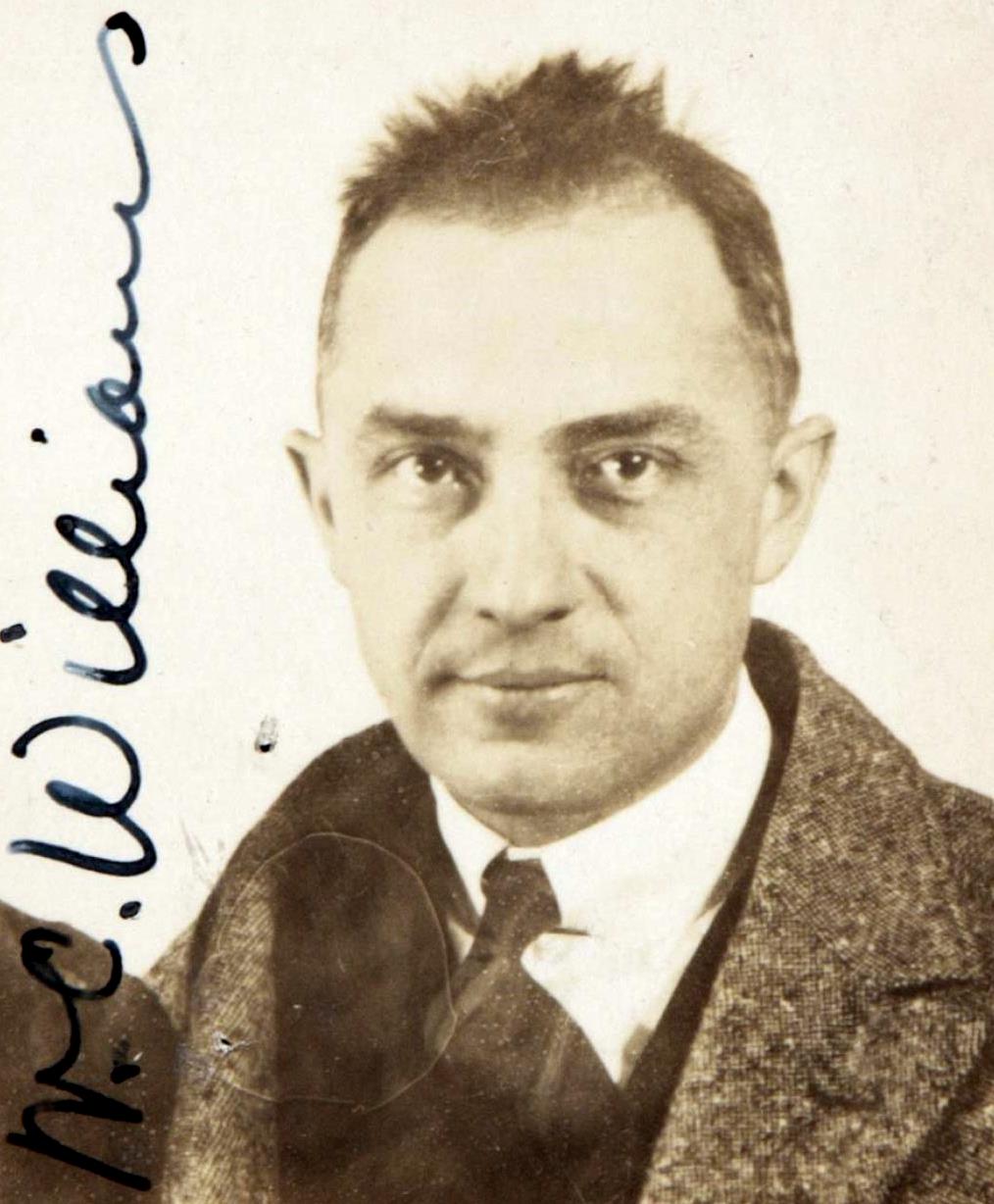 "The Red Wheelbarrow" is an example of Imagist Poetry. This poem is described as “doing exactly what it is supposed to.” In imagist poetry, there is often nothing extra added, and it is direct. This poem is used to show that some of the most important things in our lives can often be overlooked or neglected because of the simplicity. William Carlos Williams was a friend of Ezra Pound while attending the University of Pennsylvania. Pound was a great influence on Williams' writing. Even though Williams was one of the founders of the Imagist movement, as time went on he started to disagree more and more with what they stood for, especially T.S. Elliots involvement as Williams started to think that Pound and Elliot were becoming too attatched to European culture and traditions. As he started to pull away from them movement, he felt that his slow moving influence was overshadowed by Elliot's "The Waste Land."
“About William Carlos Williams | Academy of American Poets.” Poets.org, https://poets.org/poet/william-carlos-williams. Smith, Connie. "The Red Wheelbarrow by William Carlos Williams". Poem Analysis, https://poemanalysis.com/william-carlos-williams/the-red-wheelbarrow/. "Page 1-402px-Des Imagistes, (New York Edition)." Wikimedia Commons, commons.wikimedia.org/wiki/File:Page_1-402px-Des_Imagistes,_New_York_edition).pdf.jpg. |
Allison Musselwhite |