
Black Sea
Appearance in Frankenstein: The Black Sea appears in Chapter 7, Volume 3, as Victor pursues the creature across Europe. Victor follows the creature from the Rhone valley through the Mediterranean, ultimately tracking him to "a vessel bound for the Black Sea." This marks a crucial moment in Victor's obsessive chase, as the creature leads him ever further from civilization toward the remote edges of the known world.
Historical Context: In the late 18th and early 19th centuries, the Black Sea represented the geographic and cultural boundary of familiar Europe for British readers. The region served as a gateway to Russia and the vast, mysterious expanses of Eastern Europe and Asia. For British audiences in the 18th and 19th Centuries, the Black Sea held particular significance due to:
- Romantic fascination with the exotic "East" - The region embodied the Romantic ideal of wild, untamed territories beyond the rationalized landscape of Western Europe.
- Trade and exploration - The Black Sea was a known but still somewhat mysterious maritime route, linking the familiar Mediterranean to the unknown expanses of Russia and Asia.
Literary Significance: The Black Sea functions as a crucial transitional space in the novel's symbolic geography. Victor's pursuit traces a path from Geneva (representing order, family, enlightenment values) through the Mediterranean (classical civilization) to the Black Sea (the threshold of the unknown East). This progression mirrors Victor's psychological and moral deterioration as his obsession consumes him. The location also foreshadows the novel's ultimate Arctic setting - the Black Sea connects to waterways leading north through Russia toward the polar regions where the final confrontation occurs. Shelley uses this geographic progression to illustrate how Victor's transgression drives him literally to the edges of the civilized world, away from human society, moral restraint, and any possibility of redemption. The creature leads him ever outward toward increasingly sublime and terrifying wildernesses.
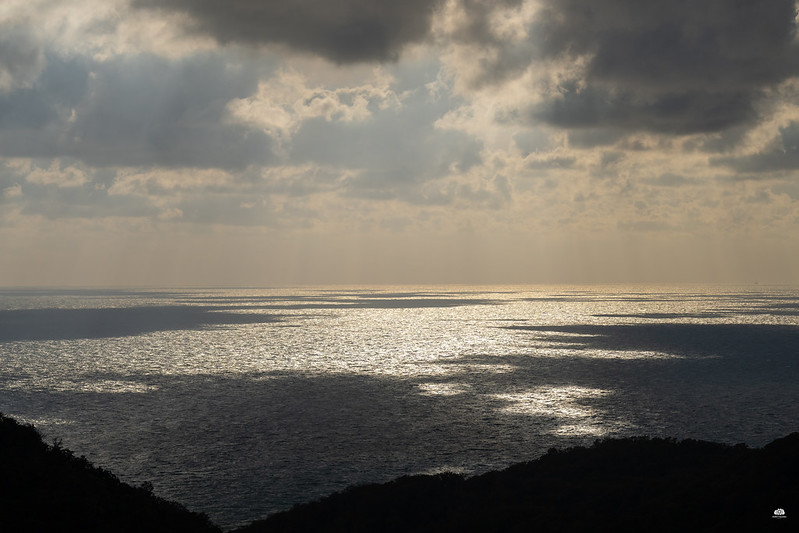
Image: Mr.Dim. The Balck Sea. October 31, 2022. flickr Images https://www.flickr.com/photos/190173716@N05/52469225846/in/photolist-2nWwuQW-R6ZqEy-nvgtUr-2nWrPMh-rUy22P-JmDYoW-TV2GZ2-nvgvAH-2nE5Bny-zjUGQF-2oKHqCX-2kxYx8o-2j84h5N-2mNWTso-24KPDgX-2kx5miG-2nw8wyx-2maR8XB-2kWFK6r-2jB2xAs-RBQ46h-2nfJ8FW-2jKQDiN-2neVgx2-29XXmoc-dMgSTM-2onRrD3-2gsBtid-2mzq66a-2mbugDC-2oSP8mc-2kYREjb-2ovcN7h-2o4dyqA-2j4chNC-7F9qdz-2ods7Yh-2iLhFSB-2nrPr5V-REizNu-2ka54x9-2nd56EG-2nH71fz-2iGpszK-XhAd2S-zTscoS
Harlaftis, Gelina. "Black Sea and its Maritime Networks, 1770s-1820s: The Beginnings of Its European Integration." FUP Best Practice in Scholarly Publishing, 2019, pp. 355-382. DOI 10.36253/978-88-6453-857-0.19.
Parent Map
Coordinates
Longitude: 34.299316000000