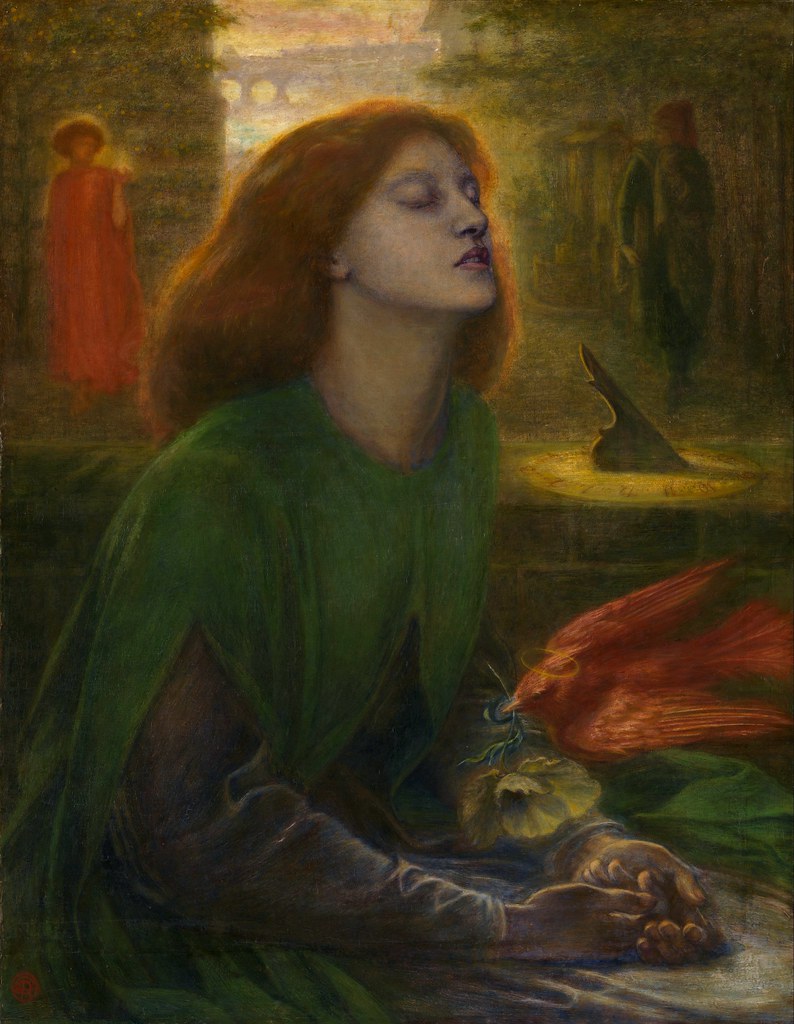
Dante Rossetti's Studio

Inside her brother’s London studio at 16 Cheyne Walk in Chelsea, London, Christina Rossetti witnessed the same face appear again and again, transformed into myth, beauty, muse. The space was filled with art, but also with absence: the women painted were seen but never heard. It was here, among the brushes and canvases, that Christina began to question the illusions being made. Mapping this studio marks not just a site of creation, but the quiet beginning of confrontation; a moment when poetry chose to speak where paint would not.


Photo: "Artist's Studio, Loubressac" by kiwizone is licensed under CC BY-NC-SA 2.0.

Coordinates

Latitude: 51.483983900000
Longitude: -0.165858300000

Timeline of Events Associated with Dante Rossetti's Studio
Date Event Manage
1857

Rossetti Sees Through the Frame

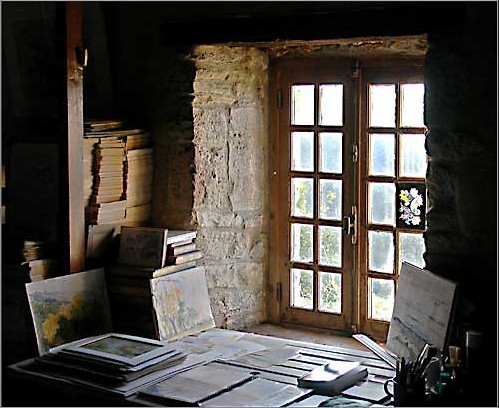
Sometime around 1857, surrounded by the Pre-Raphaelite painters in her own family and social circle, Christina Rossetti began to notice a pattern, the same woman’s face appearing in painting after painting. Her brother, Dante Gabriel Rossetti, painted Elizabeth Siddal obsessively, idealizing her features until she became less a person than a recurring vision. Christina saw this; saw the flattening, the repetition, the silence, and chose to respond not with paint, but with poetry. In an Artist’s Studio wasn’t just written to be published; it was written to observe what the art refused to say. This timeline marks a shift from being inside the frame to speaking beyond it. Rossetti may have shared blood with the artist, but she refused to share the illusion. Her poem turns the gaze around, a quiet act of resistance, born in a room full of beauty, but aching with erasure. This wasn’t just a critique of one painter’s habit, it was a larger reckoning with the way art can distort, reduce, and disappear. 


Photo: "Dante Gabriel Rossetti - Beata Beatrix [c.1864-70]" by Gandalf's Gallery is licensed under CC BY-NC-SA 2.0.

Annotations: https://www.poetryfoundation.org/articles/147403/painted-ladies 


D. Rossetti "Beata Beatrix"