
Manhattan, New York
B. The Complexities of Transatlantic Feminism

A broad overview of feminism would lead anyone to believe that they were all fighting against being oppressed by men, but through our research, we have come to realize that it wasn’t always that clear cut. Freedom for women in the mid-1900s varied, depending on sociocultural factors like social class, race, gender identity, and family life. The goals of the suffragette movement in Britain brought to light the prominent division between women in the middle and working-class during the mid 19th century. This class division complicated our ideas of how the emerging first wave of feminism supported Victorian women writers, like Bronte and Fern, in using their voices to question the incredibly gendered social norms of their time. Now we found ourselves looking into the transatlantic discussions of who, within these women, were thought as deserving of what rights. The British suffragettes believed that women who were middle-class and educated should get to vote. Charlotte Bronte exhibited pieces of this ideology within Jane Eyre by having her heroine, Jane, inherit proper financial independence, solidify her status as a middle-class woman, and then run back to the domestic once she feels she is equal to the men in her life. The ideologies that bled into Jane Eyre can also be linked to the fact that Bronte herself was a part of the middle-class so the suffragettes were fighting for her right to vote, making her more inclined to support their ideologies.
American suffragettes differed in ideology because they were more focused on rallying the working-class women, encouraging them to fight for their right to vote so that their work conditions would be improved and they would be seen as equal to men. Fern exhibits this ideology very clearly in her novel Ruth Hall by having her protagonist struggle greatly in her quest for financial independence. We see Ruth go to great lengths to support herself and her children after losing her husband and being ostracized by her familiars. Finally realizing that her voice will help her reach that financial independence, she begins writing extensively for little pay until she finally meets a publisher who supports her wholeheartedly and pushes her to publish a book. Here Fern highlights the ideology that freedom and independence for Ruth were found in the workplace where she was finally being regarded as an equal to men. Ruth Hall was an autobiography of Fern’s life, struggles, and all, which explains why Fern would have echos of these American suffragette ideologies of fighting for the equality of the working-class woman within her novel.
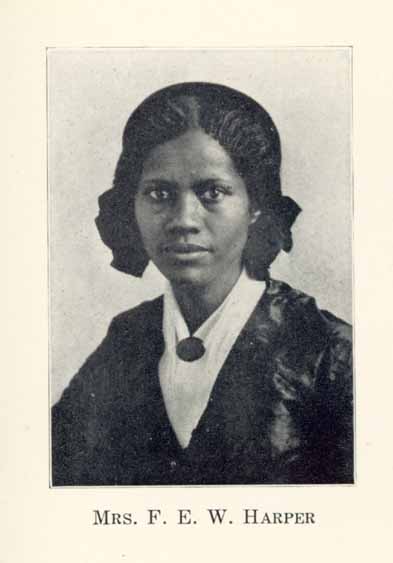
This ideology from the British may have excluded many working-class women who weren’t provided the same education, leisure time, and resources but our research blatantly showed how both sides of the ocean were connected in excluding many Black women from their fight for equality. Racism was still rampant and the suffragettes desperately needed supporters, leading them to cater to popular racist ideologies for their own selfish gain. The cases of infighting during this first wave of feminism complicated our understanding of how women were using their voices to stand up for their independence because we noticed some directing the power of their voices to put down or silence other women’s voices. This hypocrisy complicated our understanding of this cultural fight for gender equality because now it wasn’t just women as a collective using their voices to stand up for themselves, it was women of different classes and races using their voices to fight many different battles to stand up for themselves and gain their freedom.
Coordinates
Longitude: -73.971248800000