The Port of Bristol, England

According to Bristol Museum Collections, Bristol's official involvement in the transatlantic trade of enslaved Africans started in 1698. Bristol was involved because the trade was risky, but profitable and Bristol was in a good place to exploit it. Bristol had direct contact with the West Indies since at least the sixteenth century. Up to this point the slave trade had not been a major factor in either of these trading relationships. But by the mid-seventeenth century, the growth of sugar cultivation in the Caribbean, and tobacco in Virginia and Maryland, ensured the demand for enslaved Africans, and so it began. This port had direct effects on encouraging the abolitionist movement and eventually led to the need for the Abolition of the Slave Trade act of 1807. 

Bristol Slave Trade Walk | Rob Collin Guide | Guided Tours in Bristol


Photo: Port of Bristol

Location: Bristol and the Transatlantic Traffic in Enslaved Africans - Bristol Museums Collections 


Coordinates

Latitude: 51.503219500000
Longitude: -2.699042000000

Timeline of Events Associated with The Port of Bristol, England

Date Event Manage
1807

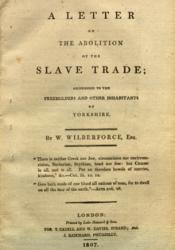
Abolition of the Slave Trade Act

Richard Sheposh, and EBSCO researcher, states that the 1807 Abolition of the Slave Trade Act in the British Empire was a law passed by the British Parliament that ended the transportation of enslaved individuals within British territories. This came after advocacy from abolitionists. Before this, Britain had been a leading nation in the transatlantic slave trade, with millions of Africans forcibly transported under horrific conditions. The 1807 Act was a major legislative victory for the abolitionist movement and for human rights as a whole that many writers of British Literature supported. 

Photo: 1807 Abolition of the Slave Trade Act

Event: 1807, Act on the Abolition of the Slave Trade in the British Empire  | Research Starters | EBSCO Research

1807 Abolition of the Slave Trade Act