
Introduction:
The Chimney Sweeper, a poem in The Songs of Innocence and Experience by William Blake, focuses on two young children who work as chimney sweeps in the 17th century. This exhibit focuses on the young children such as the one depicted in The Chimney Sweep from Songs of Experience published in 1794. The young child speaking to us from this poem expresses feelings of hardship and abandonment that come from the conditions working children sweeps are exposed to. Blake writes, “…And because I am happy. & dance & sing. They think they have done me no injury…” which puts into perspective how the child in this poem recognizes that due to his innocence and childlike ways, the adults simply choose to ignore the reality of his situation.
Jenny Holt uses a book inspired by another chimney sweep child known as The Water-Babies by Charles Kingsley in her analysis called, “‘A Partisan in Defence of Children’? Kingsley’s The Water-Babies Re-contextualized.” Holt stated the following:
In Britain, the plight of the child sweep, intensively documented by campaigners from the 1770s to the 1870s, was symbolic of all that was wrong with British society and its attitude to the poor and their offspring. Because coal, rather than wood, tended to be the fuel of choice in Britain, chimney flues were made narrow to produce a stronger draught, which meant that adults could not get inside to clean them. Master sweeps therefore resorted to sending small children up the chimneys to remove the soot (Holt 353).
This highlights the fact that children were chosen, specifically poor children, based on the disadvantage of being small enough to fit without any other considerations. Furthermore, this leads to the question of, in what ways did industrialization contribute to child abuse, and why was the innocence of children taken advantage of by the society?
The images chosen in this exhibit all investigate said question. All four images contain messages that pertain to the conditions in which child sweeps were exposed to as a result of industrializations contribution to child abuse.
Works Cited
Holt, Jenny. “‘A Partisan in Defence of Children’? Kingsley’s The Water-Babies Re-contextualized.” Nineteenth-Century Contexts, vol. 33, issue 4, 2011, pp. 353-370.
Images in the Series
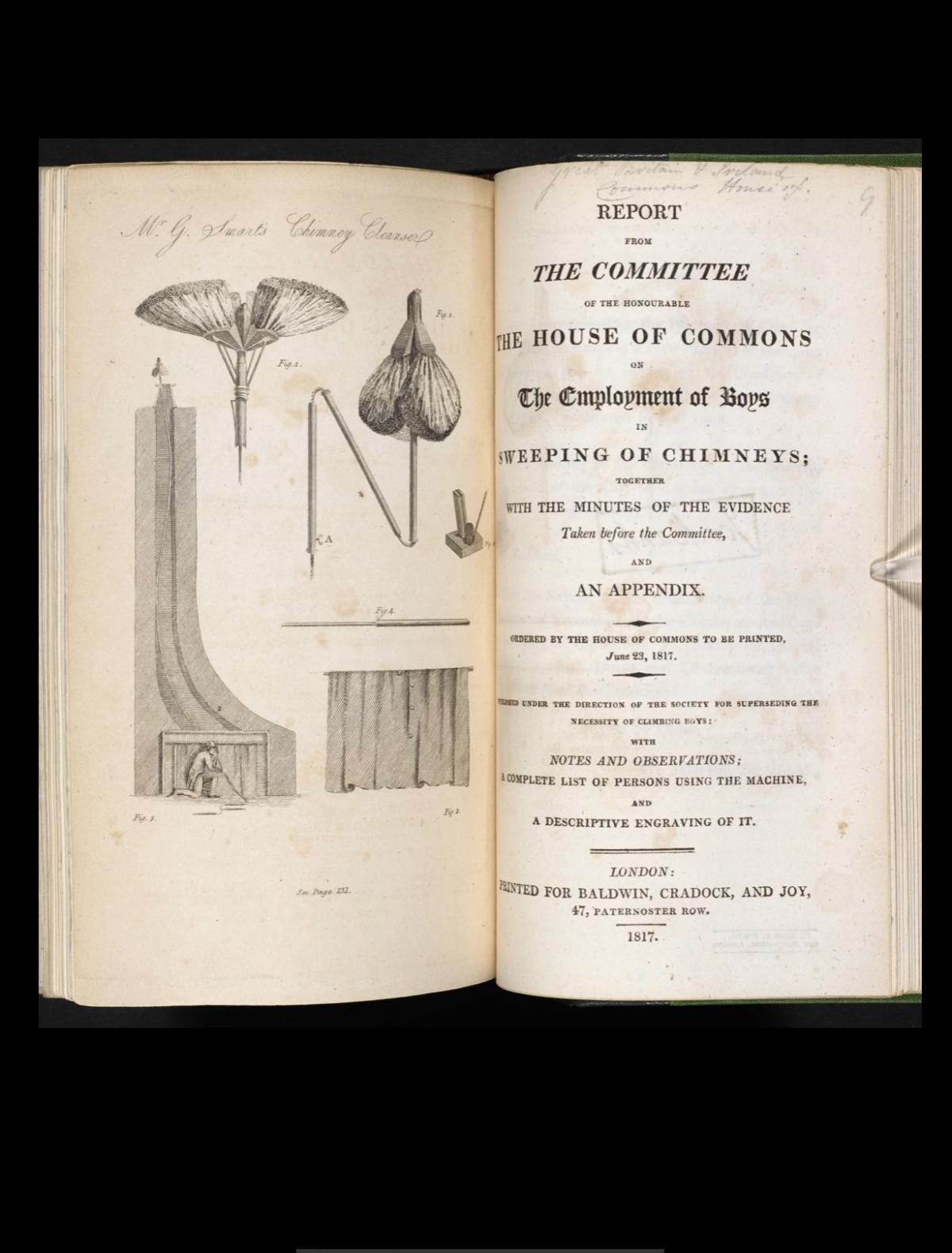
Fig. 1. The Committee of the Honourable the House of Commons. “Report from the Committee of the honourable the House of Commons on the Employment of Boys in Sweeping of Chimneys.” 1817. British Library, https://www.bl.uk/collection-items/house-of-commons-report-of-boy-chimn…
The Parliamentary Committee published the report in 1817, reflecting on evidence provided by chimney-sweeps, a surgeon and social reform worker in light of the conditions that chimney sweepers had been exposed to from 1788-1817. The importance of knowing what the children were exposed to was prevalent to getting progress on the reform for chimney sweeps. On the front page, shown here, the image of the tight and narrow chimneys the children climbed into was illustrated. In the actual report itself, description of the physical abuse endured by the children from their employers was provided and many times these children were beat if they showed any resistance to working. The children also had their feet pricked or a fire lit under them in order to make them climb further into the chimney stack. Among physical abuse, health issues were also described in the report such as testicular cancer. The highlight of it all, in the report it is stated there was a machine that could do this all along, but children were cheaper and more efficient so adults at this time enabled the child abuse.
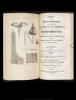
Fig. 2. Sambourne, Edward Linley. “Frontispiece. Engraving from Charles Kingsley, The Water-Babies: A Fairy Tale for a Land-Baby.” 1889. London Macmillan, file:///Users/hellensouza/Downloads/CHARLES_KINGSLEYS_the_WATER-BABIES_INDUSTRIAL_ENG.pdf
The Water-Babies by Charles Kingsley is about a character named Tom who was a chimney sweep. The illustration used as the letter O in once, on the opening page of the story, depicts the little boy, Tom. It is believed that Kingsley illudes to Tom Dacre from Blake’s The Chimney Sweeper from Songs of Innocence with his character Tom. In this image the little boy looks up to the sky while sitting over a smoking chimney stack which makes him seem hopeful. This highlights the innocence and even naiveness in Tom. Beyond all the struggles and abuse Tom has most likely endured he remains looking to the sky dreaming of having more. The image of this child captures how children were taken advantage of by society due to their innocence. The character Tom gets revenge on society by using his second chance at life, after drowning, to become a worthy part of the society.
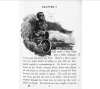
Fig. 3. Syntax, Sam. “Sam Syntax's Description of the Cries of London.” 1821. British Library, https://www.bl.uk/collection-items/the-cries-of-london
This book contains various depictions of the “Cries of London.” Street cries were phrases yelled out by vendors in order to sell their goods. This image accompanied by two short poems allow for another view on the conditions of the sweepers. The image illustrates a small child covered in soot who is looking at the vendors food. In the first poem here called “Sweep! Sweep Ho! Sweep!” it describes how the child sweep will have to drag himself to work no matter the weather before the adults even wake up. In the second poem called “Plum Pudding and Pies-Hot-Piping Hot,” which is what the image here illustrates, speaks about a child sweep who is hungry and wants the vendor’s pie. This speaks to the fact that beyond all the work the children did, they were not paid a single cent. The child sweep could not afford to buy the man’s pie and just longed for it. This is another form of abuse that children sweeps were victims of, exploitation.
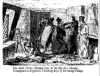
Fig. 4. Porter, S. “An Appeal to the Humanity of the British Public.” 1819. Irish Farmers’ Journal, http://moglen.law.columbia.edu/twiki/pub/EngLegalHist/ArmorieDelamirie/climbing_boys_strange_ch_2.pdf
Perhaps the most impactful image of this entire series, it was included in the Irish Farmer’s Journal as a part of reports on death and injuries of climbing boys. This leaflet within the journal aimed to bring some awareness to the condition of chimney sweepers. In this report, two chimney sweepers died inside the chimney stack. The first boy sent up got stuck in the baker’s oven, then a second boy was sent up to try and help remove the first boy, but both ended up dead by suffocation. What is even more staggering is the fact that the editor of this journal although trying to bring awareness to the cause still did not believe that chimney sweeping should be gone for good. The editor believed that the machines did not do a good enough job of cleaning the chimneys and for this reason this labor could not be totally rid of. This speaks to the sense of abandonment felt in Blake’s poem, no one was fighting enough for these children at the time. People rather have children dying than use a machine to clean out chimneys and act as if everything about that was normal.