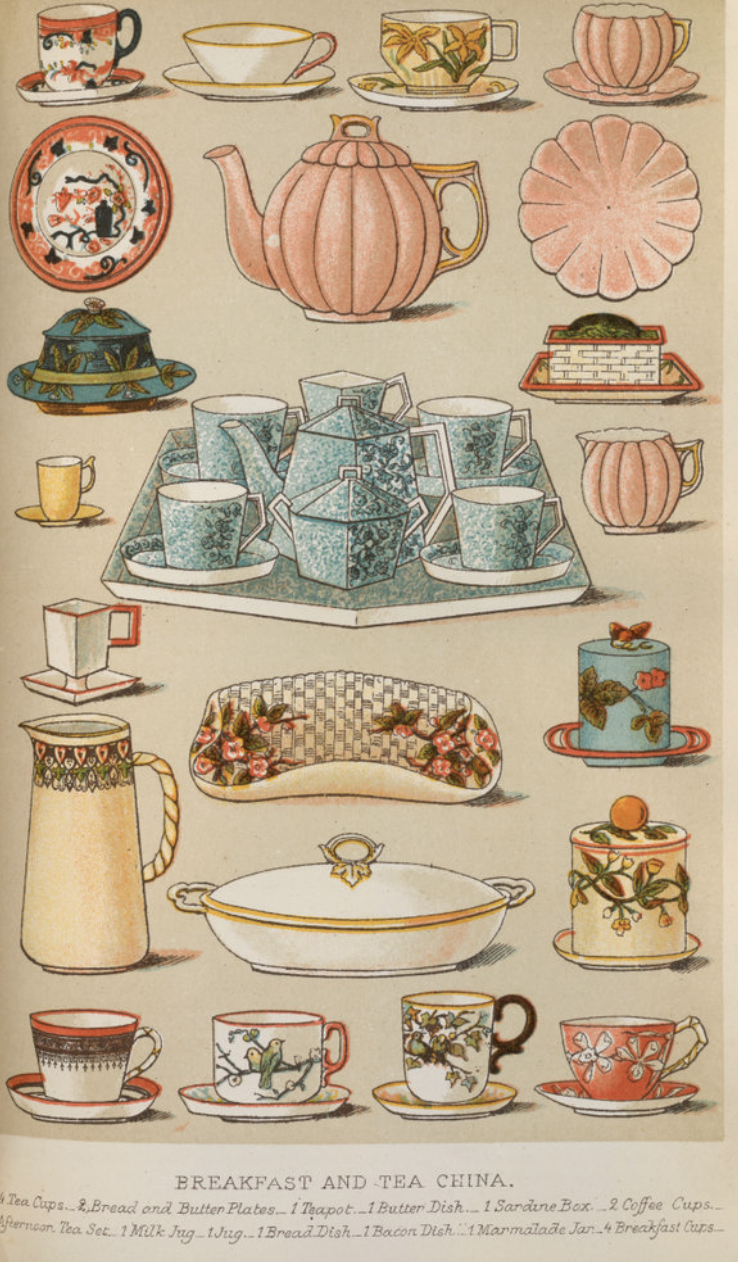
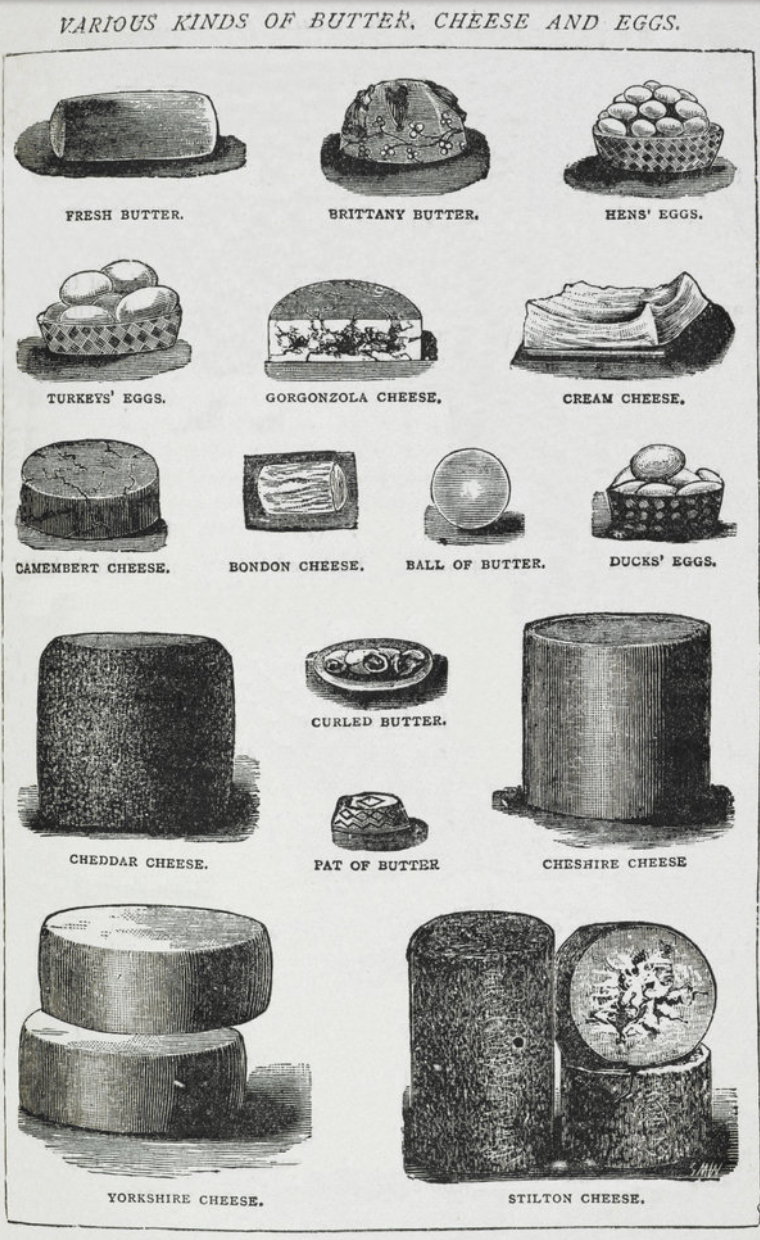
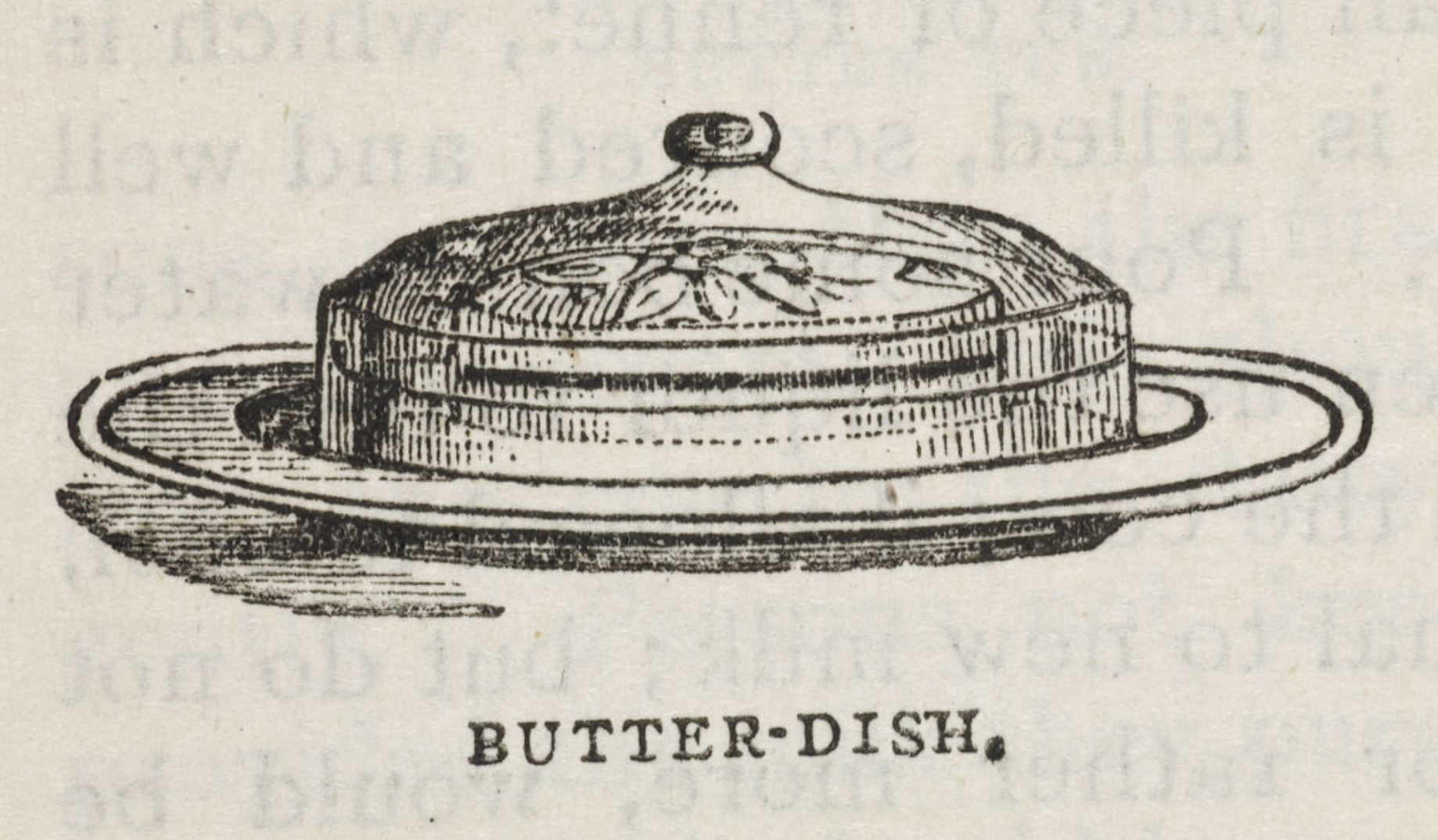
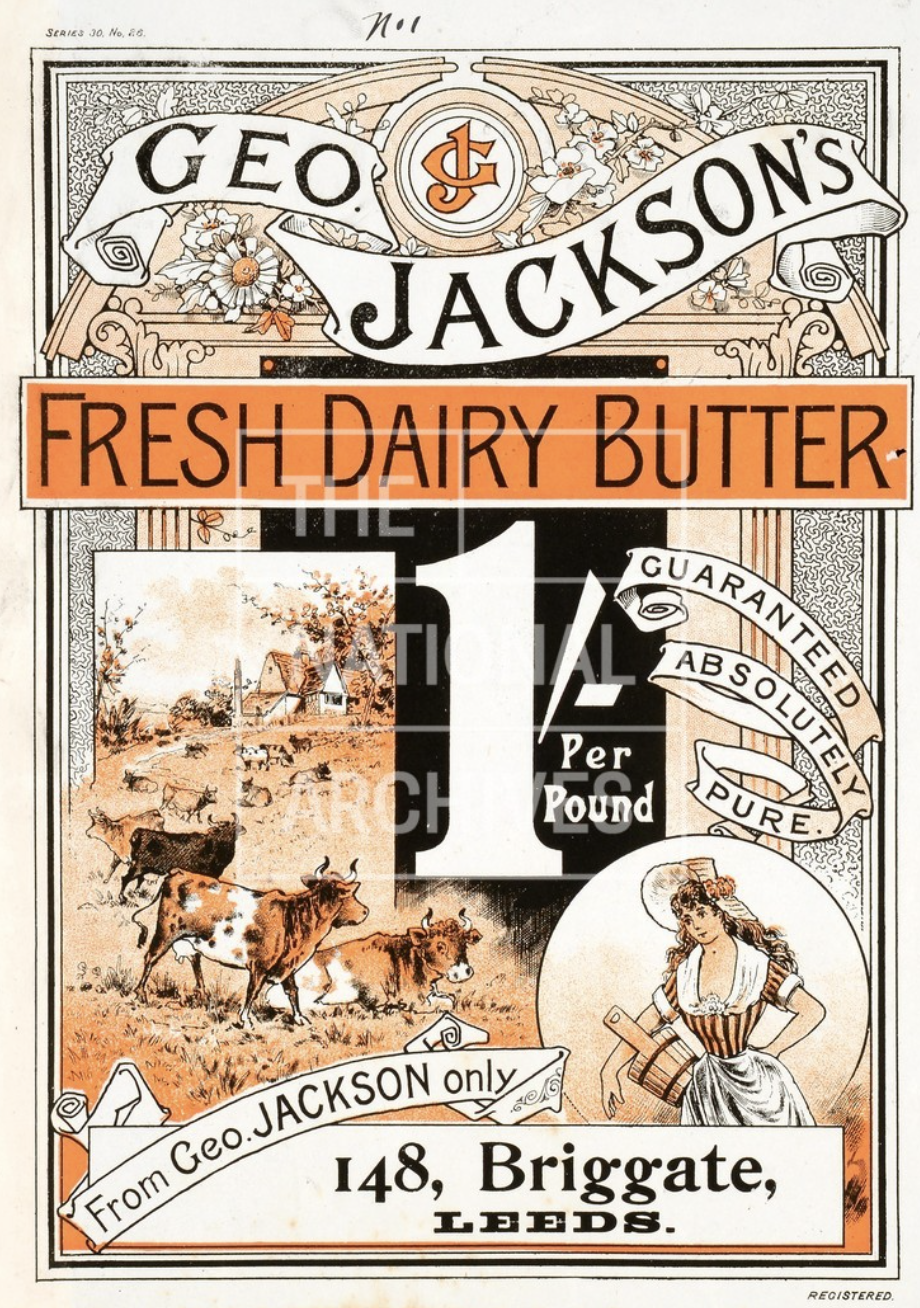
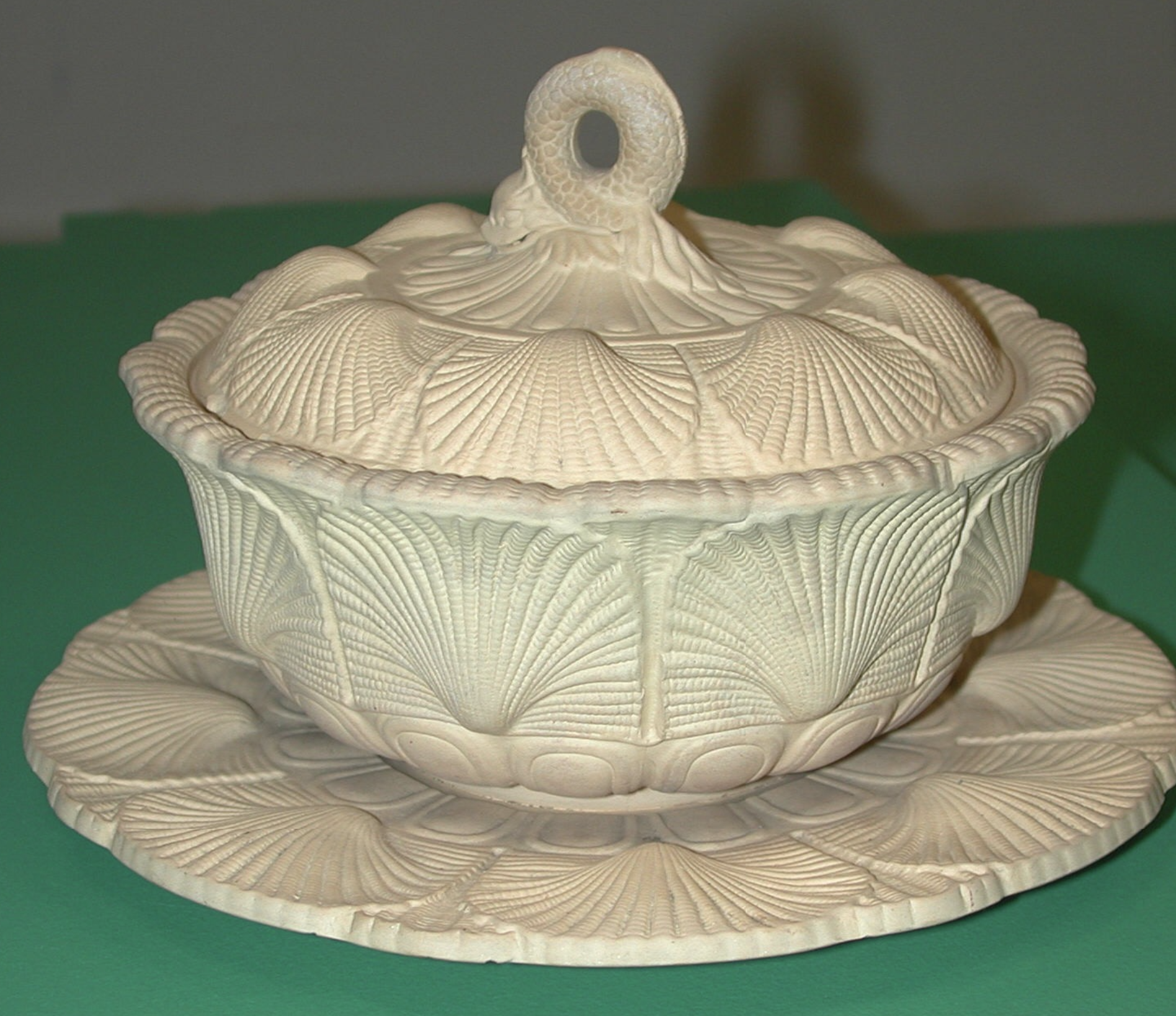
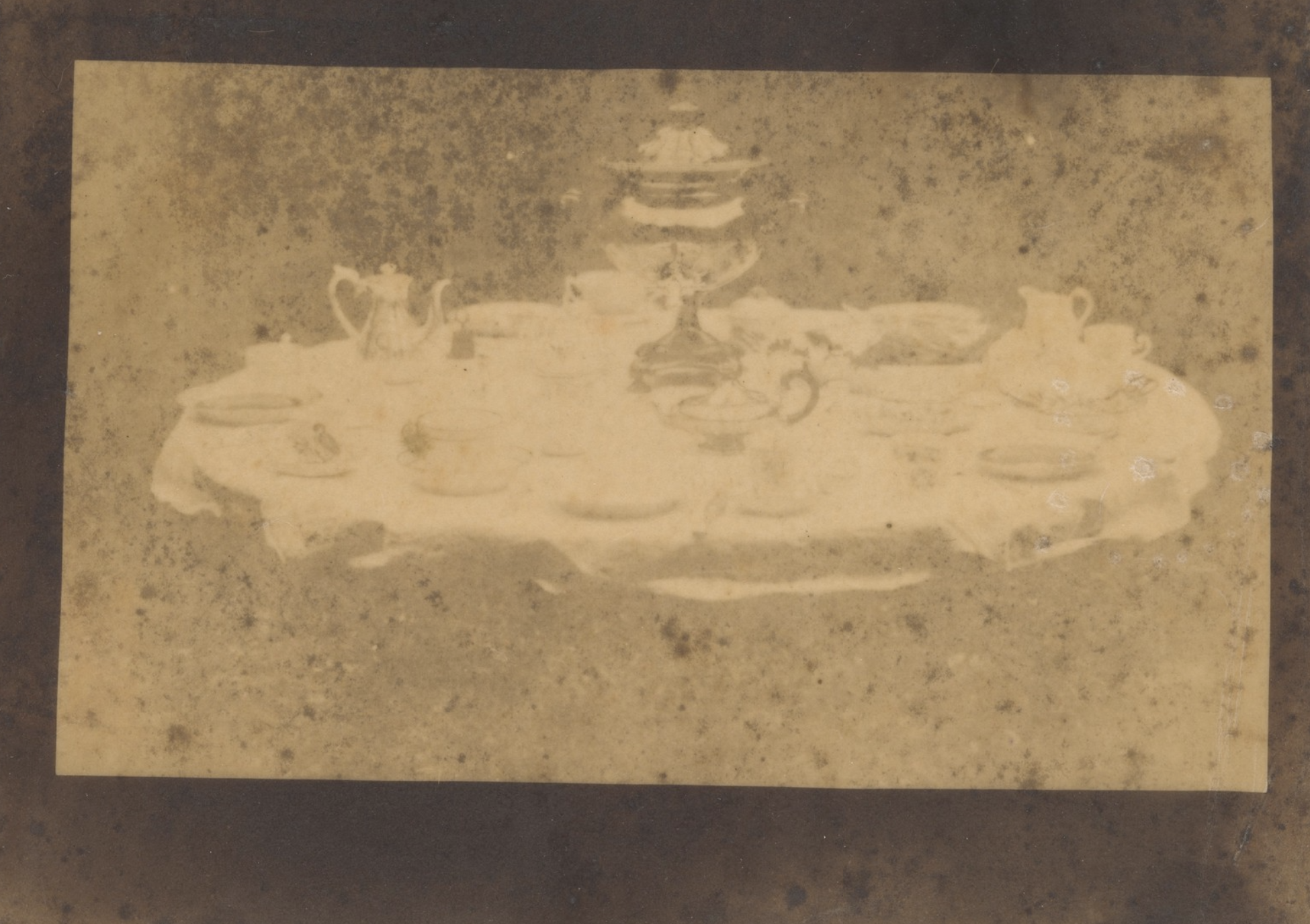
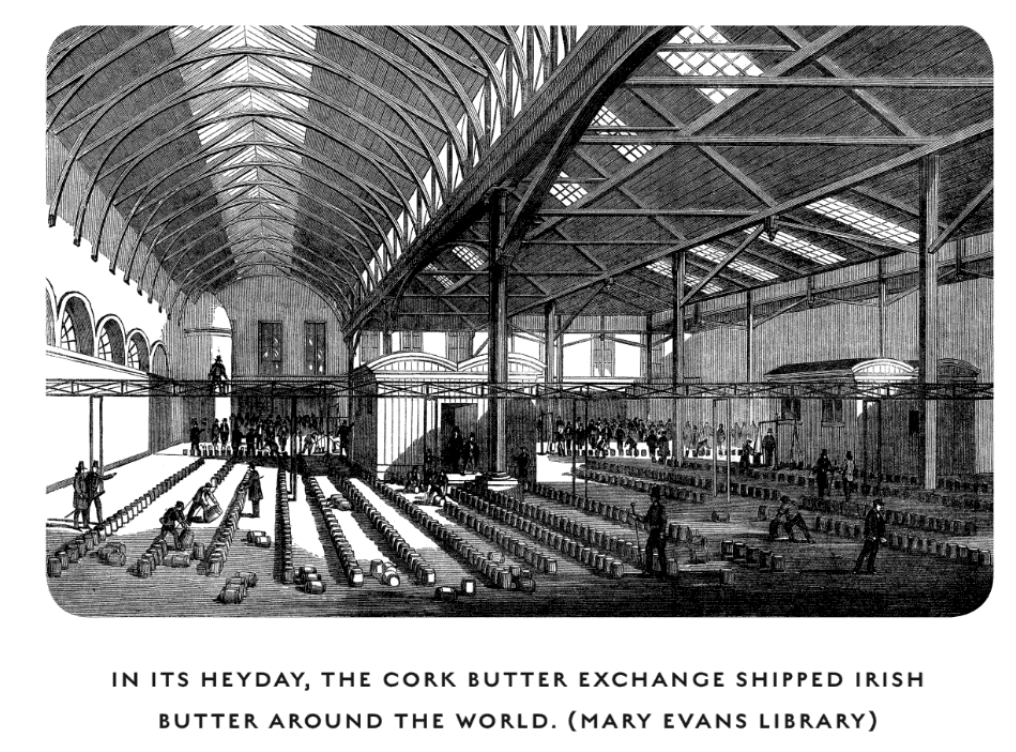
Of all the gastronomic tendencies of the Victorian era, butter was perhaps one of the most quintessential — nothing was more out of place than a tea board with tea, sugar, and bread, but no pat of butter. A staple for small meals, butter transcended the class structure. It could be found in the calloused hands of a factory worker, scraping a thin, adulterated layer onto a stale roll; yet it was just as apt to be thickly slathered on hot bread served fresh at a luxurious dinner party.
The cultural and social elements of butter, however, were at the surface of a much more vast history involving production, economics, and maintenance. During the 19th century it was common for butter to be produced in Ireland before being transported to England. Spoilage was therefore a concern, and it was common practice to salt the insides of butter tubs heavily to keep it from going rancid. Women, who bore the responsibility of managing food and drink, were often advised by etiquette manuals to buy butter in small quantities to prevent it from spoiling. All of these factors resulted in the small pat of butter that sat upon the tea board in the Victorian house, painstakingly prepared by many hands — from the Irish churn to the sterling silver butter knife, its eventual use would not just be a nutritional supplement, but a symbol of comfort.
First source: Beeton, Isabella Mary, and Jonathan Ingram. The Book of Household Management. 1861, Project Gutenberg, https://www.gutenberg.org/ebooks/10136.
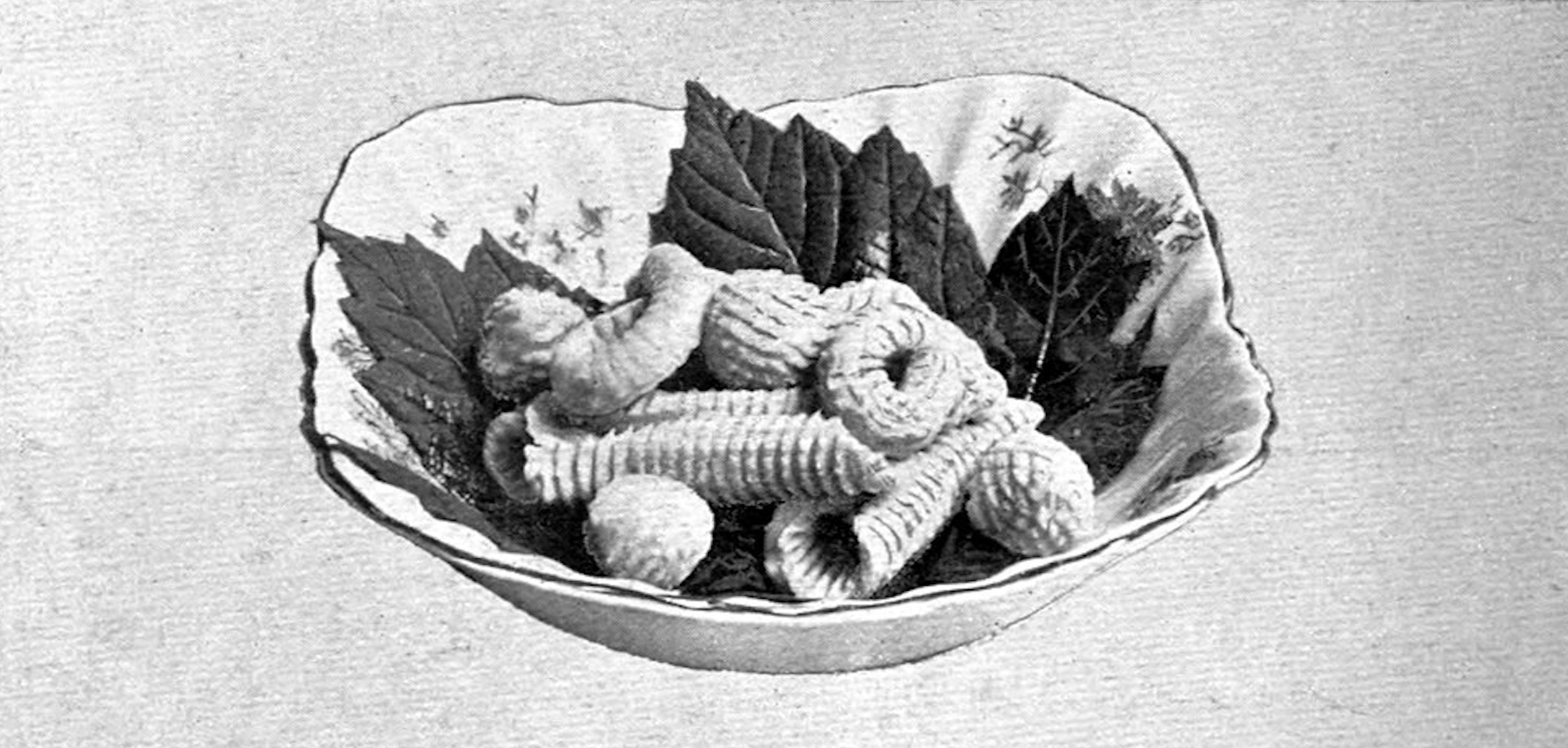
Written in 1861, The Book of Household Management is an exemplary manual for etiquette that a woman living in Victorian England might have perused for advisement on subtleties such as how to arrange butter into small, attractive curls, or what steps should be taken in order to make the ideal slice of buttered toast. The text is a primary source and will therefore demonstrate the nuances of Victorian society and how butter was regarded in a culinary sense.
Second source: Flanders, Judith. The Victorian House: Domestic Life from Childbirth to Deathbed. Harper Collins, 2003.
Flanders’s research on the domestic elements of Victorian life coincide neatly with the etiquette put forth in the above primary source, because it concerns similar topics yet approaches them from an investigative standpoint. In particular, her examination of the moral weight that accompanies different foods will shed light on the historical meaning of workers like Stephen Blackpool consuming fresh butter during a social event with guests.
Third source: Khosrova, Elaine. Butter: A Rich History. Melia Publishing Services Ltd, 2017.
The scope of Khosrova’s text is entirely pertinent to butter — this is beneficial to constructing an overview on the history and background of butter, and how it developed throughout the entire Victorian period. The inclusion of research on the transition of butter and its manufacturing from small, local creameries to industrialized factories during the 19th century is especially applicable to the context of Hard Times, due to the setting of Dickens’s novel.
Fourth source: Ruiz, Marta Nadales. Who Decides? Competing Narratives in Constructing Tastes, Consumption, and Choice. Edited by Nina B Namaste, vol. 97, Koninklijke Brill, 2018.
In order to apprehend butter as a more abstract symbol in Victorian culture, Ruiz’s text will be essential because of its focus on how the tea table, and all of its subsequent formalities like bread and butter, are a part of the overarching idea that it acts as a heterotopia: a place of “otherness” where classes fuse and all are equal. She includes interpretive discussions of literature that will also aid the conceptual understanding of butter.
Fifth source: Scola, Roger. Feeding the Victorian City. Manchester University Press, 1992.
Scola writes an analytical discourse on the economic history of food in Manchester, England, complete with figures, illustrations, maps, and tables. Preston, the locale that Charles Dickens used to sculpt his fictional city Coketown, lies a mere thirty miles from Manchester; therefore, the text will be particularly insightful for understanding the dairy industry that would have been influential in Hard Times.