
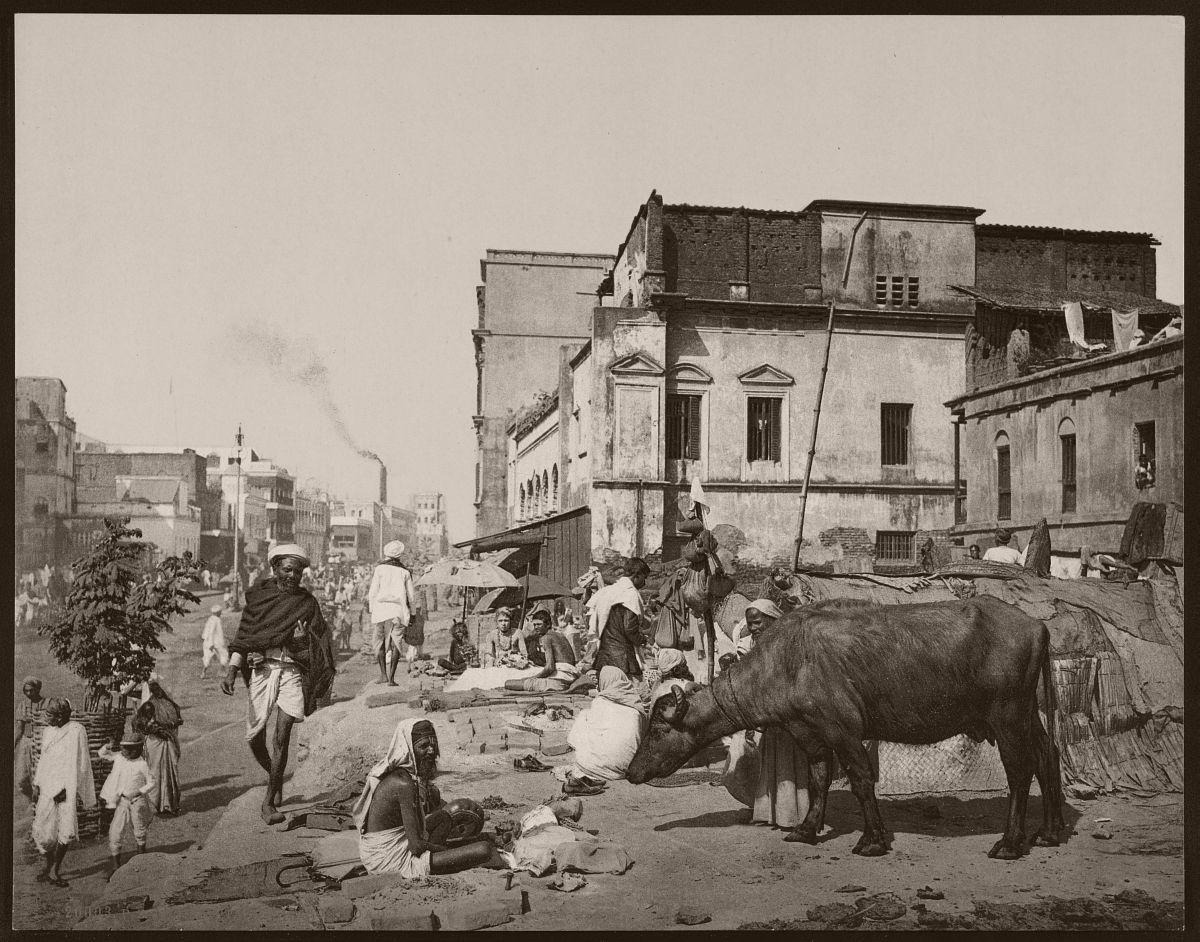
Calcutta is the capital of West Bengal state, and former capital (1772–1911) of British India. It is one of India’s largest cities and one of its major ports. A city of commerce, transport, and manufacture, Calcutta is the dominant urban center of eastern India.
Calcutta became the capital of British India in 1772 when the first governor-general, Warren Hastings, transferred all important offices to the city from Murshidabad. In 1773 Bombay and Madras became subordinate to the government at Fort William. A supreme court administering English law began to exercise original jurisdiction over the city as far as the Maratha Ditch. The abolition of inland customs duties in 1835 created an open market, and the construction of railways further quickened the development of business and industry. When Sen arrived at Durgamohan Das’ house in Calcutta, she was surprised at locals’ wealth and Western customs. These are likely the results of Calcutta’s highly developed economy and strong British presence.
The turn of the 20th century marked the beginning of a troublesome period for Calcutta. Lord Curzon, viceroy of India, partitioned Bengal in 1905. Insistent agitation led to the annulment of this partition in 1911, but at that time the capital of British India was removed from Calcutta to Delhi, where the government could enjoy relative calm. Meanwhile, as Calcutta’s population grew larger, social problems also became more insistent, as did demands for home rule for India. Communal riots occurred in 1926, and, when the nationalist leader Mohandas Gandhi called for noncompliance with unjust laws, riots occurred in 1930.
Sources:
“Kolkata”. Encyclopedia Britannica. https://www.britannica.com/place/Kolkata
Sen, Haimabati. Because I am a Woman.