
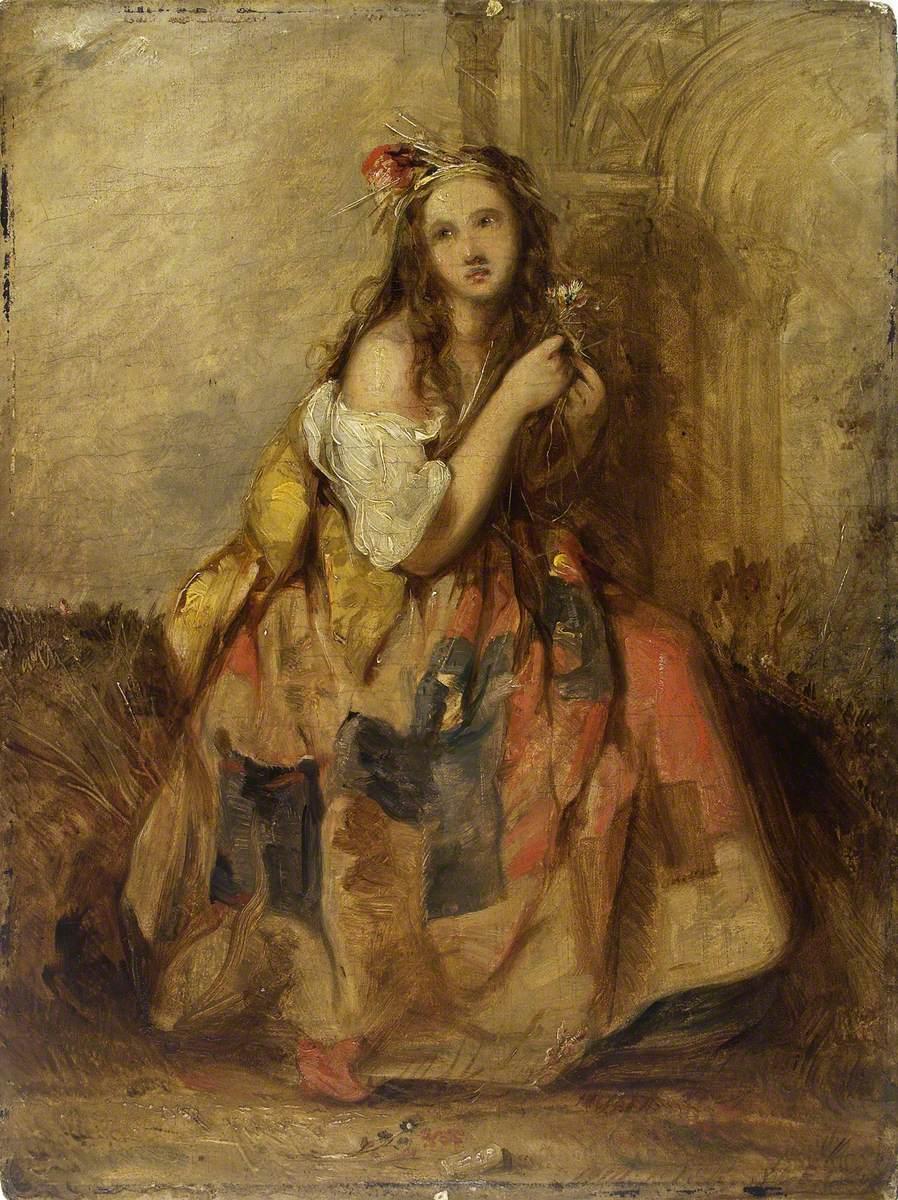

Our research demonstrated just how far misogyny stretched during the Victorian era. Not only were women locked into distinct societal expectations, but they could also be locked away for not abiding by them. It also reinforced that fear was the main force behind mental health treatment as well as other aspects of the misogyny women underwent. Men were so afraid of the differences between them and women that they enforced societal norms made to keep women in line. As a result, they continuously imposed their misconceptions about women’s mental and physical health into their treatment plans.
One emerging question about our topic was how did men’s mental health treatment differ from women’s. Women made up most of the population in asylums, but men still suffered from mental illnesses. How did their treatment line up with or oppose the treatments women underwent? Another question that emerged was how do other Victorian novels maintain or push back against female mental health conceptions of the time? Jane Eyre and Ruth Hall clearly uphold them; were these fears so internalized that they appeared in all texts discussing the issue, or are there some that stand up for women who suffer from mental illnesses?