
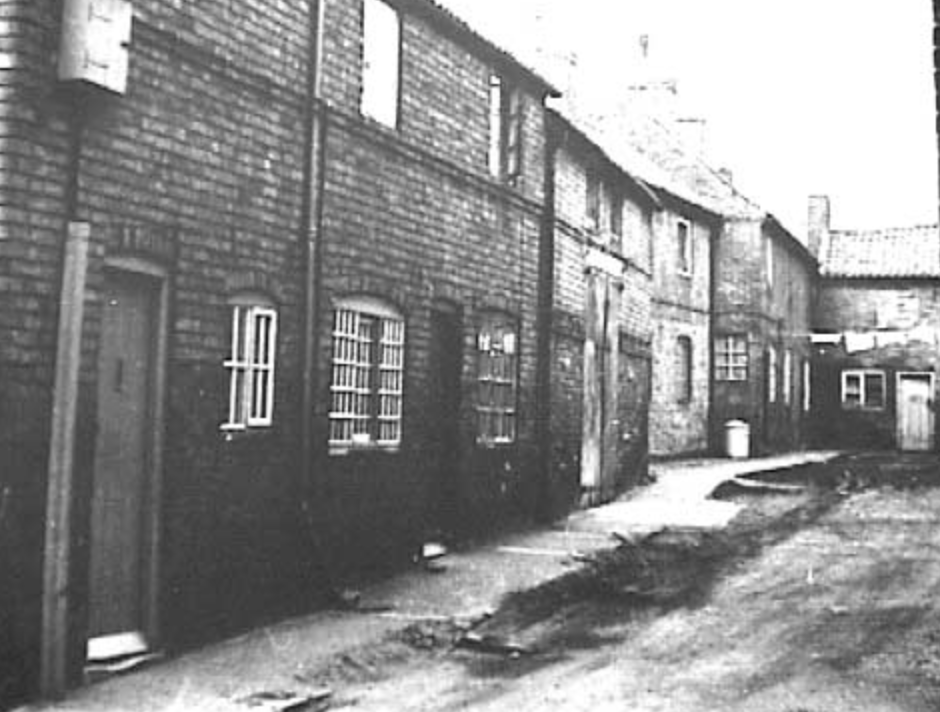
Character: This is a snapshot of the humble home that my sisters bought. Aunt Caroline spoke so poorly of us for purchasing this home as it is “unwomanly” as she put it. I agree and I would rather purchase a home with my future husband, however it is just short of dreadful living with Aunt Caroline. My help towards the home is the 50 pounds from my mother as my small income. This home was perfect for my sisters because it came with a built-in photography studio. I, on the other hand, will be spending my time in the sitting room mostly. In my mind, I needed to step up for my sisters. It was not my duty to run a business as that is not in my wheelhouse to accumulate wealth. I decided in this home to step up for my sisters and make sure the house was kept pristine at all times, so they can focus on the money making if those are the ends we have to meet. I find it quite odd that my sisters get customers and why people will ask such young girls to do a task that many other men on this street can do as well. Nonetheless, I wanted to keep a picture of our home to show all the things I go through for my sisters. If it weren’t for me they would not know how to keep up a home. Anyways, It beats living with Aunt Caroline for another second as she is always so cynical and depressing as if I’m not already mourning.
Editorial: This excerpt by fanny shows the traditional role she took on in the home of her and her sisters. This once again shows the contrast between Fanny and her sisters and that Fanny is more traditional and the others are more progressive in nature. Aunt Caroline also seems to imprint the girls with traditional views, but in a more pushy way. In the Victorian era typically, women stayed at home for their husbands and “it was a woman’s job to oversee the regulation of the household” (Boardman 150). During this time it was known that the men would bring in income and women were destined to control the maids and the children (Boardman 150). However, in this case only the Lorimer sisters are seen living in the home which makes this untraditional, but Fanny seemingly tries to make it as traditional as possible. This was supposed to be seen as a leisure activity that women wanted to do which is probably why Fanny seems so willing, and she knows her sisters will support her. It is known that in the Victorian era women get their wealth from the men in their life and since the death of their Father, there is no solid income left to get. “The Ideology of Domesticity” states, “the domestic ideal was far harder for poorer people” and it is evident to see this because the sisters are working for what “should” come from a man, but they instead have no choice due to their circumstances of their late father (Boardman 150). When unmarried girls are covered by their father they can remain stable, but when he passes women can not inherit much from their fathers except specific inheritances.
Boardman, Kay. “The Ideology of Domesticity: The Regulation of the Household Economy in Victorian Women’s Magazines.” Victorian Periodicals Review, vol. 33, no. 2, 2000, pp. 150–64. JSTOR, http://www.jstor.org/stable/20083724. Accessed 5 Oct. 2023. (scholarly)
Stewart, Suzy. "Victorian Houses and Where Victorians Lived". Victorian Children, https://victorianchildren.org/victorian-houses-how-victorians-lived/. Accessed 5 October, 2023.