
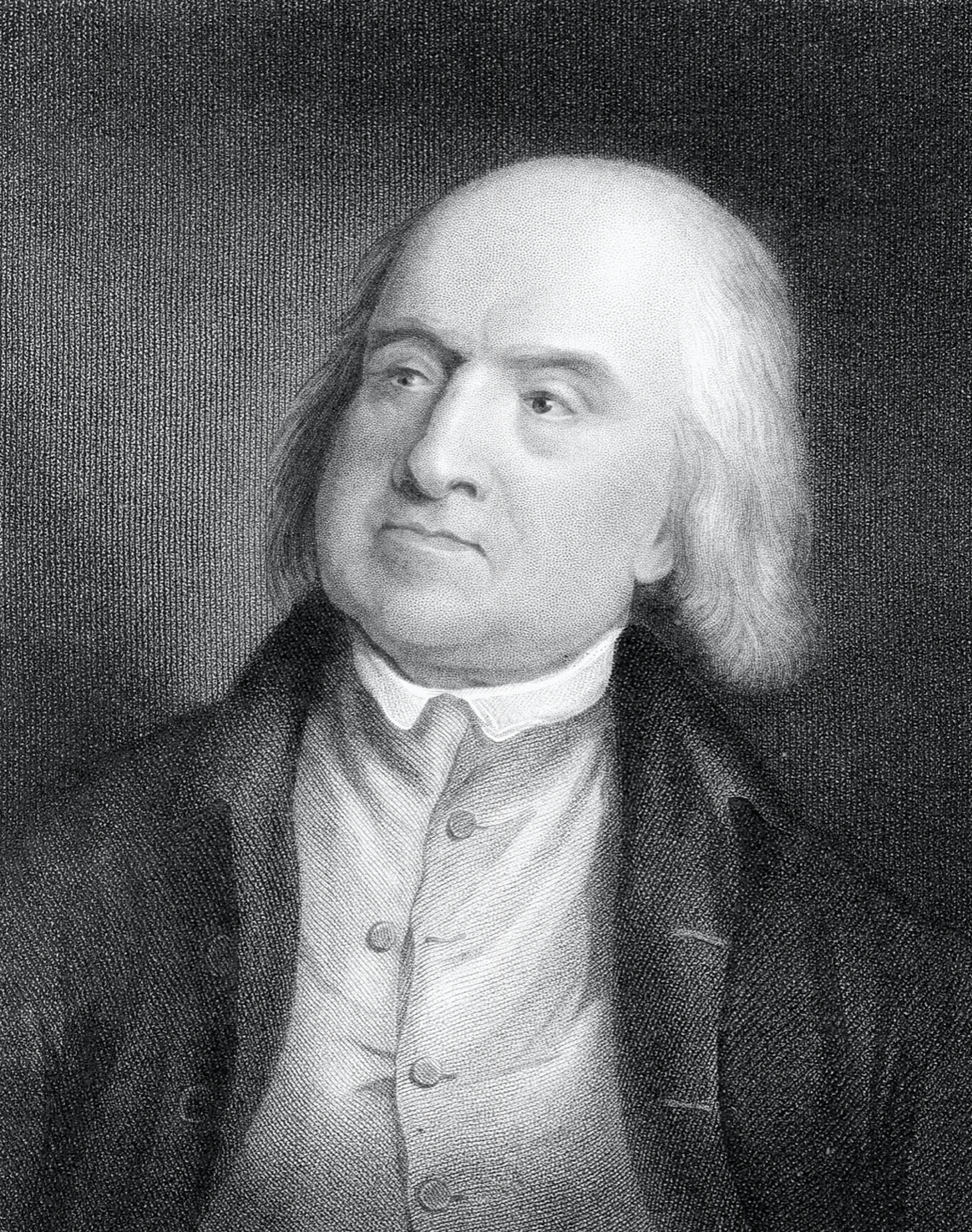
Jeremy Bentham’s The Rationale of Judicial Evidence was first published in 1827 with the guidance of John Bowring. Bentham was the son of an attorney and dedicated his career as a political philosopher to advancing scientific theories of human behavior. He posited that societies that adopted utopian welfare systems would be the most effective, and that subjective emotions can be examined through an objective lens. In The Rationale of Judicial Evidence, Bentham discussed matters relating to the separation of church and state, slavery’s abolition, law reform, and undertones of equality between men and women. In essence, Bentham moved away from "common law" and approached law with a rationalist mindset.
Mill’s autobiography contains a section titled “Preparing for the Rationale of Judicial Evidence.” He writes that Bentham believed that Mill was “as capable of preparing them for the press” and that this task had “occupied nearly all [his] spare time for about a year” (Mill 109). While Mill is not listed as an author of the final work, he heavily edited and shaped the piece: “he “read the most authoritative treatises on the English law of evidence, and commented on a few of the objectionable features of the English rules that had escaped Bentham’s notice” (Mill 109). Mill also expanded upon the Bentham’s theories, including information about improbability and impossibility. Thus, Mill became knowledgeable of the law and his comments suggest that he believed himself to be just as capable as, if not even more capable than, Bentham. Examining this piece in detail shows how helping Bentham changed the course of Mill’s own writing. It also suggests that law may have been more of an influence on his philosophy than other sources, as he spent an entire year on this work yet never received the recognition he deserved. Finally, as Mill did not directly write about judicial law, one can gain a sense of Mill's outlook by examining Bentham's piece.
Bentham, Jeremy. The Rationale of Judicial Evidence: Specifically Applied to English Practice. London: Hunt and Clarke, 1827. <https://books.google.com/books/about/Rationale_of_Judicial_Evidence.htm…;.