
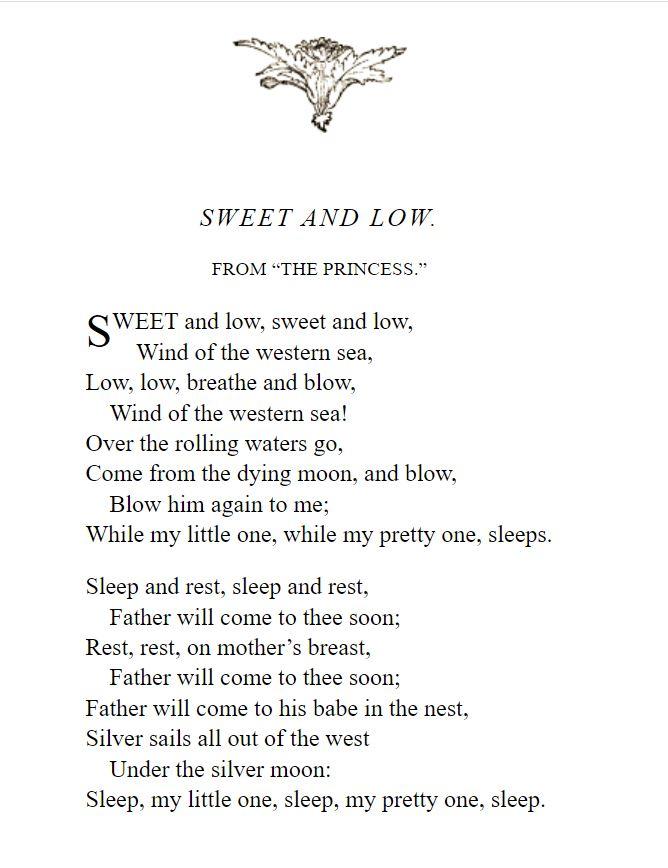
The sweet sound of my mother singing soothed me in my sleep as I stared at the grand chandelier above me. The memories of her beautiful hair and slightly blurred face comes back to me as I recall the music sheet of the lullaby she sang me. I’ve always heard great things about my mother growing up. She passed away when I was three years old and was known to be the lady of the household. My mother was named Elise Wetherstone and carried an air of grace wherever she walked. She was seen as the ideal woman- gentle, kind, and sacrificed everything for my father. My mother had me when she was just twenty years old and came from a poor family. My father’s parents were against their marriage and shunned him if he ever became wedded to her. However, after their marriage and the success of my father, they finally accepted and took her in as a part of the family. The song reminds me of the sadness in her voice as she sang me to sleep. I never understood the meaning of the lullaby growing up, but now I do. It is about a mother reassuring their child about their father coming back. It mirrors my mother’s family with the little information I know. Her father passed away when she was young and her mother sang the lullaby to her too. I keep the music sheet with me at all times just in case I forget the memory of my mother as I grow older. The pain I feel after my marriage fades away when I recall her soothing voice.
Voice of 21th Century Scholar: The music sheet collected is a lullaby from the Victorian era. The poem is called “Sweet and Low” by Alfred Lord Tennyson and was written to comfort the audience. The poem is about a woman that longing for her lover while soothing her baby through a lullaby. The desperation is seen in the lyrics of the song, as she sings “come from the dying moon and blow, blow him again to me.” The meaning implies that her lover is away or out in the war. She simplifies the words and repeats rhythms and patterns so a child can understand. She sings for her to bring comfort to her child as well as she expresses her longing. The song relates to gender roles in a domestic way. The lullaby fits the gender roles of women during the Victorian era, as the woman is the one taking care of her child while the husband is away. The lyrics display the longing she has and the dependency on her lover. She convinces her baby that their father will be back soon as the man of the household. She sings that their family will be whole again and not have them worry. Seen in her journal, Lilith collected the music sheet as a longing for her mother. Because she passed away when Lilith was young, she wanted to keep the lullaby as it was the only memory she had. It also demonstrated the domestic role that women had in society. Lilith’s mother fit into the motherly role of being the one that took care of her daughter.
Citation: “Victorian Songs- Lyrics of the Affections and Nature.” Edited by Edmund H. Garrett, Victorian Songs, Project Gutenberg License, 28 Sept. 2008, www.gutenberg.org/files/26715/26715-h/26715-h.htm.