
Tuberculosis is a respiratory disease also known as TB and Pulmonary Consumption. It has likely affected humans for over 3 million years. During the 1600s to 1800s in Europe, it caused about 25% of all deaths and was known as the white plague. However, TB was fairly rare in India at the beginning of the 19th century. As the century progressed, TB became more and more common, often infecting primarily English soldiers and their families.
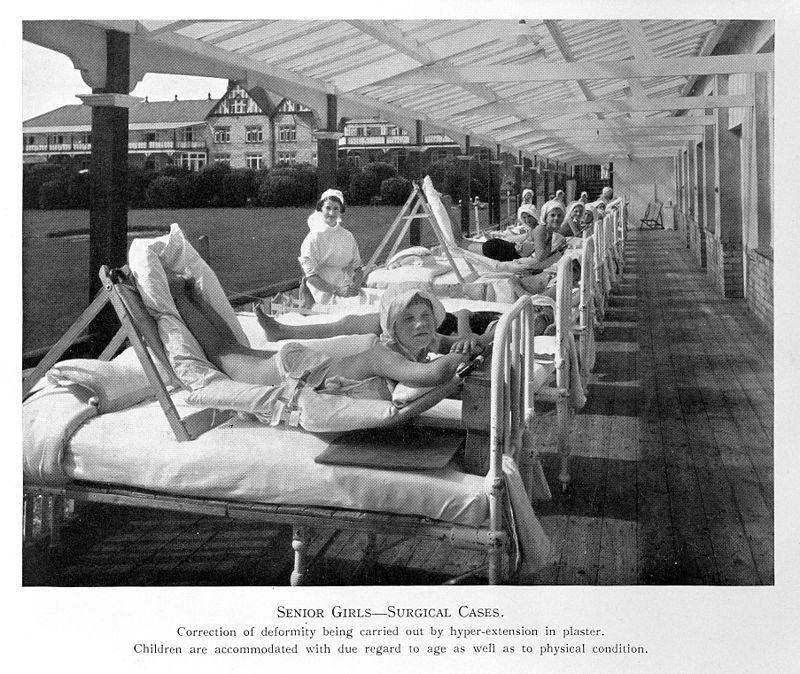
Before the invention of antibiotics in 1940, tuberculosis was treated with rest, warmth, good food, and often changes of climate. Following the practices invented in the US and Europe, tuberculosis sanatoriums were opened in India at the beginning of the 20th century. These were places where TB patients could go for treatment which included fresh air, good food, and occasionally surgery. Staying at sanatoriums was often very expensive, and the number of beds available was far fewer than needed.
Haimabati Sen’s memoir mentions treating a woman, Prakash Babu’s wife, with tuberculosis even before she became a doctor (page 115). This woman was pregnant and died seventeen days after delivering her child. It was unclear whether the doctor here did anything to help her at the time, indicating the TB was likely seen as a death sentence at this time.
SOURCES
https://www.cdc.gov/tb/worldtbday/history.htm
https://www.pbs.org/wgbh/americanexperience/features/plague-gallery/