
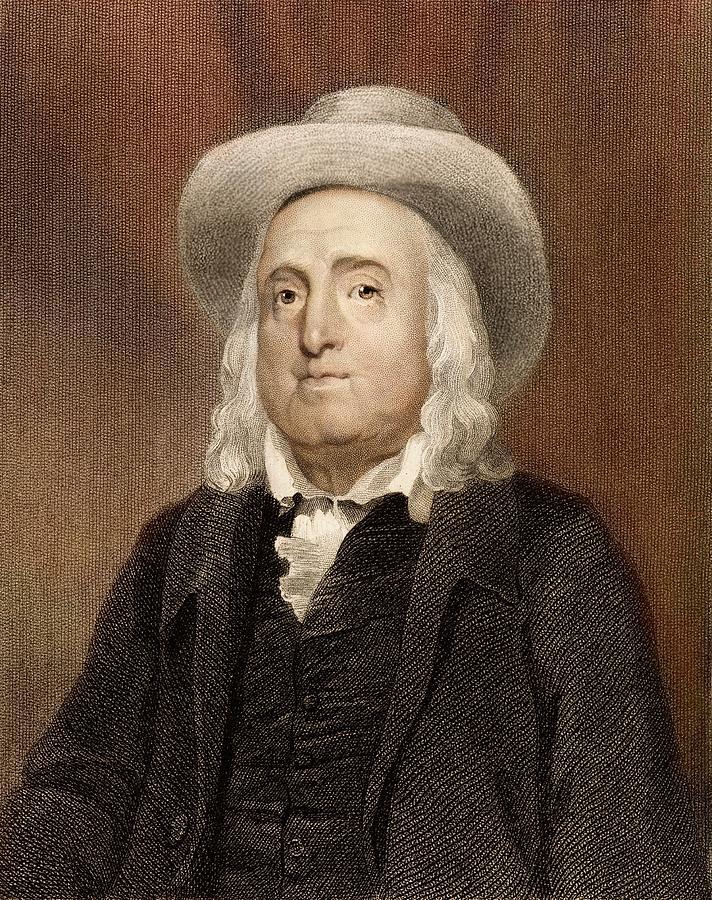

Utilitarianism is considered one of the most powerful and persuasive approaches to normative ethics. It is generally held to be the view that the morally right action is the action that produces the most good. One characteristic that distinguishes utilitarianism is its consequentialist premise: the right action is understood entirely in terms of consequences produced. Utilitarianism is also distinguished by impartiality and agent-neutrality. Everyone’s happiness counts the same, and it does not matter who maximizes the good.
The classical utilitarians, Jeremy Bentham and John Stuart Mill, identified the good with pleasure. They also held that the society ought to maximize the good, i.e. bring about “the greatest amount of good for the greatest number”.
In his Autobiography, Mill wrote that in early years, he believed that Bentham had superseded all previous moral philosophers, and propagating Benthamism would be his pursuit in life. However, he gradually began to depart from Bentham’s view, especially on the nature of happiness. To this end, Mill was influenced by perfectionist intuitions. In stark contrast with Bentham’s “egalitarian” view on pleasures, he believed that there are some pleasures that are more fitting than others. Intellectual pleasures are higher and better than the ones that are merely sensual, and that people share with animals.
After classical utilitarianism, utilitarian doctrines were modified and refined by theorists such as Henry Sidgwick and G. E. Moore.
Sources:
“The History of Utilitarianism”. Stanford Encyclopedia of Philosophy. https://plato.stanford.edu/entries/utilitarianism-history/#IdeUti
Mill, John Stuart. Autobiography.