
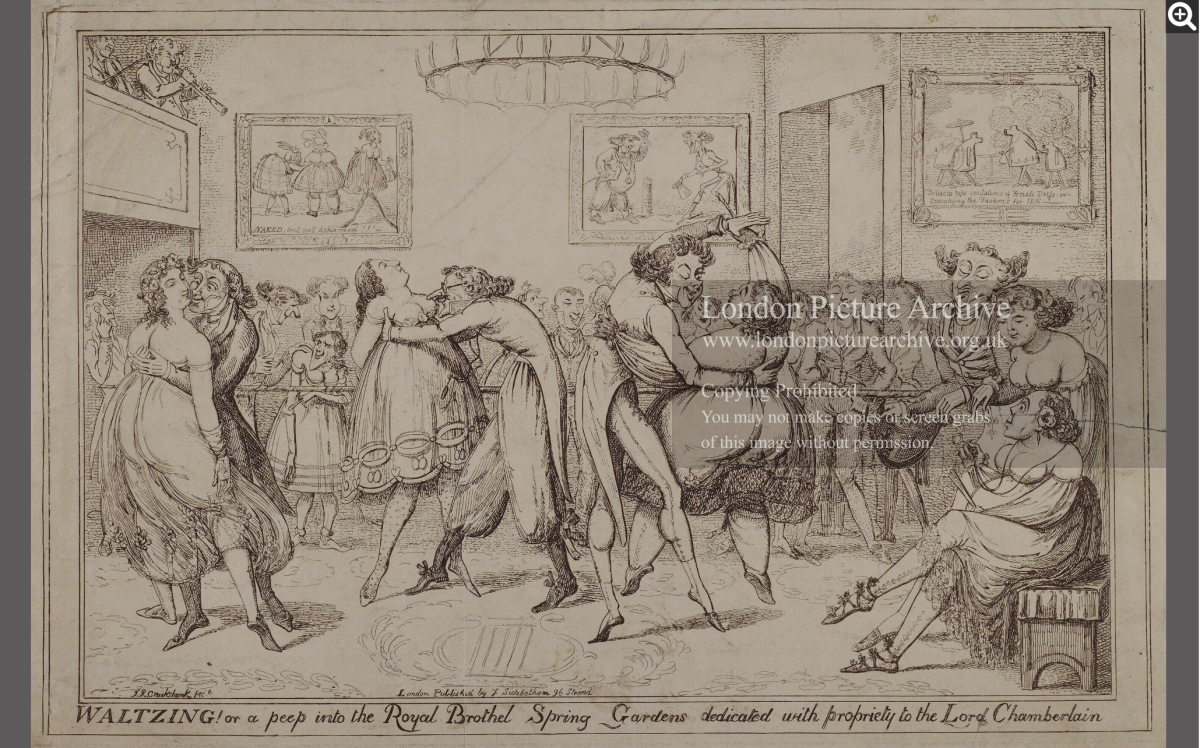
Vivie: In my tender years, I roamed the world estranged from my mother's embrace, finding solace within the shelter of foster homes. But on a recent visit to her abode, I found myself inquiring about her life. To my astonishment, she confided in me the nature of her occupation, the proprietor over an establishment known as a brothel. My innocent heart quivered, for I possessed no inkling of such an enterprise. Seeking enlightenment, I questioned the townsfolk, who, with a knowing nod, directed me toward the Royal Brothel over in Spring Gardens. There, before even stepping through the curtained doorways, my gaze beheld an image portraying “a peep into the Royal Brothel." I was appalled. Is this the sole worth of a woman in our society's eyes? To be mere instruments of pleasure for men? My spirit bled for the women ensnared within such an existence. Should they not strive for an education and toil diligently instead of surrendering their body to men? Amid my disdain for those who toiled within the brothel's confines, I harbored no shame for my own mother, who presided over the establishment as a businesswoman. Rather than settling for a career of a prostitute, her tenacity elevated her to its proprietorship. Moreover, it is her hard-earned wealth that pays my education at the esteemed University of Cambridge. How could I dare to voice my discontent? Despite my disgust, I comprehend the reasons that may lead women down this harrowing path, for society has long conditioned women to stay away from hard work, confining us to domesticity, and hindering our pursuit of knowledge. I yearn for a day when more women seize control of their destinies, as I have, and carve grander aspirations in life.
Commentary: Upon reviewing Vivie’s commonplace book entry, it is understandable why she resonated with this image. Vivie shares how she has been in foster homes for most of her childhood, so she felt she needed some closure about who her mother is. Vivie’s mother tells her that she owns and operates a brothel. With no knowledge about what a brothel is, she asked townsfolk what it was. They directed her to the Royal Brothel at Spring Gardens, where she saw this image. She felt disgusted by the fact that women had to resort to prostitution to earn money and began to question the status of women in society. Though police in London were only aware of around 8,600 prostitutes, the number of prostitutes was closer to 80,000 (Rogers, 2003). This number helps put in perspective the situation for women during this period. Moreover, there were fewer rights granted to women during this period such as suffrage, further perpetuating the idea that women are of low value in society, forcing many women to settle for jobs like being a prostitute. To a person who could chase an education and pursue a career, prostitution would never be a reality for them. Therefore, Vivie’s reaction to the idea of prostitution is expected. However, she took a step back and realized without the encouragement to pursue an education or get a job, numerous women had no choice other than selling their bodies for money. She states at the end of her entry that she hopes more women aspire to break free from the situation they are in. The current female employment rate was 72.3% compared to the male employment rate of 79.0% (UK Parliament, 2023), indicating women have come very far since the 1800s.
Works Cited
Buchanan, Isabel. “Women and the UK Economy.” UK Parliament, 3 March 2023, https://researchbriefings.files.parliament.uk/documents/SN06838/SN06838…
“People at Spring Gardens.” London Picture Archives, 1816, https://www.londonpicturearchive.org.uk/view-item?i=16175&WINID=1698867…. Accessed 12 October 2023.
Rogers, Jane. “How Widespread Were Concerns about Prostitution?” The Victorian Web, 27 May 2003, victorianweb.org/authors/dickens/rogers/3.html.