
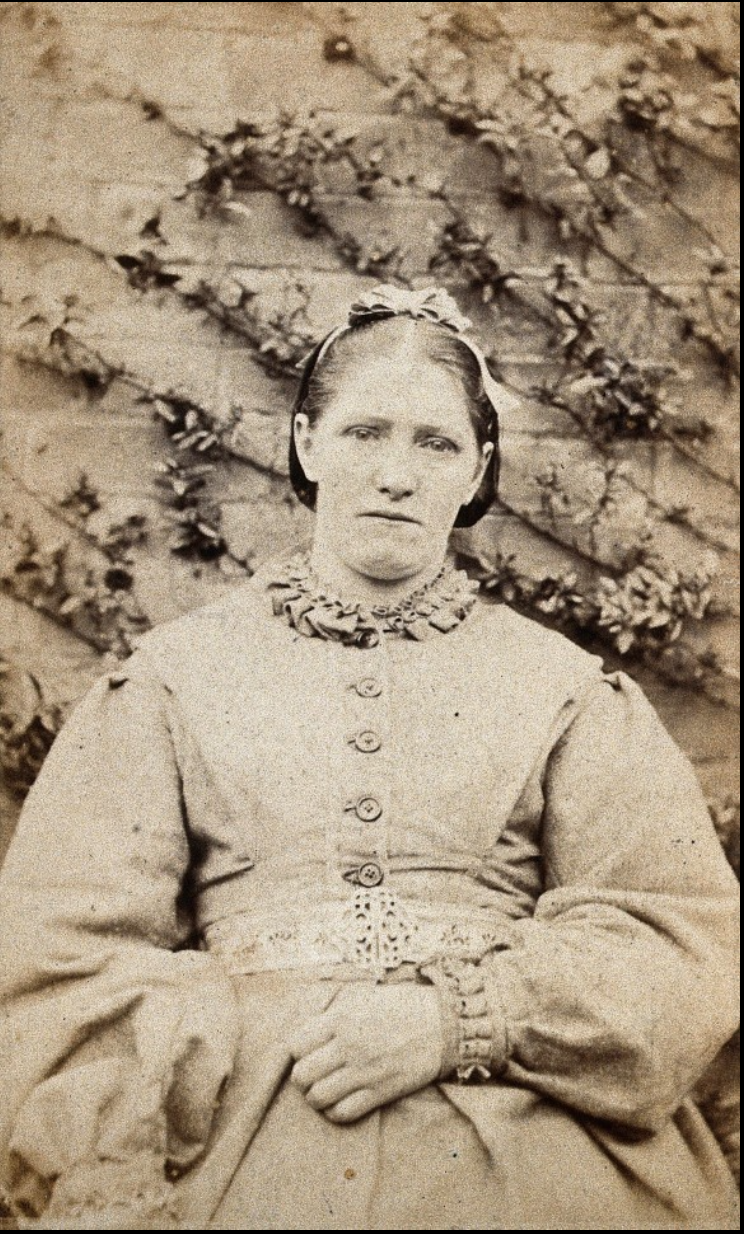

The same kind of internalized misogyny is evident in Fanny Fern’s Ruth Hall, most notably in the chapter in which Ruth visits the insane asylum. The narrator seems to disapprove of the treatment of a woman who has been separated from her child and is unbalanced at least partially as a result, but we are also told that this woman is “...a sight of trouble to manage,” and liable to “spring at [children] through them bars like a panther,” (Fern 111). And, only a few paragraphs later, the narrator says of Ruth, “Well might she shudder, as the gibbering screams of the maniacs over head echoes through the stillness of that cold, gloomy vault,” (ibid). In other words, here, too, women with mental illness are once more portrayed as terrifying and only quasi-human, and, furthermore, it is the female matron and the presumably female narrator who do so. This seems odd in some ways, but it is an interesting parallel with Jane Eyre. Perhaps both texts were simply too much a product of the culture of their time to allow their female characters and narrators to care whole-heartedly about other women, especially those with mental illness.