
"Frida Kahlo's 'The Broken Column': A Timeline of Pain, Resilience, and Artistic Expression"
Created by Hailey Burchfield on Wed, 04/09/2025 - 18:22
This timeline provides a sociohistorical context for Frida Kahlo’s 1944 The Broken Column.
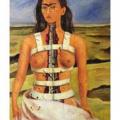
Kahlo, Frida. The Broken Column. 1944, Museo Dolores Olmedo, Mexico City. Frida Kahlo: The Complete Works, www.fridakahlo.org/the-broken-column.jsp. Accessed 9 Apr. 2025.
Timeline
Chronological table
| Date | Event | Created by | Associated Places | |
|---|---|---|---|---|
| circa. The middle of the month Autumn 1925 to circa. The middle of the month Autumn 1925 |
Frida Kahlo's Bus Accident (1925)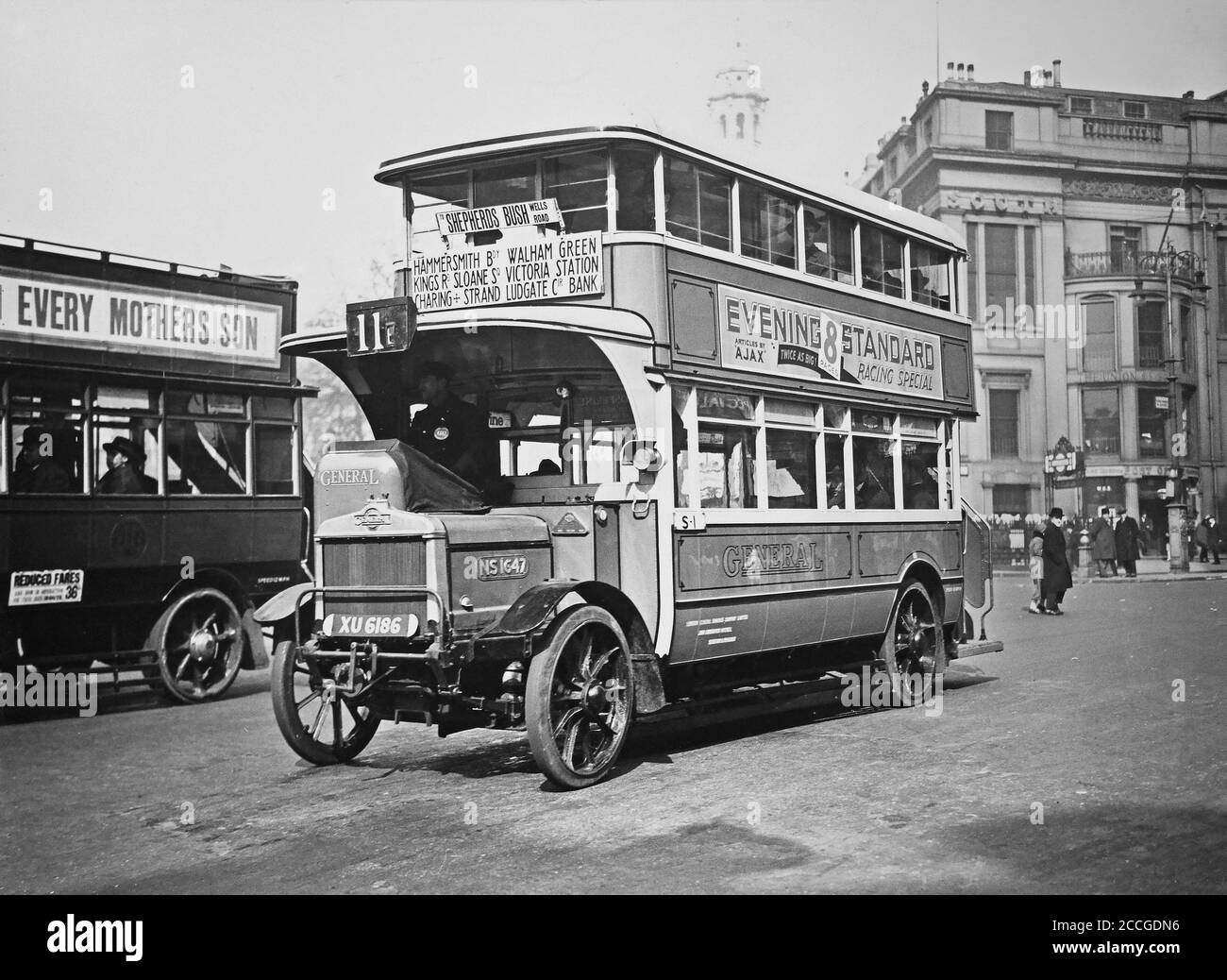 Frida Kahlo's Bus Accident (1925) On September 17, 1925, at the age of 18, Frida Kahlo was involved in a catastrophic bus accident in Mexico City. The collision resulted in severe injuries: a broken spinal column, collarbone, ribs, pelvis, and multiple fractures in her right leg. An iron handrail impaled her abdomen and uterus, causing lasting damage. This traumatic event marked the onset of lifelong health complications and chronic pain for Kahlo. During her prolonged recovery, confined to bed and encased in body casts, she began to paint, using art as both a refuge and a means of self-expression. This period was pivotal in her development as an artist, laying the foundation for her future works that often delved into themes of suffering and resilience. |
Hailey Burchfield | ||
| circa. 1942 to circa. 1945 |
Mexico's Involvement in World War II (1942-1945) During World War II, Mexico played a significant role by contributing resources and military support to the Allied forces. In 1942, Mexico declared war on the Axis powers following the sinking of Mexican oil tankers by German submarines. The nation supplied essential raw materials and formed the Mexican Expeditionary Air Force, known as "Escuadrón 201," which actively participated in combat missions in the Pacific theater. This period fostered a sense of national pride and unity but also introduced internal challenges, including economic strains and social changes. The war effort influenced various aspects of Mexican society, including its cultural and artistic expressions |
Hailey Burchfield | ||
| circa. The start of the month Spring 1944 to circa. The start of the month Spring 1944 |
Event 2: Frida Kahlo's Spinal Surgery (1944)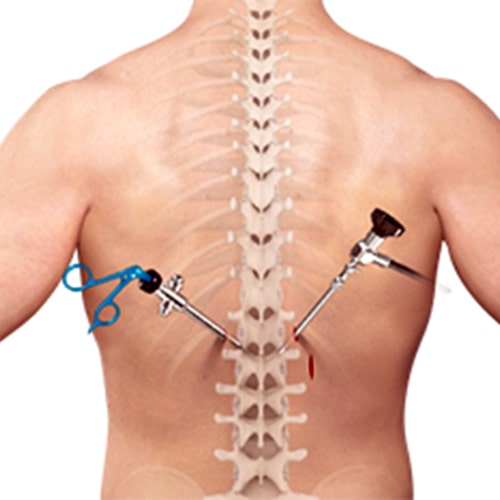 In an attempt to alleviate her persistent back pain stemming from the 1925 accident, Kahlo underwent spinal surgery in 1944. The procedure involved the implantation of a steel support to stabilize her spine. Unfortunately, the surgery did not yield the desired relief and instead exacerbated her discomfort. Post-surgery, she was required to wear restrictive orthopedic corsets, which were both physically and emotionally taxing. This experience intensified her sense of isolation and despair, profoundly influencing her artistic expression during this period. |
Hailey Burchfield | ||
| circa. 2025 to circa. 2025 |
Interpretation of 'The Broken Column' in Light of These Events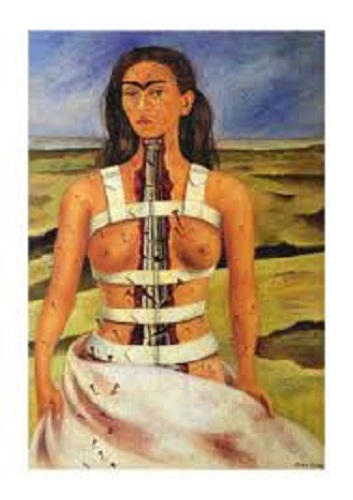 Interpretation of 'The Broken Column' in Light of These Events The reason that I offered that background concerning those three events is because it helps me to explain what The Broken Column was doing socially, culturally, and politically when Frida Kahlo created it. Painted in 1944, shortly after her spinal surgery, the artwork serves as a visceral portrayal of Kahlo's enduring physical and emotional torment. The central imagery—a fractured ionic column replacing her damaged spine—symbolizes her physical instability and vulnerability. The nails piercing her body echo the constant pain she endured, while the desolate landscape reflects her feelings of isolation. Kahlo's personal suffering is juxtaposed against the backdrop of a nation grappling with its own challenges during World War II. While Mexico was asserting its strength and solidarity on the global stage, Kahlo was confronting her individual battles with frailty and confinement. This contrast underscores the multifaceted nature of resilience—both on a personal and national level. Furthermore, Kahlo's choice to depict herself in a surgical brace, openly showcasing her injuries, challenges contemporary notions of beauty and strength. By confronting her pain head-on and immortalizing it on canvas, she reclaims agency over her body and narrative. This act of self-representation not only provides insight into her personal experiences but also serves as a broader commentary on human suffering and perseverance. Frida Kahlo's Biography (Britannica): Mexico's Role in World War II (History.com): |
Hailey Burchfield |