
Illegal Organ Trade
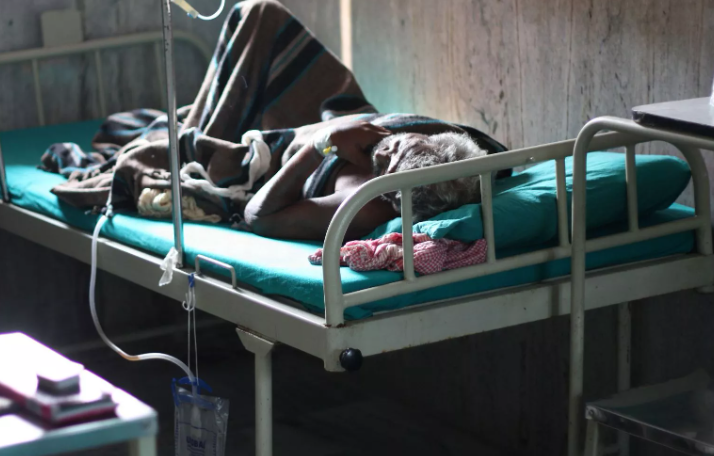
1. In the 1980s and 1990s, illegal international organ trade was exposed as a growing event. This trade involved wealthy patients buying kidneys and other organs from donors in poverty and less developed nations. Journalism is what initially exposed the event and reports such as those in the UK press in the early 1990s described disturbing cases where vulnerable people were financially influenced into selling their organs for a fraction of the price the patient paid. This raised many questions about global health inequality and the exploitation of the poor to solve the organ shortage crisis in Western parts of the world.
2. The illegal organ trade is an example of the real-world horror that the novel represents as the clones and donor program as a whole. The novel's society creates the clones as a controlled program for a supply of organs, which allows the "normal" people in society to feel morally and ethically safe, knowing they aren't relying on exploited poor, foreign donors. This helps highlight the critique that Ishiguro is making that the creation of clones, no matter how "safe", is just a substitution of one form of exploitation of the poor for another of the genetically engineered. The problem of a lack of organ donors being solved through the exploitation of the marginalized remains the ethical issue and fear.
3. Textual Information: Crane, Jenny. “Organ Donation, a Cultural History.” People’s History of the NHS, peopleshistorynhs.org/encyclopaedia/organ-donation-and-the-nhs/.
Image: Harrowing photos capture the chilling underground world of the illegal organ trade - Mirror Online