
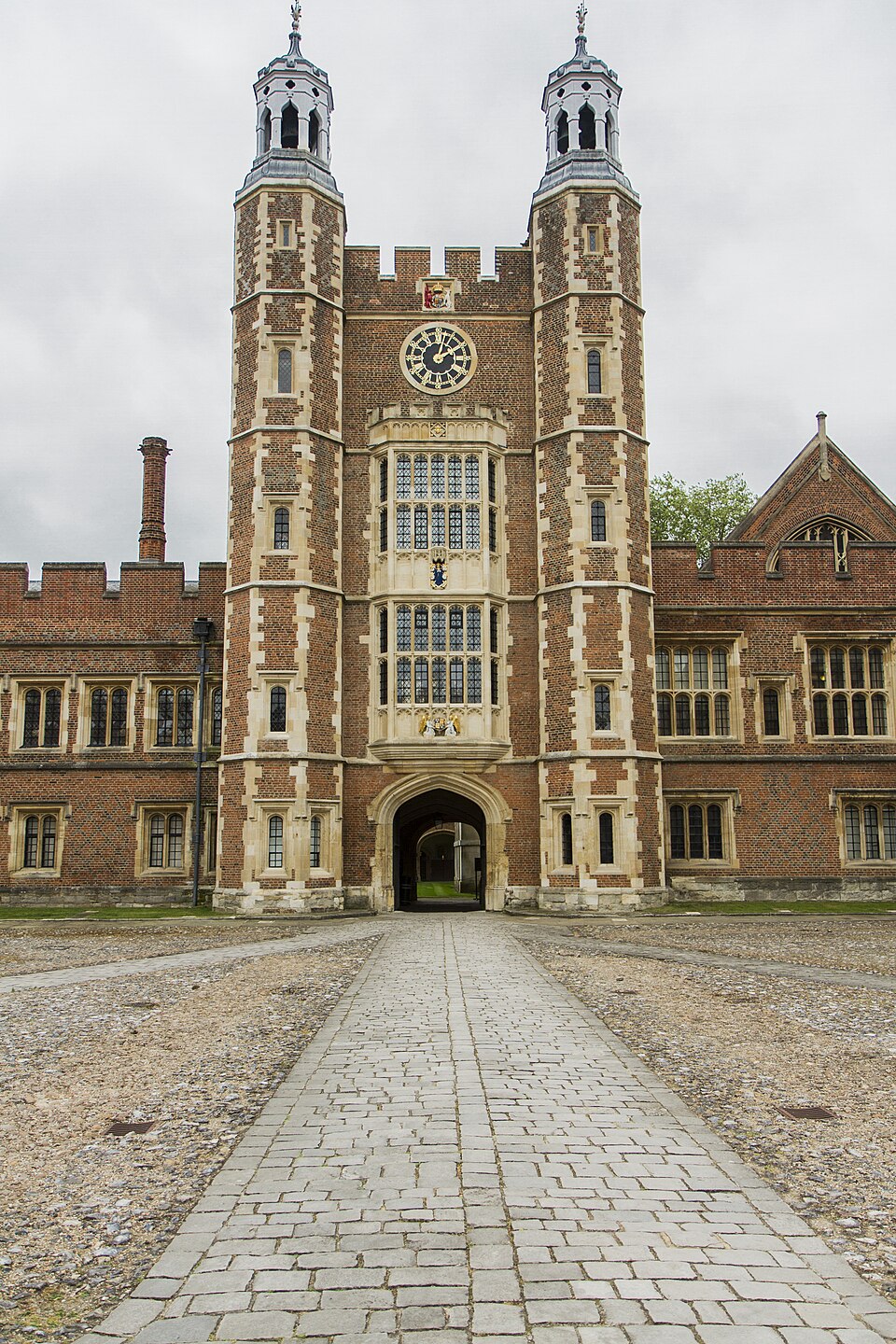
Historically, boarding schools in general have been considered “elite,” with only wealthy families being able to afford to have their children attend. A practice that has been around since the British empire, today, the elitism of British boarding schools and their high price attract wealthy foreign families. In 2013, “32 per cent of the UK’s boarding school pupils are non-British nationals with parents living overseas, according to the Independent Schools Council, the representative body for the UK’s independent education sector” (Jacobs). The Independent Education Consults says that the appeal of boarding schools has to do with a centuries-long legacy of academic rigor, excellence, and opportunity. The eliteness that boarding schools establish, through their name and high price tag, establishes an “otherness” between social classes. While the wealthy can afford to send their children off to schools in other countries, hoping to receive a world-class education along with an abundance of opportunities, middle- and lower-class families end up sending their kids to public institutions. While public schools still provide quality education, they don’t come with the status or title of boarding schools.
Independent Education Consultants. “The Appeal of Elite Boarding Schools in the UK, USA or Switzerland….” IndependentEducation, 11 Mar. 2026, www.independenteducationconsultants.co.uk/the-appeal-of-elite-boarding-…. Accessed 20 Apr. 2026.
Jacobs, Emma. “Lessons in Britishness.” Ig.ft.com, 2013, ig.ft.com/sites/2015/special-reports/lessons-in-britishness/.
"Eton College front 1" by Evka W is licensed under CC BY-SA
