
By Austin O'Brien
"To Penshurst", a poem by Ben Jonson, is a genre of poem titled "Country House," where the poet goes into great details about the house that his Lord lives in and describes its splendor in avid detail. Jonson's Lord, The Sydney family, received the poem as a descriptor of their estate and an overexaggerating of the beauty of the land itself. He spends the poem complimenting the Lord's land and their efforts that go towards it. He also expands by discussing what is brought to the land’s feast in “To Penshurst,” mostly man-made items such as cake and cheese. It emphasizes the importance of human intervention within the land to make it truly beautiful. The fact that the lord is allowing this to happen shows his ability to bring people together for a common good. The descriptor describes the land almost as an Arcadian style of environment brought to life; however, it’s not in a way that makes it seem like a perfect man made building, rather its more rustic natural style of design gives it a better look to Jonson. It shows simplicity rather than grandness, and that greatly emphasizes the design of the location. Of course the text was overexaggerating but it doesn't downplay the efforts that the Lords made to preserve their land. This was a common theme among writers in the Country House genre. Many of the "descriptive landscape poems" were tributes to lords, such as Thomson and his tribute poem "Spring" in "The Seasons."
Two of the largest old interpretations of villas come from other authors we have read in this course: Martial and Horace. Their interpretations of the genre were unique, Martial believed in the idea of the working country villa with strong ties to community and farming. The suburban villa was a common theme of Martial's ideal country house as community ties were strong between the land owner and those who cared for the land. Jonson incorporates this theme into his poem. He includes descriptions of the various members of the community and how they are provided for at Penshurst. The speaker of the poem even claims "That is his lordships, shall also be mine" (Jonson 264). The people who work the land feel a strong tie to the land owner, and they know that they are provided for. He continues to say that he does not need to pray for what he needs, because he knows it will be there for him at Penshurst. Horace believed in the celebration of a working paradise, almost tied to the mythical Arcadia, where everything was perfect. It was more focused on the beauty of the land to be even more grandeur than the ways of older renditions of country houses.
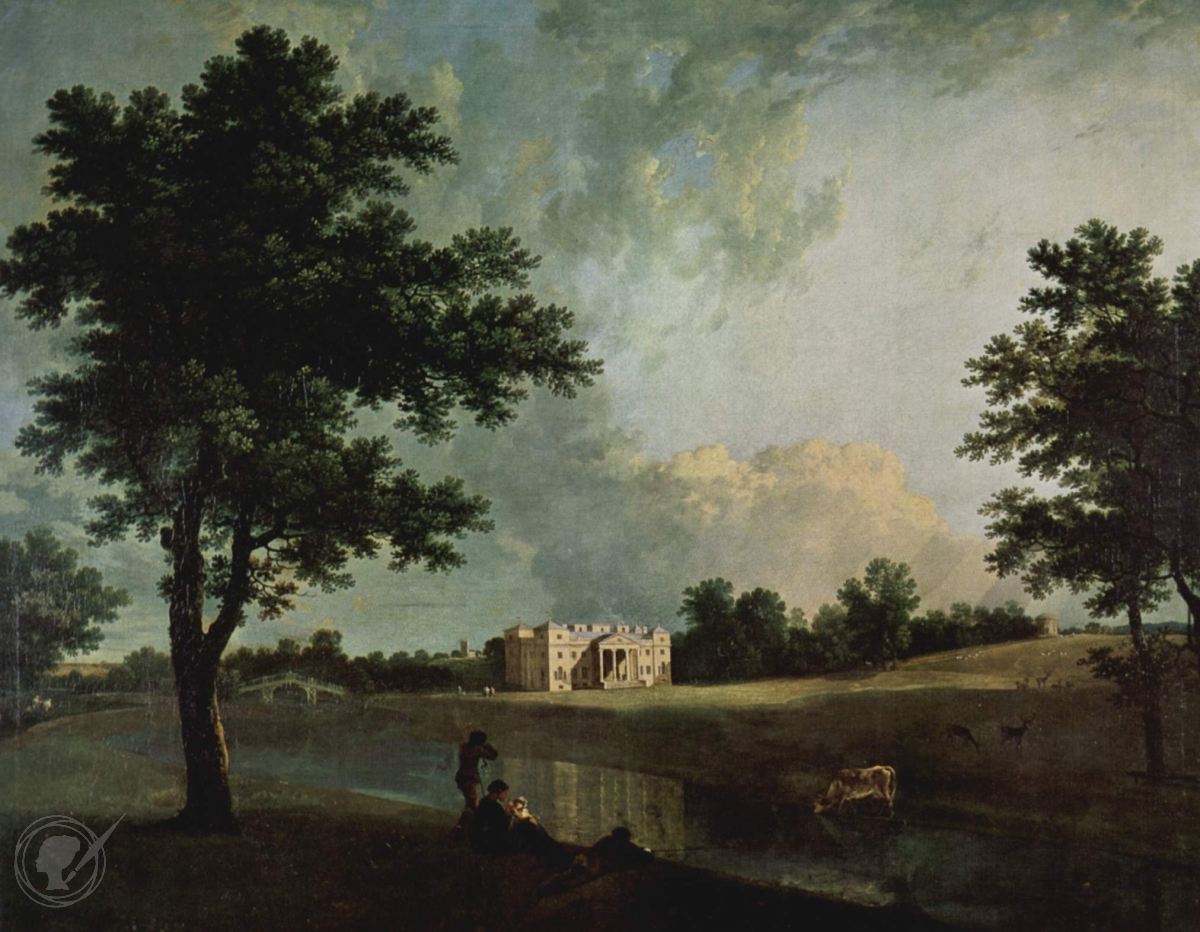
Back to Jonson and "To Penshurst," the text goes on to describe animals that enjoy the nature around the house, and the overall serenity of nature that is described in this house of Jonson's dreams. Compare that to not just the grandness of Croome Court but also the less moderated area around it, and you can see the stark contrast of implementing the outside area toward the house. What furthers this argument is how Jonson describes Penshurst as a lovelier home that doesn't feed into the ego of other houses. He simply describes it as welcoming, with no food or drink to worry about thanks to the area around the building itself. The Lord and Lady are welcoming individuals who share with their guests, and don't overexert themselves compared to other land owners. Jonson also speaks at length of the virtuous wife whose efforts are a root cause of what makes the house so welcoming. He praises her for her welcoming nature, calling her someone who was focused on detail and remained as the root of the warmth within the house. Juxtaposing the description of Penshurst to the lengths taken to achieve Croome Court's landscape, we learn that Capability Brown was ruthless, he was a landscape improver in his own mind, and his vision was to recreate the idea of what a garden could be. The differences between both estates show the future evolution of the country house, through painstaking change and further grandeur for the owner and their guests.
With the concept of a country house and a courtyard developing over the decades, there's strong evidence of the usage of a courtyard evolving over time from its initial design. What began with gardens reflecting strength over nature had become something much more inclusive by introducing further landscape outside of the lawn. The view of gardens also developed to represent relaxation as well. Andrew Marvell's poem, “The Garden,” details how the garden teaches that happiness can't come from constant work but from nature, instead. The garden's reward is that of a calm life. Marvell's "Ergon of Solitude" further emphasizes that where he says that which cannot be found in society but rather in a natural environment is more serene. Marvell finds solitude by retreating into nature instead of worrying about societal concerns. A lot of painstaking work was added in for Capability Brown to develop the prototype of a modern day lawn, and because of this large change it implemented future developments of gardening.