
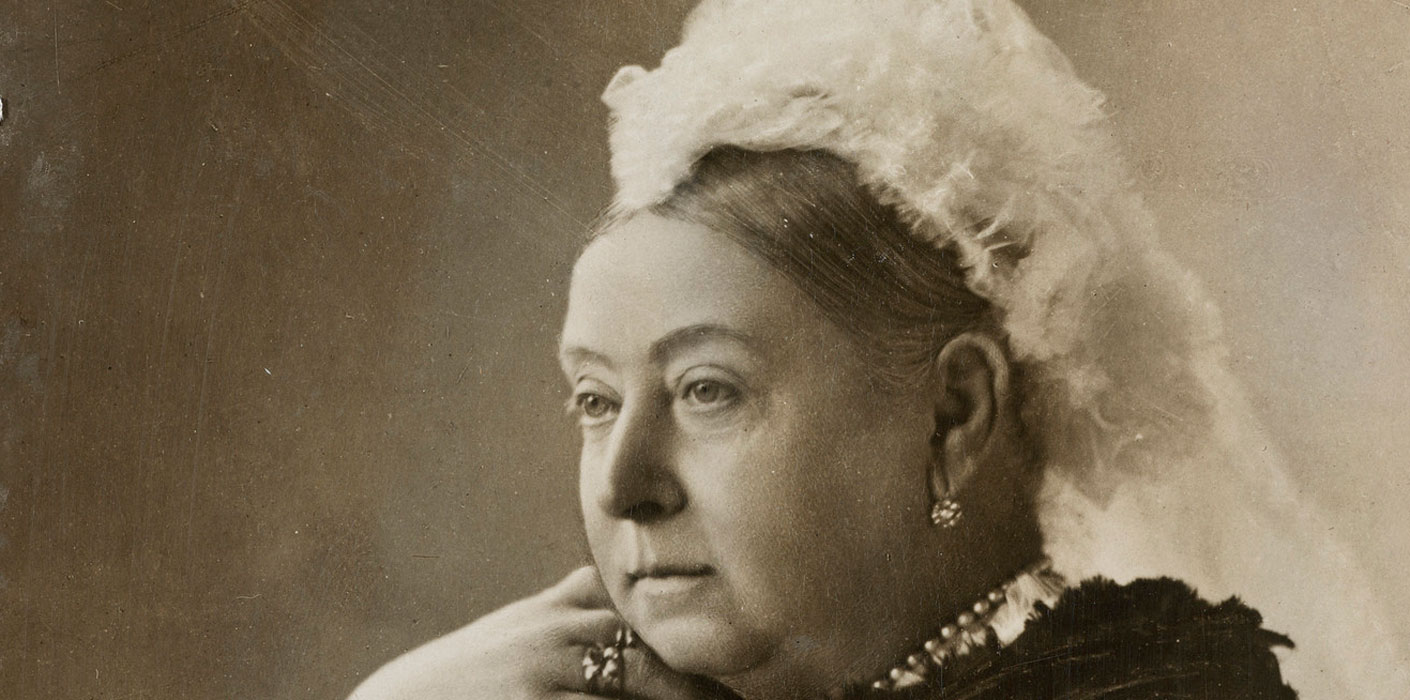
Queen Victoria took control of Britain and Ireland in June of 1837; she became heir to the throne after her father, Prince Edward, Duke of Kent, died shortly after her birth ("Who was Queen Victoria?"). The Queen took control of the country when it was overcoming a large downfall after the Napoleonic Wars that left the taxes high and the country in ruins, yet she was able to dig them out of the grave. She married Prince Albert, Saxe-Coburg, to whom she had nine kids, which strongly influenced the principles that were founded underneath her rule (“Who was Queen Victoria?”). Many regarded that she attempted to set an example for her kids under her rule consequently setting a good basis of values for her country. Unfortunately, one of the downfalls to her rule though was the transition in views on crime within the country. The laws on major crime were tighter but this left the rules on small crime such as theft to be a little more lacking in the sense of punishment (Picard).
Shortly before Queen Victoria came to gain power of the throne, the country established the power of a metropolitan police force, the first ever in the country (Picard). Under the rule of Queen Victoria, this police force had wide powers and a clear effect on diverting serious crime from the street, but there was still a great looming issue. Although, there was finally a force to help deter crime from the streets they were undoubtedly short-staffed leaving many to the life of crime to make a living, just like Oliver Twist (Picard). This new police force was focusing more on stopping large scheme crimes like murder and such, leaving the window open for small operations such as the one Oliver found himself in. In a lot of ways, the appointment of Queen Victoria helped the life of Oliver, due to leaving many groups exposed and making the operation just a little bit easier.
Works Cited
“Who Was Queen Victoria? What Was Her Role in the British Empire?” Britain Magazine | The Official Magazine of Visit Britain | Best of British History, Royal Family,Travel and Culture, Britain Magazine, 5 September 2017, www.britain-magazine.com/features/royals/queen-victoria-role-british-em…. Accessed 6 February 2021.
Picard, Liza. “Victorian Prisons and Punishments.” The British Library, The British Library, 14 October 2009, www.bl.uk/victorian-britain/articles/victorian-prisons-and-punishments. Accessed 6 February 2021.
“Victoria (r. 1837-1901).” The Royal Family, www.royal.uk/queen-victoria. Accessed 6 February 2021.
Note: The last source is for the image posted, I was unable to find the publishing date and the author of the article after doing heavy research.