
The Gregorian Reforms (ca. 1050-80) and the rise of feudalism in eleventh-century Europe led to increasing restrictions on women’s artistic production, which were not previously enforced in Europe. In Germany, though, during the Ottonian Dynasty (919-1024), convents maintained their positions as centers of learning and artistic production. After Pope Boniface VIII’s decretal Periculoso in 1298, requiring the enclosure or claustration of women’s convents, nun-artists’ access to artworks and techniques outside their convents became more limited. After the Reformation, in Germany, the Netherlands, and England, convents faced increased restrictions, significantly weakening their status as centers for artistic production. The Council of Trent (1545-63) enforced a strict enclosure of women’s convents, which made it more difficult for women to participate in the export art market.
Women’s convents were often less financially secure than men’s houses, so there tended to be an increased need to bring in revenue to support the convent and its residents. Though some religious men taught artistic techniques to nuns, it was more often that nuns from artistic families transferred artistic skills to girls and women in the convent. In the fifteenth century, nuns in convents such as Bethany in Mechelen, Belgium, Wienhausen in Germany, St. Katherine’s in Nuremberg, and San Jacopo di Ripoli in Florence made and sold individual woodcut or metal-cut prints as well as devotional and secular texts to pilgrims and other visitors. These examples and the ones that follow indicate nun-artists' thriving commercial “craft synergies” across Europe from the early medieval period to around the seventeenth and eighteenth centuries.
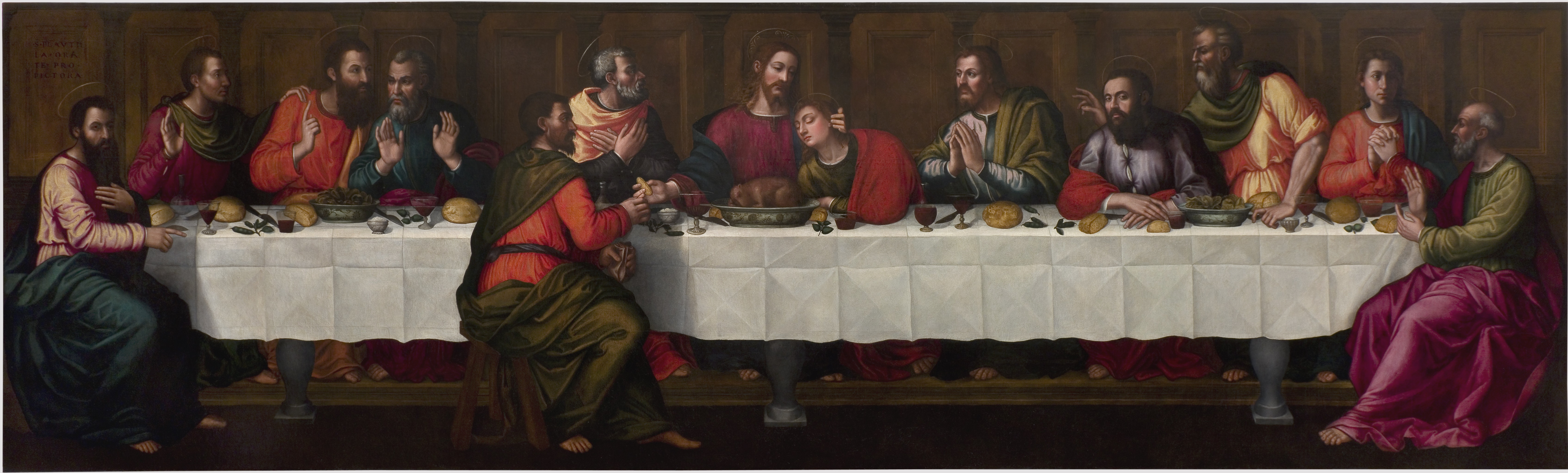
Studies on Italian nun-artists provide a wealth of information. Though Lavinia Fontana is often credited as the first woman to lead a workshop, we might look earlier and in convents for women-led artist workshops. For example, Plautilla Nelli led a workshop at her convent, Santa Caterina da Siena in Florence, where she trained nuns to paint. Over the years, Nelli provided her convent with the income she received for her art. Convent records note that on March 17, 1558, Nelli provided the convent with 63 lire she received from the prior of the church of San Bonifacio for a painting of Santa Lucia, while in one undisclosed year alone, she brought in a massive sum of 282 lire. In the last decades of the sixteenth century, nun-artists in Santa Caterina shifted from producing mostly paintings to mostly sculptures: a workshop led by Dionisia Niccolini produced hundreds of small terracotta figures of saints, angels, and the Madonna and Child. The nuns at Caterina da Siena relied on men such as the convent’s father-confessor or banker to distribute the works to buyers.
Meanwhile, nun artists at the convent of San Domenico in Lucca, Santa Caterina‘s sister convent, made painted papier-mâché figurines for export to France, Spain, Japan, and the East Indies; this export business brought in 1500 scudi a year. In the sixteenth and seventeenth centuries, the convent of Sant’Agata in Florence staffed a booming pharmacy and painting workshop. In Northern Italy, an estimated one-half to three-quarters of Milanese noble girls in the seventeenth century left home to live in convents. This micro-statistic indicates a significant number of Italy’s female population continued to enter convents, receive training, and contribute to their large and thriving workforces.
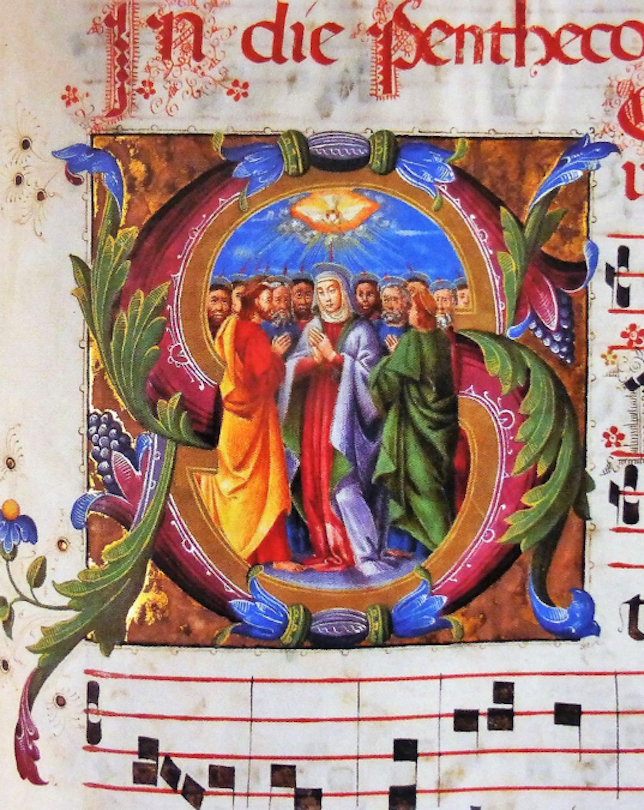
In Germany, the Observant movement of the fifteenth and sixteenth centuries facilitated a rise in women’s scribal and illumination production. From the beginning of the thirteenth century to the Reformation, 580 named individuals (women and men) and an additional 55 unknown women convent members served as scribes for women’s convents. Of the 580 named individuals, 416 were women scribes, who served in German convents as cloistered nuns. Cyrus identifies 361 sisters by names or initials and 55 by their gendered endings and labels like ‘soror’ and ‘scriptrix.’ Some, to most, of these women may have been artists, particularly illuminators.
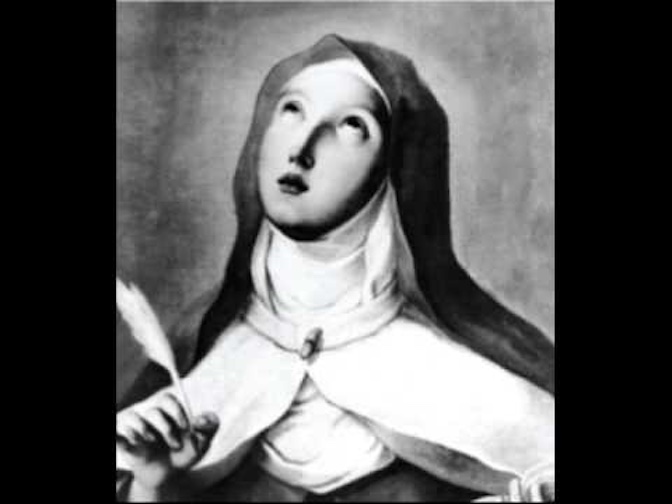
In Spain, many nun artists appear in historical records, though only two works by two Spanish nun painters survive: the Discalced Carmelite nun Cecilia Sobrino (1570-1646) and her sister Marià Sobrino, who produced devotional paintings of the Ecce Homo, Salvador Mundi, and Christ as Man of Sorrows at the convent of La Concepción, Valladolid. An early example of a Spanish nun-illuminator who self-identifies as an artist is the nun Ende. I could not determine an exact number, though from the seventeenth century on, more nun painters and sculptors appear in Spain. In France, some superiors attempted to attract women artists to their convents to avoid admitting and paying lay artists and artisans for work produced in the convent. Four sisters of the artist Laurent de La Hyre (1606-56) became nuns at Sainte-Perrine de la Villette and were noted for their skill in drawing and painting.
Convents in England do not appear as artistically prolific, if at all. Since English convents were founded in the midst of Tridentine decrees enforcing strict enclosure from secular society, they did not have the chance to develop the same sophisticated and highly successful artistic workshops that characterize Italian, German, Spanish, and even French convents.
Images in this Exhibit
Group content visibility
Private - accessible only to group members
Vetted?
Not Vetted
Groups audience