
Lapland is significant to Jane Eyre because its imagery is the lens through which Jane understands and expresses her loneliness. In Jane Eyre, Jane finds a book and lists off multiple places with cold climates. She then uses things from these climates to explain how she feels when she's at Gateshead. Jane says that, when reading, she "gave significance to the rock standing up alone in a sea of billow and spray; to the broken boat stranded on a desolate coast; to the cold and ghastly moon glancing through bars of a cloud at a wreck just sinking" (Brontë 10). This is something that Brontë has done a lot in her book. She gives meaning and almost a personality to the landscape itself. That relates to one of the oldest traditions from Lapland, the cultural belief of animism from the Sámi people. According to Allan "Ivvár" Holloway's article, published at The University of Texas, "Sámi animism is manifested in the Sámi belief that all significant natural objects (such as animals, plants, rocks, etc.) possess a soul, and furthermore, are cognizant of their surroundings" (Holloway). Brontë may not have known the name of these beliefs, but she has had a habit of expressing her knowledge of old and foreign beliefs throughout Jane Eyre thus far. It's interesting that she starts a long stream of attributing personality traits to inanimate objects right after mentioning Lapland (and similar places). It's possible that she ran into some mention of beliefs similar to this coming from around Lapland. The beliefs of animism itself may have leaked into British writing as well (due to close borders). The mention of Lapland and animism helps us understand Jane as well as Brontë, since we are reading from the perspective of Jane. If the increase in descriptive language in regards to inanimate objects after the mention of Lapland was intentional, it shows us how Jane has grown more educated in her older age (since she's writing this from the perspective of her future self).
This information comes from Jane Eyre by Charlotte Brontë (book) and "The Decline of the Sámi People's Indigenous Religion" by Allan "Ivvár" Holloway.
This location illustrates Gothic convention because of how it is associated with isolation, hopelessness, and death in the novel. Jane uses Lapland to explore her feelings of isolation. Some of the imagery she uses even goes into death (shipwreck). It looks like a very somber, hopeless place in images. That hopelessness fits within Gothic convention as well as the serious tone that is evoked with how they are brought up.
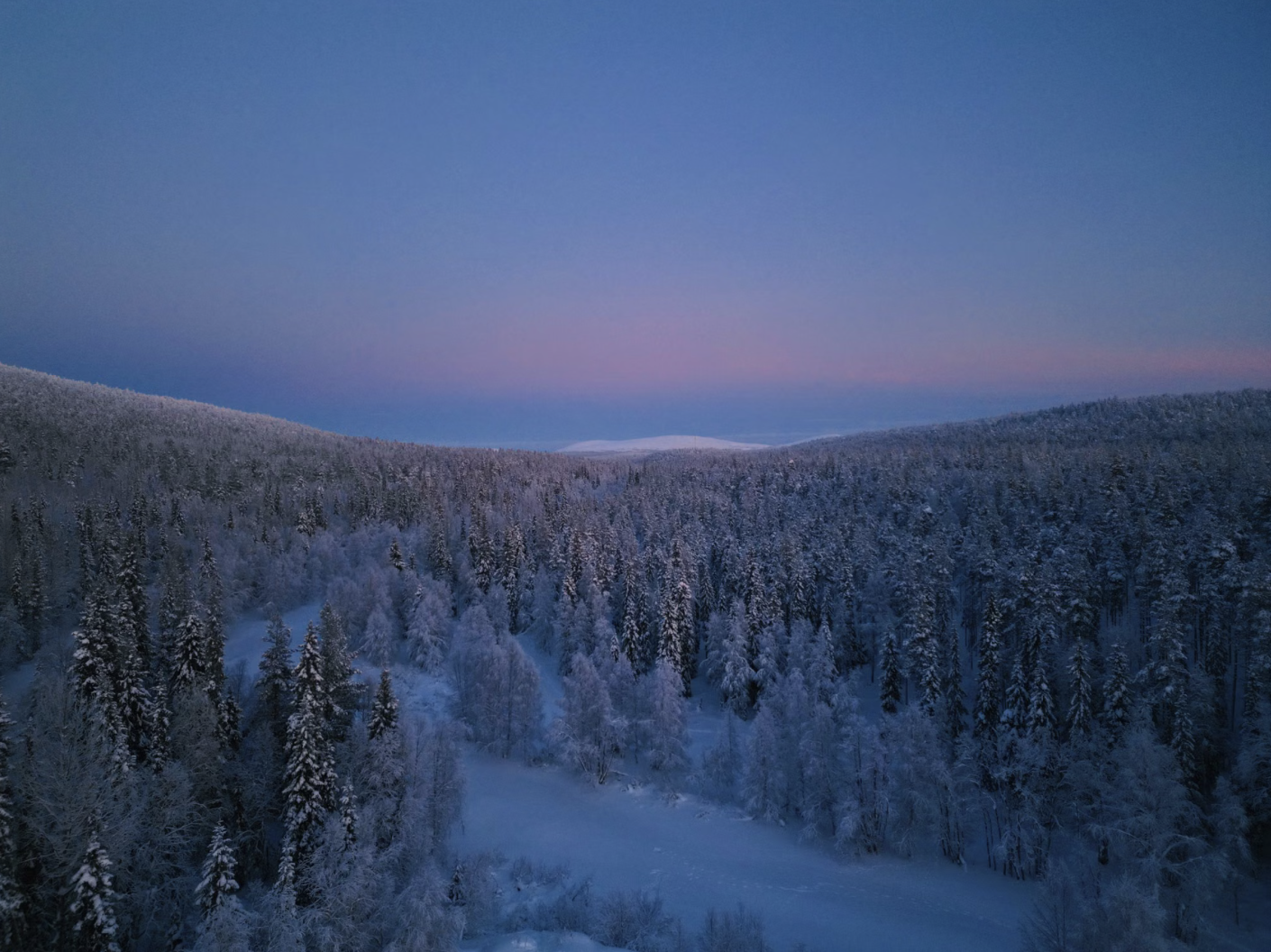
Mapping this location on COVE reveals how the novel's narrow first-person view shapes what we do and don't see of this place. The novel describes Lapland as somewhere cold and desolate. However, it is a place where the Sámi people have survived for centuries and developed their own culture and beliefs. Jane's limited view of Lapland shows that she sees it (and similar far-off, cold countries) as more barren and isolated than they actually are (as people have to interact to develop a culture). If we had an omniscient narrator, Brontë would be able to more widely tell us about Lapland and would be able to explain Jane (or her) lack of knowledge about it. If she switched points of view to a character who had visited it (like Rochester might have), she would have also been able to give more information about how despite how inhospitable Lapland may seem, there is room for life there. It would show the difference between Jane (who feels isolated) and characters who have been there and seen that there can be community even if said community is hard to find. She could go into the struggles the Sámi people face in this barren place and how those struggles could kill them more specifically than a shipwreck, further highlighting Jane's inexperience compared to that character. If it was Rochester, it would also further show how significantly more life experience he has (since that can be sort of muddled when it's not deliberately mentioned, since Jane can keep up with his literary references very well).
Research: "The Decline of the Sámi People's Indigenous Religion" by Allan "Ivvár" Holloway
Image: Image Uploaded to pexels.com by Fanny Hagan Södervall