
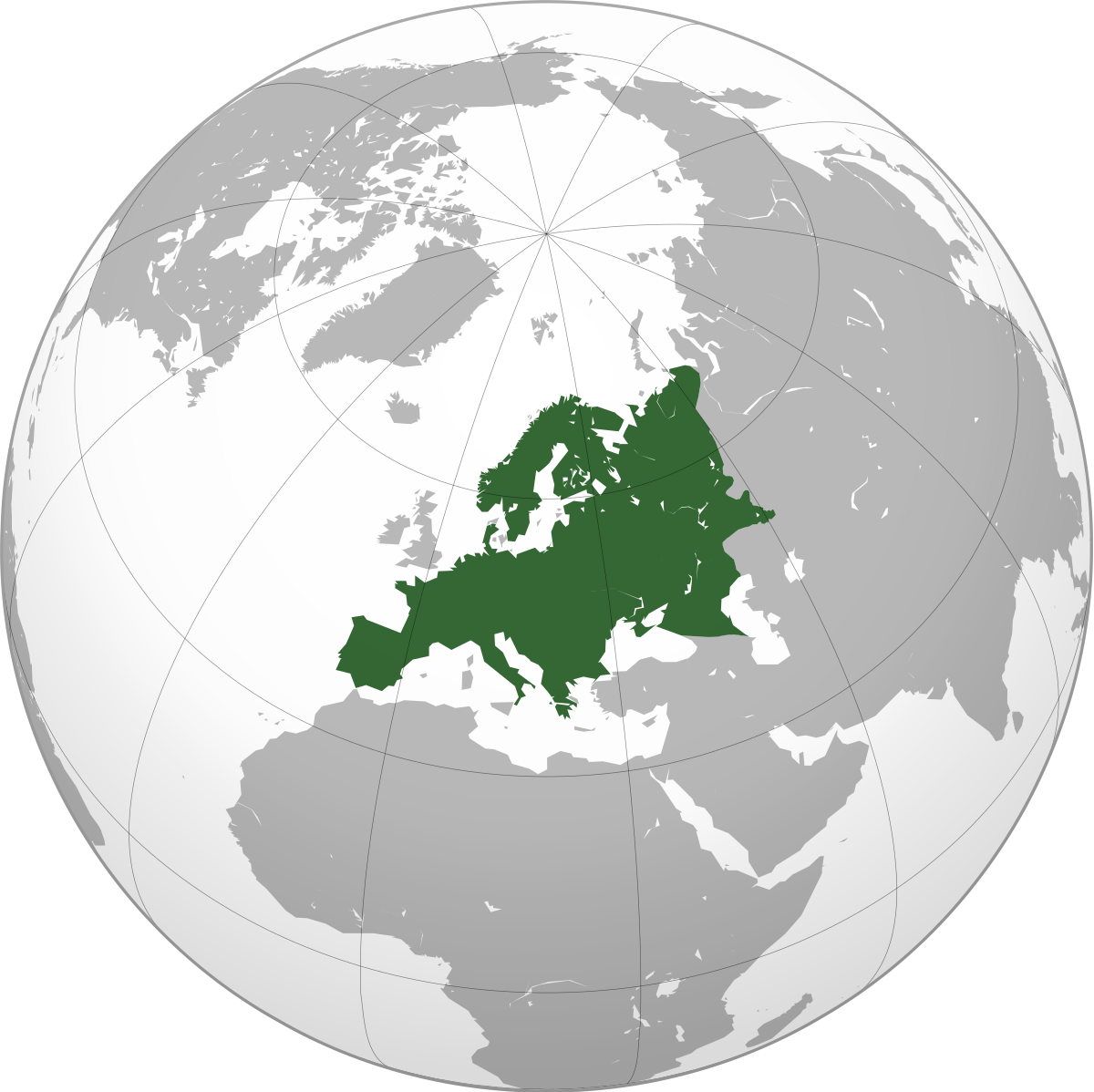

Continental Liberalism, as referred to in JS Mill’s Autobiography is the liberalism practiced in Europe outside of the UK. It strongly advocated for the creation of unified, constitutional states with their own independent parliaments and rule of law. The ideology and practice of Liberalism began to increase in prevalence within the 19th century, however it looked different across locations and time periods. Factors such as the strength of a country’s government/aristocracy, their rate of industrialization, and the state of their nation’s unification all affected their political views, which makes it hard to justify “continental liberalism” as a singular political faction. Even so, Continental Liberalism was distinct from the liberalism practiced in Britain which may explain the separate categorization of the two.
This distinction between Continental Liberalism and Britain’s liberalism is touched upon in Mill’s text. An avid intellect, Mill sought to widen his breadth of knowledge beyond what was expected of him or even pertinent to his own philosophies. The search for this extraneous knowledge led him to study the practice of Continental Liberalism, despite it not applying to his life in Britain. He was able to observe first hand a continental liberal society when visiting France in 1891. He was deeply interested in the continental and thus continued to keep himself up to date on it in addition to English politics, “a very unusual thing” thing to do for Englishmen in those days (pg 37). In keeping up with Continental Liberalism, Mill cites his keeping up with Continental Liberalism as having a “salutary influence” on his development and keeping him “free from the error… of judging universal questions by a merely English standard” (pg 37). Though not readily apparent as useful knowledge, Mill’s study of Continental Liberalism still had a large impact on his education and philosophies.
Source:
Enstrom, James E., and Lester Breslow. “Lifestyle and Reduced Mortality among Active California Mormons, 1980–2004.” Preventive Medicine 46, no. 2 (2008): 133–36. https://doi.org/10.1016/j.ypmed.2007.07.030.