
Sidney Darrell-
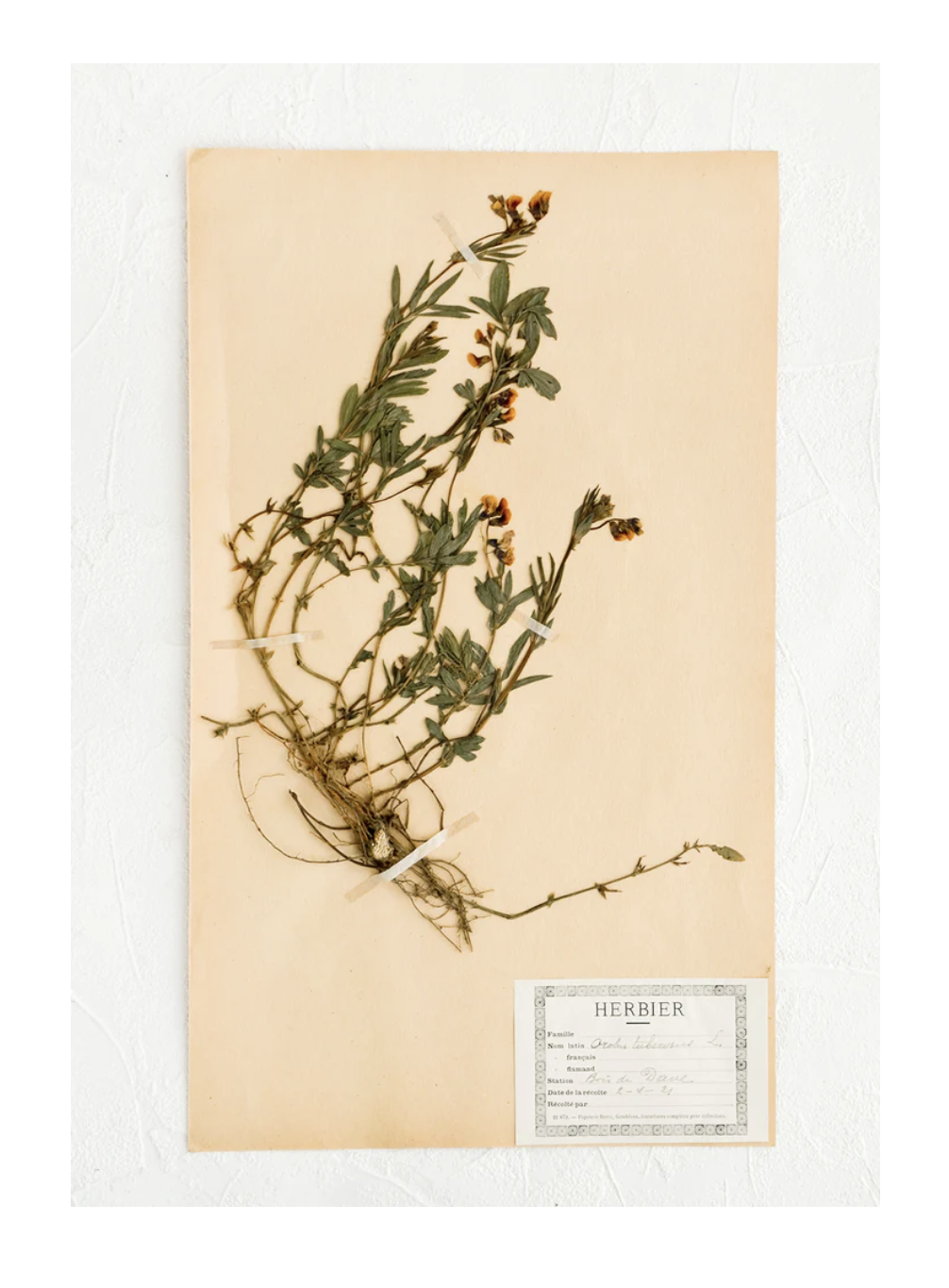
Phyllis had this thing for tuberoses, she loved how they filled our space with that sweet smell. Now, with her gone, this lone flower stands like a memory that won't let go. This tuberose is like a bridge between what's real and what's gone, holding onto feelings too deep for words. It's my tie to a love that is not letting death have the last say. In its faded petals and muted fragrance, I find some kind of peace, a faded reminder of a love that once made this room feel alive. Each time I catch a whiff of that subtle fragrance, it's as if Phyllis is still here, her spirit lingering in the air, weaving through the cracks of time. The tuberose, though physically lifeless, becomes a living connection to the vivacity she brought into my world. It's not merely a flower; it's a vessel carrying the intangible but enduring essence of our shared moments, an aromatic whisper of a love that refuses to be confined by the boundaries of mortality. In this humble room, the tuberose becomes a time-traveling storyteller, recounting a tale of love, loss, and the resilience of the human spirit. As I sit in the glow of the candle, the flickering light casting shadows on the walls, the tuberose becomes a beacon, guiding me through the labyrinth of emotions. Its presence is a comforting embrace, a tangible link to a past that continues to shape my present. And in this small act of preservation, the dried tuberose transforms into an artifact of emotional archaeology, a relic from a chapter of my life that, though written in the past, resonates with timeless echoes in the corridors of memory.
Editors Commentary-
Sidney Darrell's decision to retain a dried tuberose is reminiscent of historical practices where individuals sought tangible connections to departed loved ones. Throughout history, people have preserved mementos, ranging from locks of hair to dried flowers, as a means of keeping the essence of a departed soul close at hand. Such practices are deeply rooted in cultural and societal traditions, reflecting a universal human impulse to memorialize and commemorate those who have passed (Curie). In the grand tapestry of history, the act of preserving a dried tuberose resonates with a broader narrative of human grief and the enduring quest for connection beyond the realms of the tangible. This ancient practice, often intertwined with religious and spiritual beliefs, reflects the human desire to bridge the gap between the physical and the spiritual, offering a tangible link to the ephemeral nature of existence (Curie). The tuberose, now a symbol of remembrance, aligns with a historical continuum of memorialization practices. Throughout various cultures and epochs, people have expressed their grief through the preservation of items imbued with personal significance. These artifacts become conduits for memories, providing a tangible means of navigating the complex terrain of loss.
“‘Decluttering’ After Someone Dies: How and When Should You Do It?” Marie Curie, 24 July 2020, www.mariecurie.org.uk/talkabout/articles/decluttering-after-someone-die….
“Vintage Dried Floral, Tuberose.” LEIF, www.leifshop.com/products/vintage-dried-floral-tuberose.