


Introduction
The Victorian period was an era of reformation. Art took new forms as realism began to depict the grittier and darker tones of the last half of the 19th century. During this time, Florence Nightingale wrote her controversial essay, Cassandra, and condemned the nature of society that inhibited the female intellect and discouraged moral development. While Nightingale was not a typical feminist as she had her own qualms about her gender, she did pave the way for a larger conversation on the female condition during the Victorian period. As author Louise Selanders contends Cassandra is ‘a feminist complaint, full of frustration and anger. It is a call to action in which Nightingale cries out, ‘Awake, ye women, all ye that sleep, awake!’ (Nightingale 1852 cited Selanders, 2010, p. 75). Nightingale expressed her frustration with a world that discounted the formation of an identity for women, particularly within the middle and upper class. Seldom did a woman protest so articulately against the conditions that women experienced in society as she asserted “there is a physical, not moral, impossibility of supplying the wants of the intellect in the state of civilization at which we have arrived.” (Nightingale 1) Her dissatisfaction manifested into an essay that expertly conveys one of the great themes of the Victorian period – change.
Cassandra was published in a time of artistic revolution, the bridge between the ending of the Romantic era and into realism and impressionism. Art became less about precision, and more about feeling and experimentation. The subjects of esteemed art shifted away from the being the upper class and into the common people. Women of many standings became the muses of pieces by notable artists, such as Courbet and Van Gogh.
The following illustrations depict these changes and consistencies through the Victorian period, with women being the primary subject matter. Take note of the body language of the subjects, whether they are energetic or submissive, and how this may reflect the environment of the time. As Florence Nightingale gave a voice to the conditions of society and women, artists gave an image. Both crafts intertwine within this series, bringing life to their strife and to the conditions of the 19th century itself.
Works Cited
Selanders LC. Florence Nightingale: The Evolution and Social Impact of Feminist Values in Nursing. Journal of Holistic Nursing. 2010;28(1):70-78.
Images In the Series
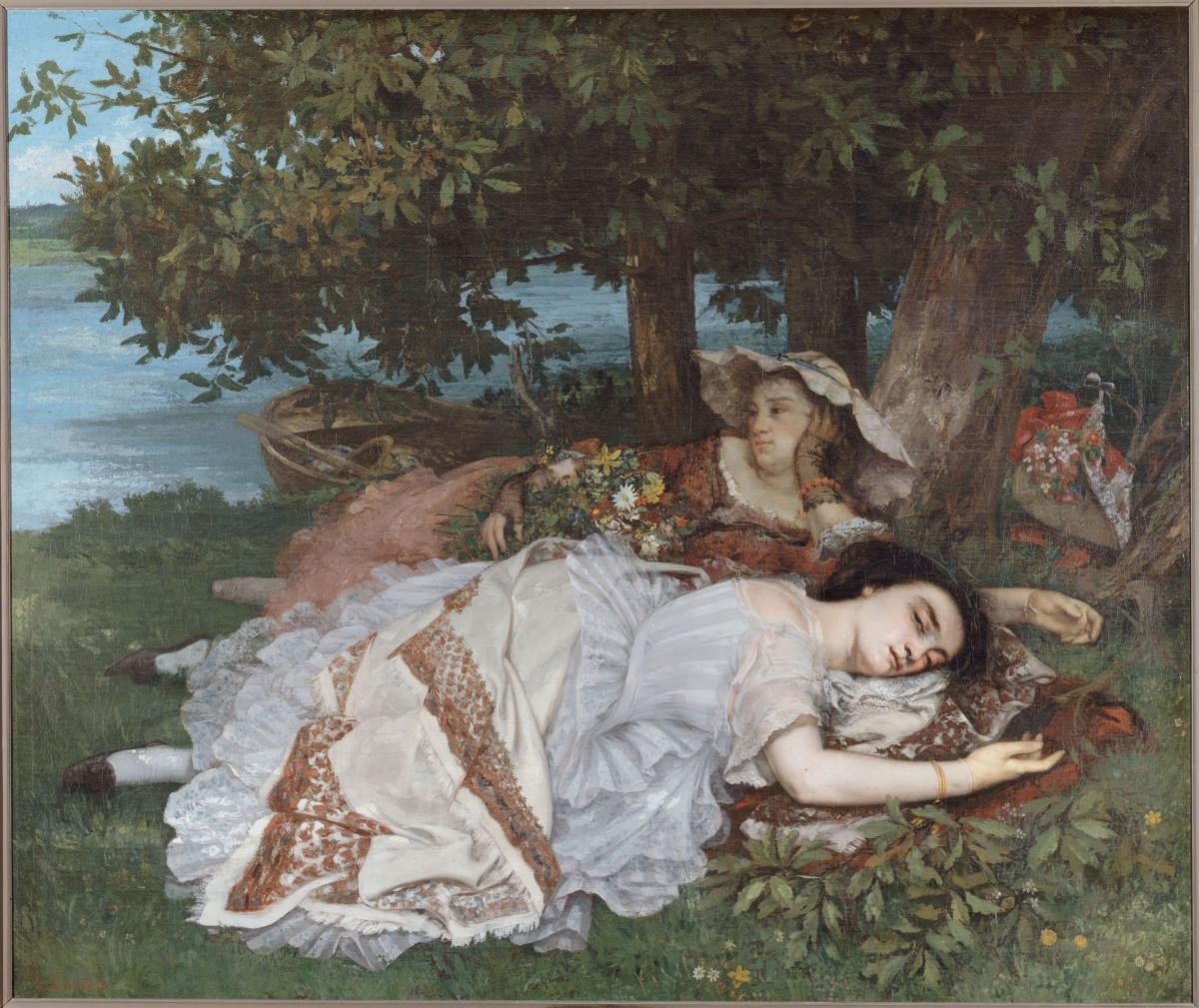
Fig 1: Gustave Courbet, Les Demoiselles du bord de la Seine (Young Ladies on the Banks of the Seine), 1856, oil on canvas, 174 x 206 cm (Musée du Petit, Palais)
Courbet had a certain determination to paint the world as he saw it, and in doing so, he led the western art movements out of romanticism and into realism during the 19th century. In Les Demoiselles du bord de la Seine he depicts an average afternoon for a pair of French women. There is a distinctive tone of the painting conveyed through the muted use of color and the pallor of the lounging women. A certain boredom paints their expressions as they are lifelessly strewn by the bank. They are extravagantly dressed but there is a bleakness to their sedentary nature – they have nothing else to do. Courbet illustrates the central crisis to Florence Nightingale’s pleas in Cassandra, illustrating the bored life of high society women during the Victorian period. While they may pick flowers for leisure, as the bouquet suggests, their body language expresses their boredom. Nightingale touches upon many of the strife’s that women endure under patriarchy, but she is particularly bothered by the suppression of mental exercise for women. She directly correlates patriarchy for this suffering and that by preventing women from working or pursuing passions, their lives become menial and mechanic in their daily tasks. As she writes “Is man's time more valuable than woman's? or is the difference between man and woman this, that woman has confessedly nothing to do?” (Nightingale 1) Courbet and Nightingale alike distinguish this sentiment in their work. As for the two women by the Seine, even if they pulled themselves away from the bank, there is not much that is promising beyond the shore.
Fig 2: Vincent van Gogh Woman Sitting on a Basket with Head in Hands 1883 Kröller-Müller Museum (Otterlo, The Netherlands)
While primarily known for his impressionistic work, there is also much to see in the sketches by Vincent Van Gogh that portray a different side to his artistic visions. In this charcoal sketch, the use of stationing his model in a corner expresses a feeling of entrapment, one could feel unsure whether she is shrinking away in fear or withdrawn in sadness. This late 19th century work conveys the deeper sense of Cassandra’s remarks on women in society. When the intellect is neglected to a point of abandonment in pursuit of tedious domestic tasks, one could find herself lost when a point of realization occurs. Fittingly, her face is highlighted yet concealed, she is nameless and her experience is ubiquitous. Her identity is undeveloped like many who are married off or prepare themselves for marriage by being denied education or expression of individuality. Nightingale’s thoughts on the female identity are articulated in Cassandra through her frustration with the world and women’s interaction in it. They are cornered, and must be molded to the form that society expects, and when they resist, there is hardly anything that is gratifying other than self-actualization, which is seldom achieved as she states, “This system dooms some minds to incurable infancy, others to silent misery.” (Nightingale 1) In all, the shapeless identity hunched in Van Gogh’s corner resembles the form of many lost to an unfeeling and smothering reality.
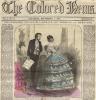
Fig 3: The Colored News, Breach of Contract of Marriage, Saturday 01 September 1855 https://www.britishnewspaperarchive.co.uk/titles/colored-news
This journal article was a part of The Colored News, the first British newspaper to publish articles with colored images. The scene above accompanies an article that depicts a lawsuit after a failed engagement. The man contests that the woman breached a promise of marriage after changing her mind, and with her refusal to return gifts presented during the engagement period, he sued her. While there may be some legal ground, the essence of the dispute lied in the man’s perception of what he deserved and what was being withheld from him. She had a right to refuse marriage, yet it injured his feelings, as the article states and this was deemed a worthy cause for legal action. Nightingale was a champion for female rights, and this scenario presents a situation she would have been interested in. A woman denying a marriage on the terms of her feelings changing. Nightingale often dismisses the triviality of engagements in Cassandra as one cannot even properly get to know someone before they marry them “and then people rail against men for choosing a woman "for her face” (Nightingale 1). However, the conditions of high society often inhibited marriages based on mutual attraction, and were aimed more at social climbing and economic benefit. The Colored News depicts a scene that vilifies a woman rejecting a suitor, and all too often articles like these perpetuated a standard that Nightingale found reprehensible. One of the few chances where a woman could make a decision for herself about the course of her life, and it is brought to court. While the case is plausible, the essence of the lawsuit is about male power and it continues a theme of female oppression.
Fig 4: October (1878), by Jules Bastien-Lepage
Working class women and their experiences were very different from that of high society women. This is represented by the age of realism occurring throughout the 19th century as the focus of art was shifting away from higher classes and delving into the working-class world. It depicted strife, suffering, and loss unlike that of previous periods and the common people became a place of focus on many artists during this time. Cassandra may have been more intended for women that were being groomed into economic marriages, but its themes ring true for a common experience of suppression of the female identity. Lower class women who may have done manual labor were still prevented from higher education; they were still seen as extensions of their husbands in some regard. Ironically though, they may have had more control over their lives than their counterparts, as they had the freedom to work. To busy themselves with labor that paid off and achieved something, rather than twiddle their thumbs and experience a state of prolonged infancy like Nightingale suggests. October is a demonstration of the realist movement that shows feminine strength in a different style than previously seen. The woman lifts her full basket, and a slight smile paints her persevering face. She may be working the fields, but she feels a sense of purpose that women above her standing may not ever know.
Works Cited
Nightingale, Florence. “Cassandra, Excerpt.” Cassandra , 1852.