
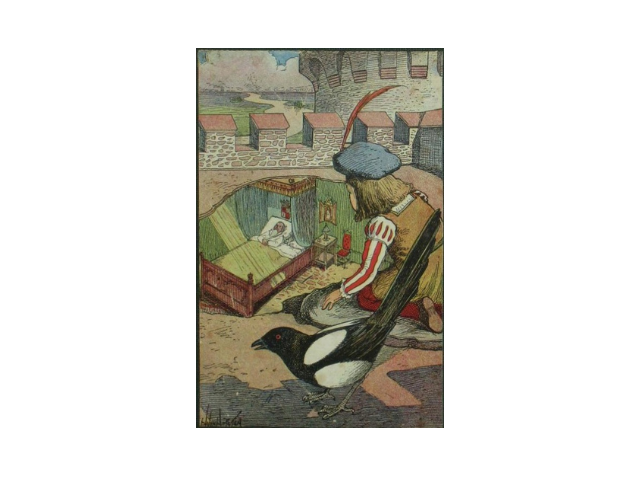
Fig. 2. Von Hofsten, Hugo. The Little Lame Prince Title Page. Internet Archive, 1900, p. 1. https://archive.org/details/the-little-lame-prince/page/n2/mode/1up.
This image by Hugo von Hofsten appears in the 1900 edition of Miss Mulock’s The Little Lame Prince, visually representing the physical isolation of Prince Dolor. What struck me first is how the viewer’s perspective aligns with the prince’s – we, like Dolor, are placed outside the scene of a healthy, active world and instead view the world from a confined vantage point. In the foreground, Dolor is seated on his magical cloak, peering down into his past self’s room. The bed is enclosed and shadowed by green curtains, seemingly tomb-like, and the room is tucked behind stone castle walls.
This image’s spatial composition enhances the sense of separation. The physical elevation of the flying Dolor over the bedridden Dolor suggests that his current mobility contrasts with his earlier immobile self. The gaze of the current Dolor is not meant to be triumphant, but contemplative. He is looking inward, revisiting himself. In this way, the illustration blends fantasy and disability, presenting flight not as erasure but as a prosthetic, and extension of his constrained body.