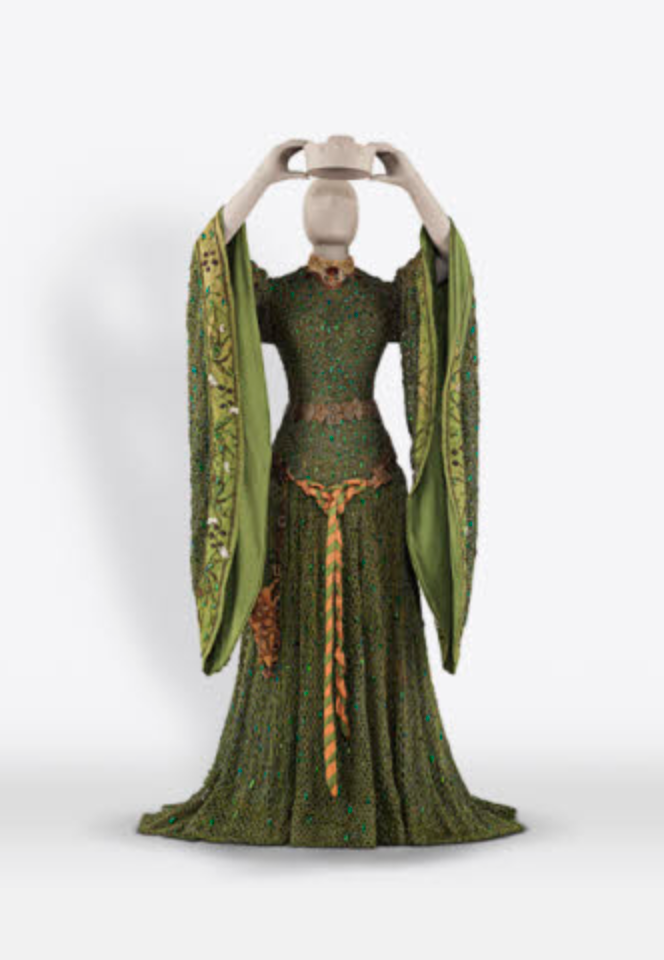
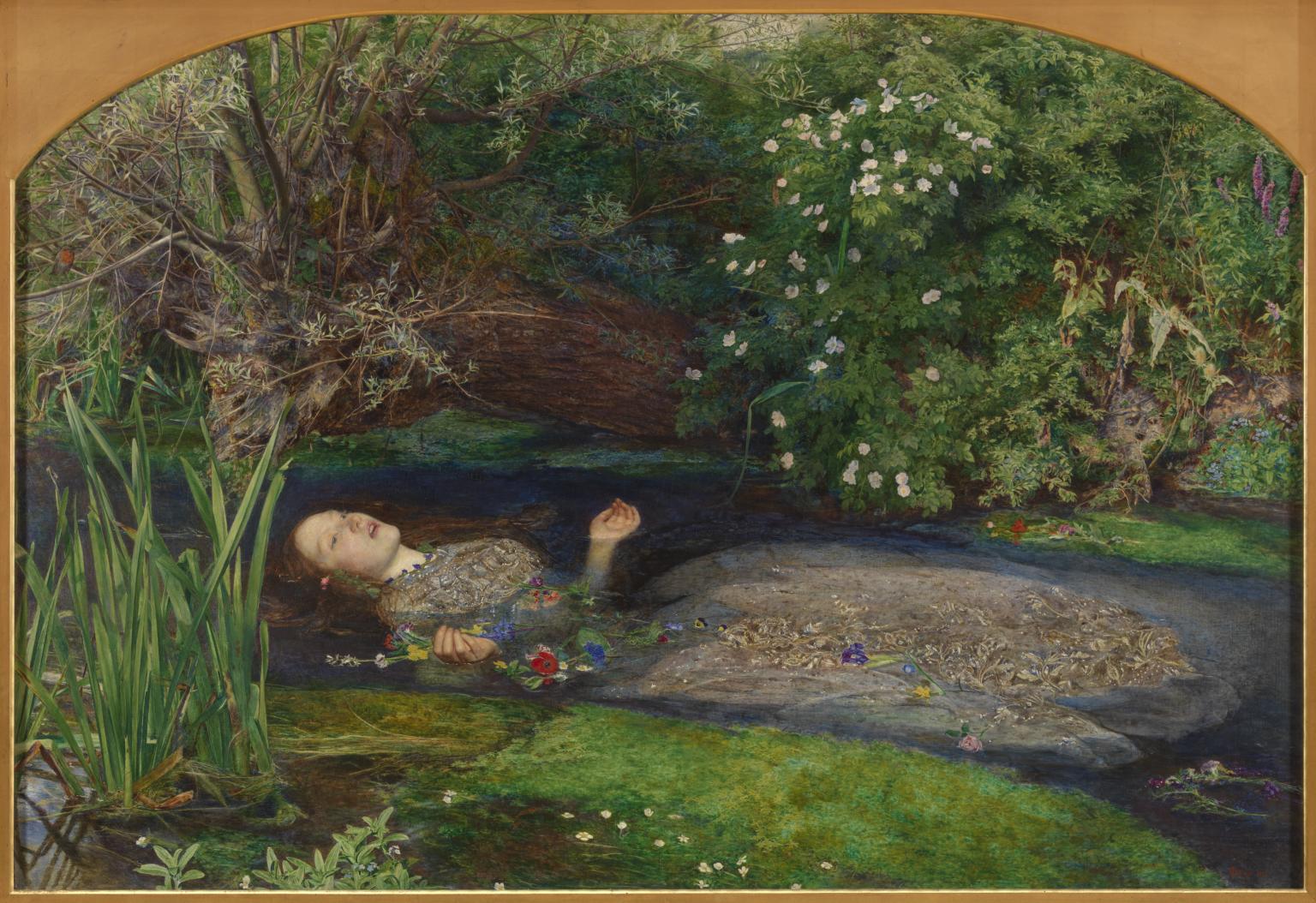
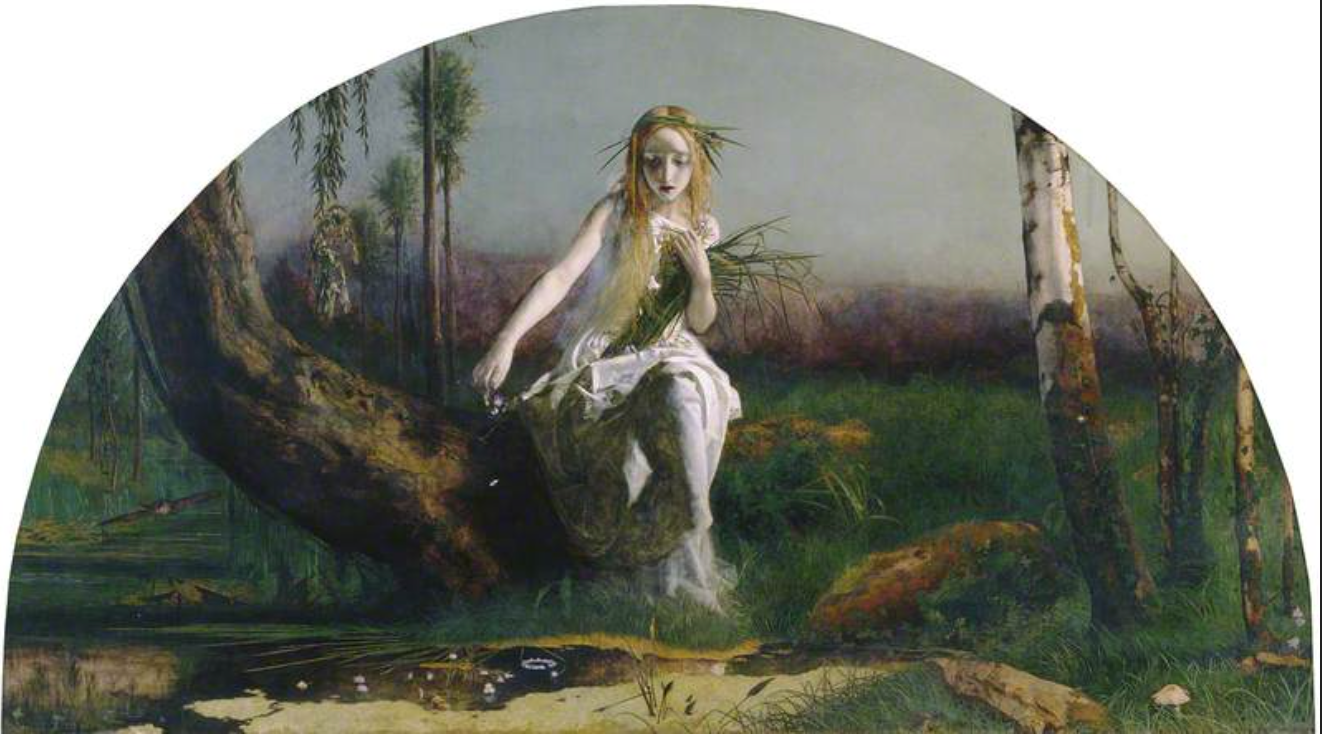
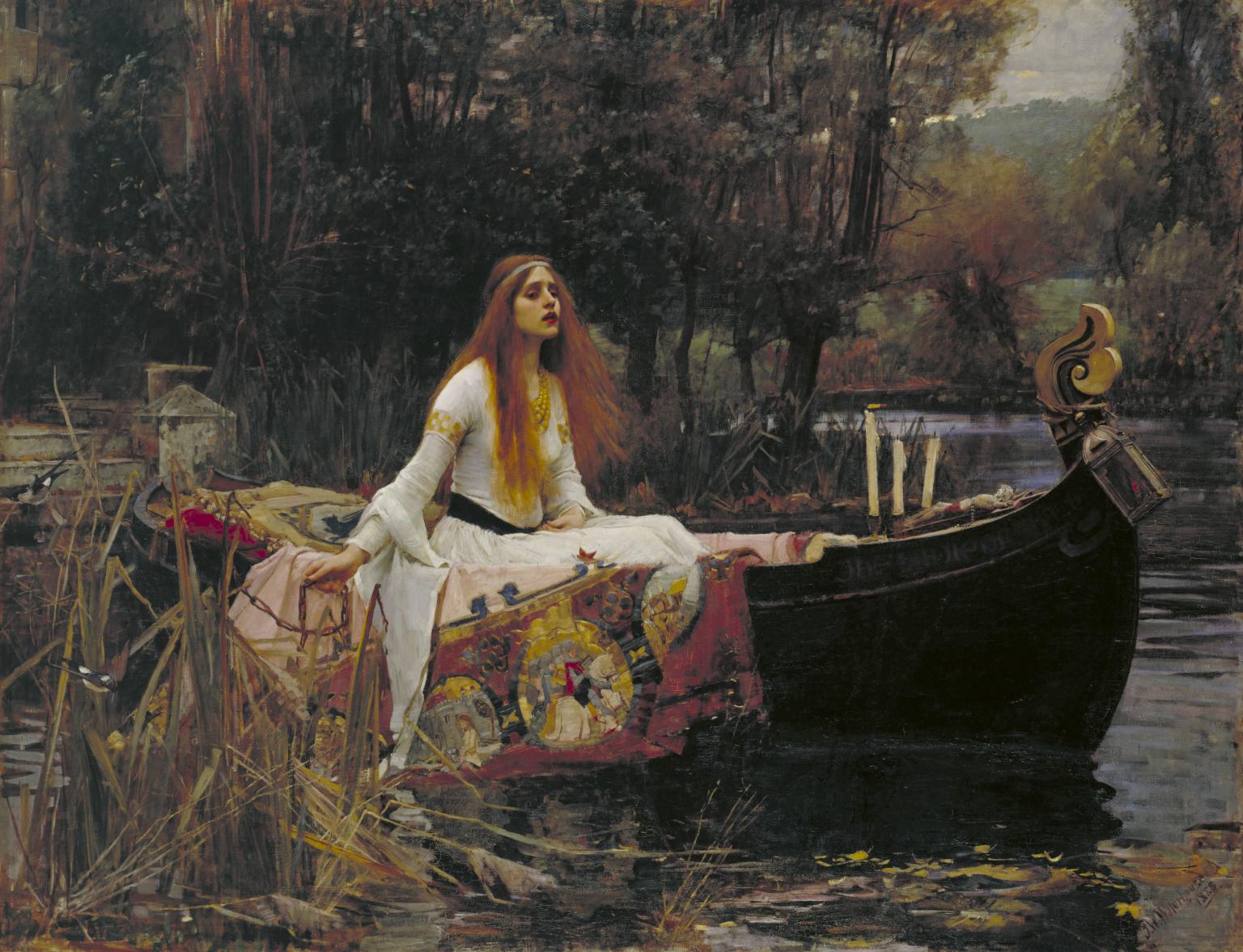
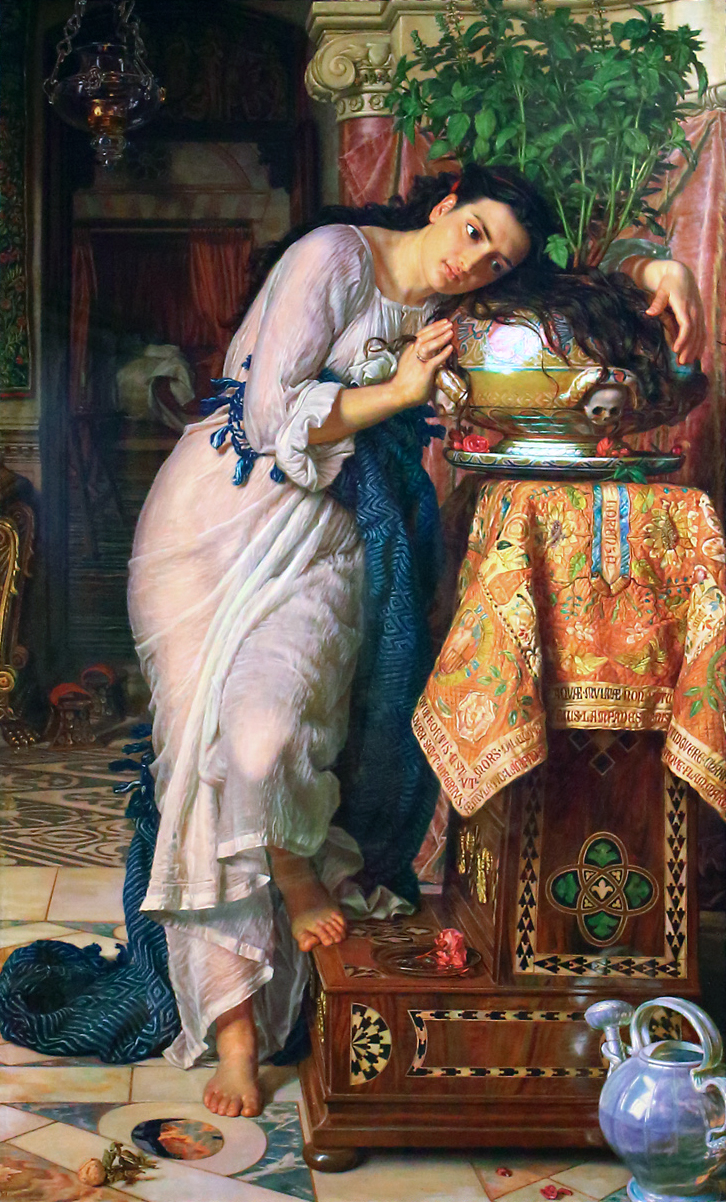
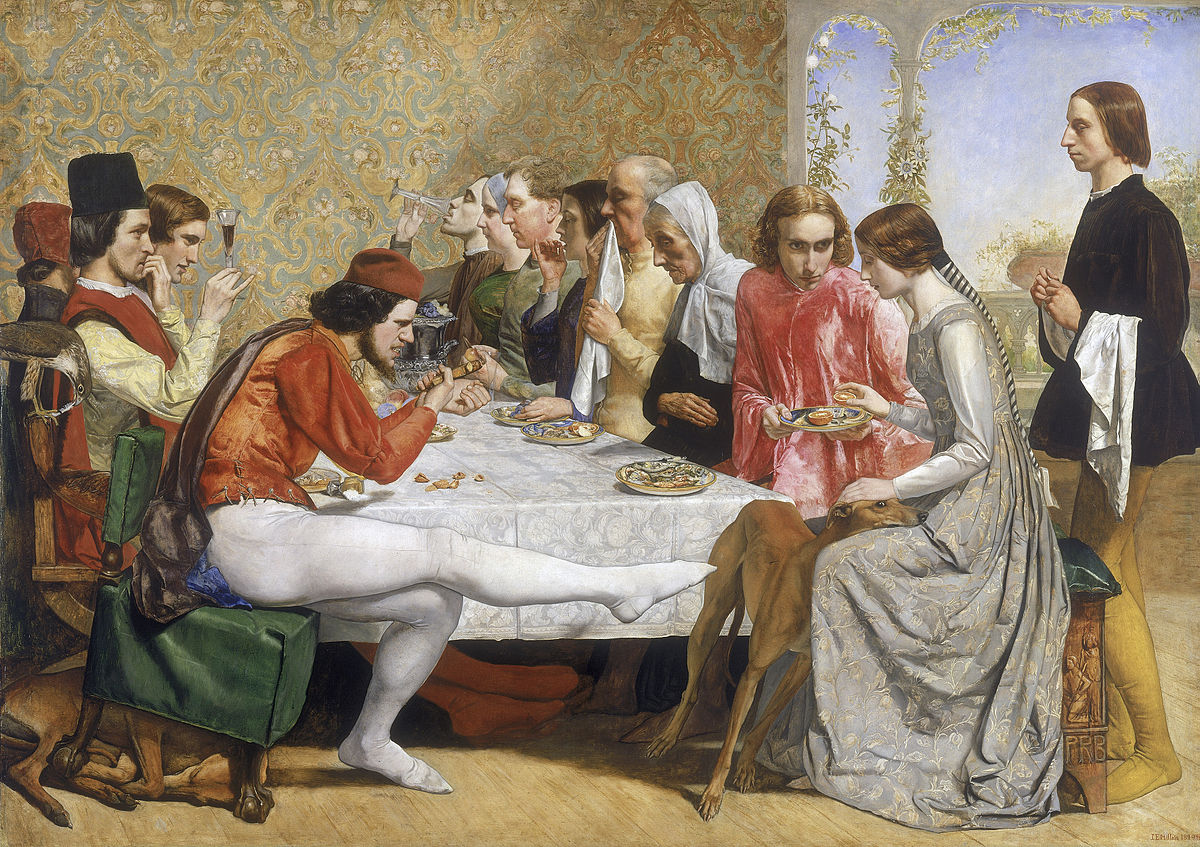
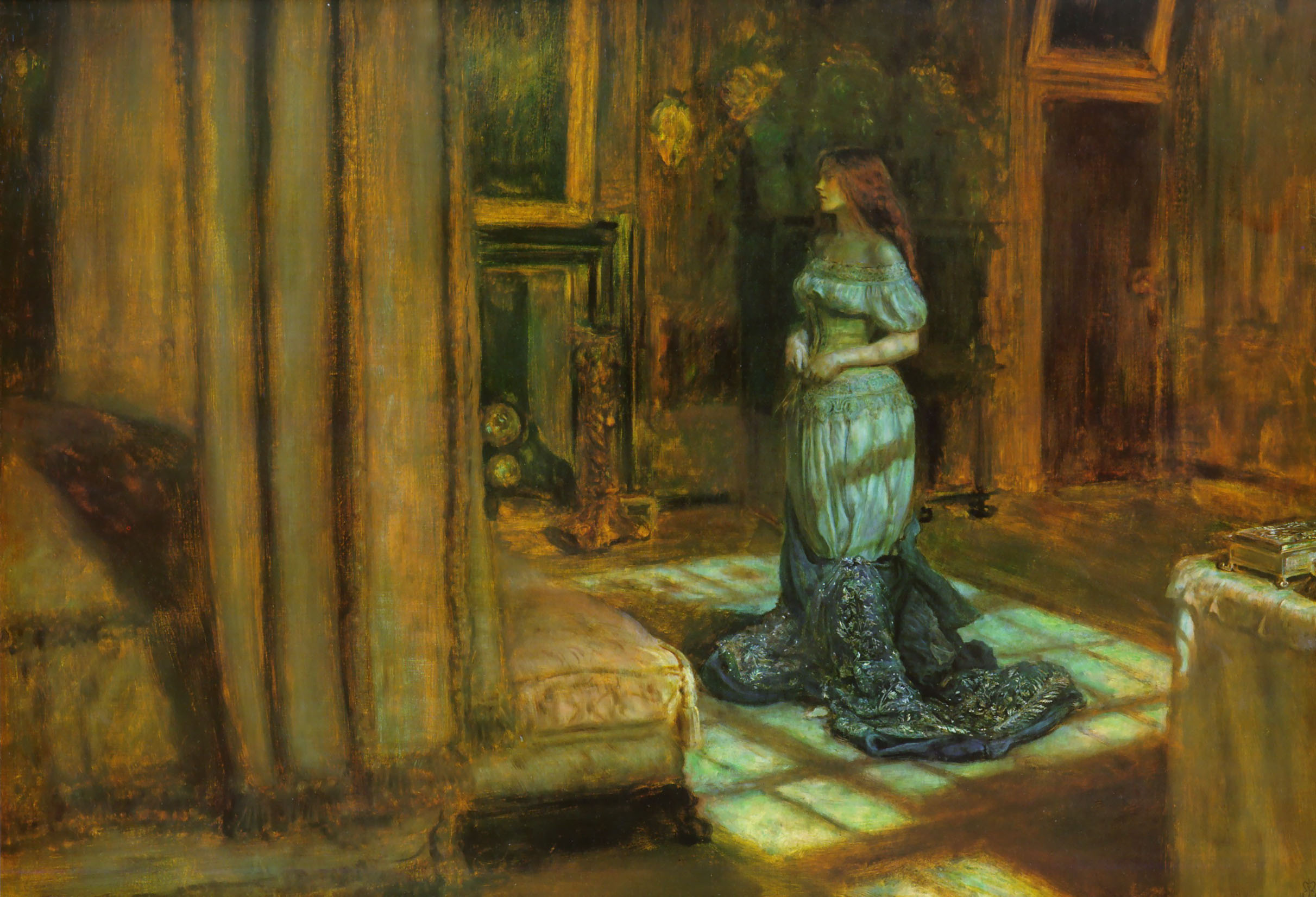
This exhibition features Pre Raphaelite works adapted from literature. The Pre Raphaelites borrowed immensely from William Shakespeare, John Keats and from their own Victorian contemporaries such as Alfred, Lord Tennyson to create an aesthetic reminiscent of medieval-style but, at the same time, wholly new. The project of the Pre-Raphaelite Brotherhood was to return to a time of freedom where the natural world was supreme and this was articulated through sharp lines and vivid colours. The scenes chosen by the Brotherhood exalt sensuality, beauty, intimacy as they speak more to the human experience than those of monarchs or military leaders which were often featured in both contemporary Renaissance works and those hailed in that period.
In the pieces chosen for this exhibition, there is a long literary echo. While the pieces themselves are adapted from literary works, several of these literary work are adaptations in themselves: Keats’ Isabella is an adaptation of Boccaccio’s Decameron (c. 1353); Alfred, Lord Tennyson’s Mariana is taken from Shakespeare’s Measure for Measure, which was itself an adaptation of a story titled “The Story of Epitia" from Gli Hecatommithi (1565) by Giambattista Giraldi Cinzio (also called Cynthius, or Cinthio). Often, a character is chosen as a pictorial subject by various Pre Raphaelite painters: in this exhibition, there are two versions of Keats’ Isabella and Shakespeare’s Ophelia, explored at varying points in their respective narratives.
This exhibition looks across media to show the pre-Raphaelites' negotiation between the strictures of medieval art and realism in a culture post the invention of the camera which produces such a rich visual imagination.