
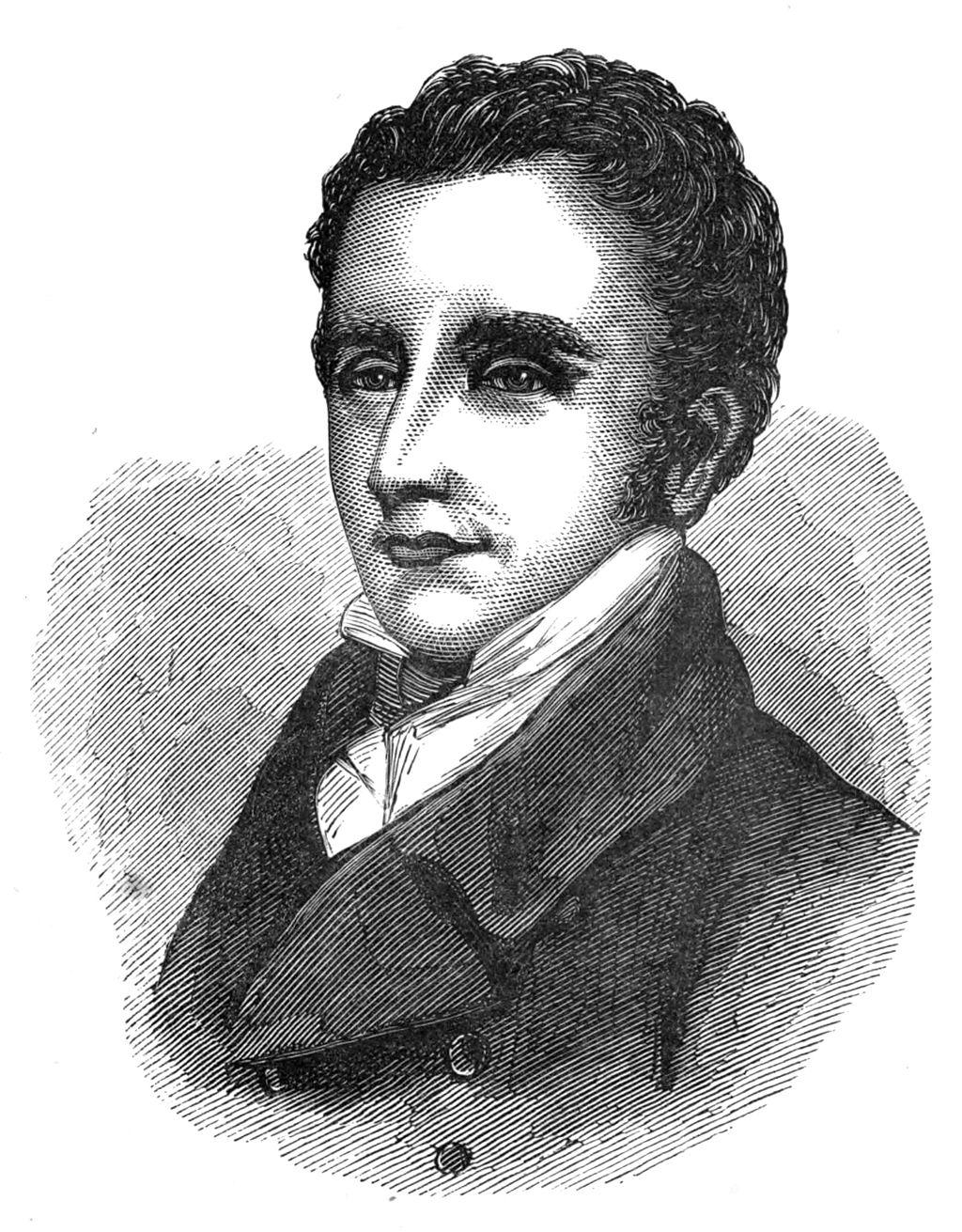
The Longman family shifted from the local soap trade to the London book trade sometime after 1738. An obituary notice of Thomas Norton Longman in 1842 depicted him as “the head of a house which has for more than a century been distinguished as the Leviathan of publishing and bookselling” (Briggs, 2004). The house of Longman later lived up to this title in the mid-Victorian years, heading and dominating the publishing business. There was a strong sense of “dynasty” in this family business, as with other publishing houses. Male inheritors often married the family members of senior partners (either the sister or the daughter) to ensure a large share in the property.
The Edinburgh Review was one of Longman’s most long-surviving publications. Launched in 1802, it was the Whig quarterly and gradually established substantial political importance. Upon seeing James Mill’s attack on the Edinburgh, the Longmans drew back from publishing the Westminster Review (95). The difficulty in finding a publisher for a Radical literary organ was not surprising, but the fact that the Westminster Review eventually became a reality reveals the material prerequisites for liberal discussions. If the “dynastical” succession of the Longman family business is a manifestation of primogeniture in capital accumulation, the publishing of the Westminster Review is a product of the market economy. Mill was also highly conscious of the “price” of circulating knowledge in print: in addition to the expensive Library Editions, he published cheap People’s Editions of his writings that “seemed the most likely to find readers among the working classes” (278).
Sources:
1. Briggs, Asa. “Longman Family (per. 1724–1972), Publishers.” Oxford Dictionary of National Biography, 2004, doi:10.1093/ref:odnb/72356.
2. Curwen, Henry. “A History of Booksellers, the Old and the New.” Internet Archive, London, Chatto and Windus, 1873, archive.org/details/historyofbooksel00curwrich/page/88/mode/2up.