
April 4th, 1886,
As I layed in bed this morning and read the gift Mary had dropped off last evening, I felt a wave of emotions swept over me. The air was crisp, and the pale sunlight was seeping in as I turned over to discover Charles had already left for work. My dear sister-in-law, Mary, had gifted me this pamphlet upon hearing the joyous news of my soon to be motherhood. She had gotten it from America!
With both anticipation and dread, I mustered the courage to delve into its contents. I am so lucky to have a friend such as Mary to help me through this time, I only have experienced vague notions of what to expect. Surely Mary had known this feeling as she too has had two children.
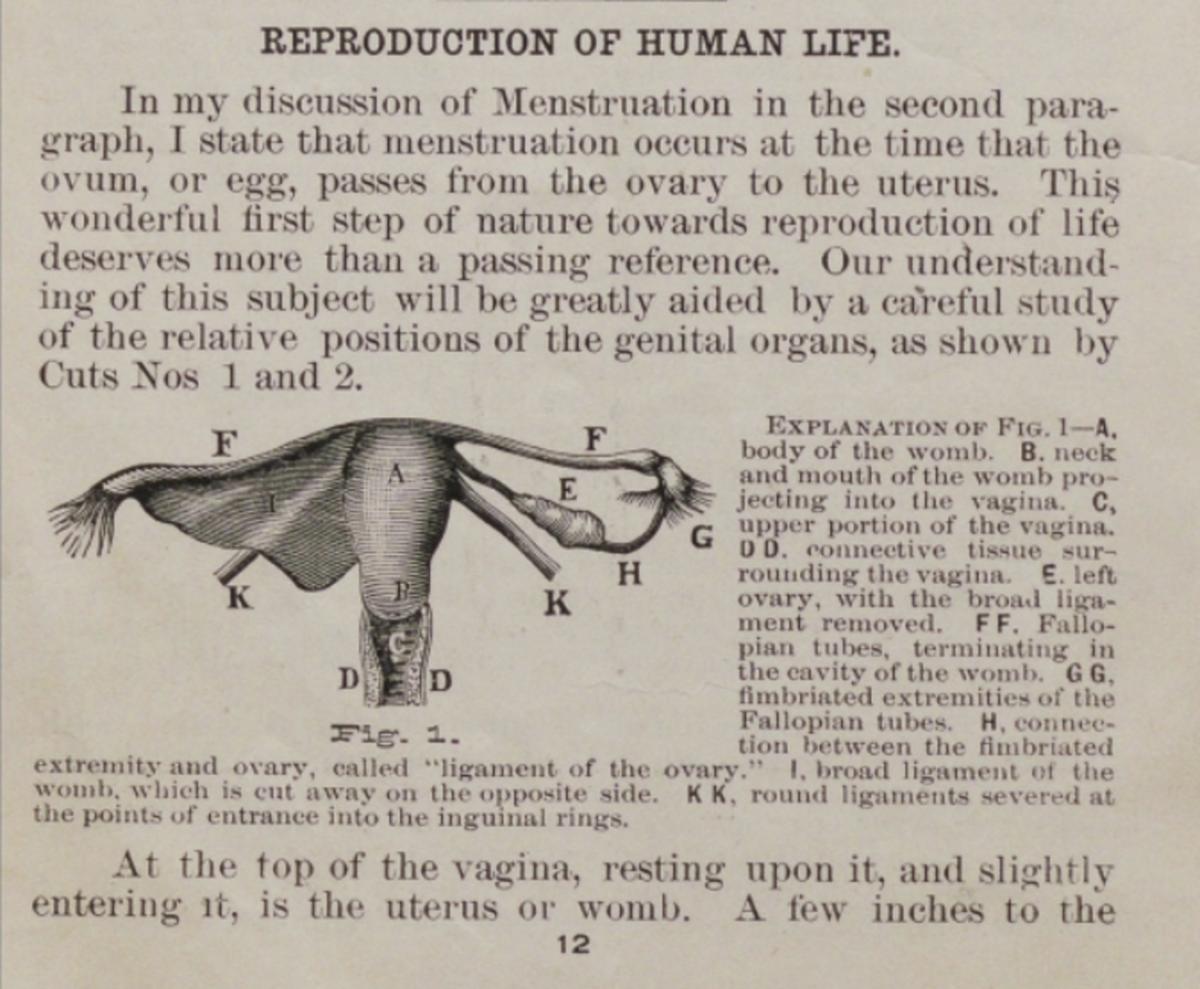
The pamphlet’s title, Advice to Mothers Concerning Diseases of Women & Children: A Compendium of Facts Relating to Woman's Physical Nature, Part Two, its pages revealed a wealth of knowledge that didn’t fail to intrigue and intimidate me. With every page I read, I could feel the wisdom of generations of mothers. I am so lucky to have been able to get pregnant. Charles and I have been married and trying for 8 years now. I dream of being able to make Charles the father he deserves to be.
The pamphlet teaches me about the health of my own reproductive system and how it works, and the importance of my own health to insure that of my childs. Not many speak of the process of childbirth, reading this pamphlet was like lifting a veil and allowing me to glimpse at my future. I realized that I was not alone on this path, this pamphlet was my guiding light.
With every page I read, I became more and more thankful for Mary’s thoughtful gift. She had given me more than a gift, she shared with me the strength of motherhood. Motherhood is not merely a choice but a profound dutty in our existence. This torch passed down to me will provide meaning to my days and love to my life. This is the most joyous time of my life and marriage.
- Adelaide
Editorial Commentary-
The entry from April 4th, 1886, offers a glimpse into Adelaide's life shortly after she realizes she is pregnant. This offers insights into the social and cultural context of motherhood and women's health during this time. Adelaide’s reflections upon receiving this gift from her sister-in-law, Mary, show the anticipation she expresses about the mixed feelings of being with child. During this time reproductive health was not talked about for women, you can see this as she expresses gratitude to Mary for being brave enough to talk about it with her and provide guidance. Adelaide acknowledges her struggles with infertility and being without purpose without a child, and her dreams of making her husband a father. It used to be believed that infertility was a curse from the gods as it wasn’t fully understood until the 1800s, because of this Adelaide most likely felt very ashamed of herself for not being able to get pregnant, and like she couldn’t do what she was meant to do (The History of Infertility). This sheds light onto the societal pressure placed on women to fulfill their roles as wives and mothers. During this time being a good wife and mother was determined based on your ability to fulfill the roles society placed for women, “Good mothers, they agreed, worked tirelessly to ensure a clean, well-ordered home. Their duties involved the wise spending of a husband’s meager wage, and the endless rounds of cleaning, cooking, and sewing necessary for the physical well-being of the family.” (Griffin 67). This entry also highlights the sense of duty and responsibility associated with motherhood during this time. Adelaide’s realization that motherhood isn't just a choice but is a duty reflects the ideology of the gender roles during this time period. In conclusion, Adelaides' entry provides a valuable historical perspective on the complexities surrounding motherhood and women's health in the Victorian Era. It shows the emotions and societal pressures that women such as Adelaide faced.
Griffin, E. (2018). "The emotions of motherhood: Love, culture, and poverty in Victorian Britain." The American Historical Review, 123(1), 60–85. https://doi.org/10.1093/ahr/123.1.60
“The History of Infertility: Treatments, Understanding & Other: Ilaya Clinic.” Ilaya, 30 Aug. 2019, ivf.ilaya.com/history-infertility-treatments-understanding/.
Zoa-Phora Medicine Company. (n.d.). Advice to Mothers Concerning Diseases of Women & Children: A Compendium of Facts Relating to Woman’s Physical Nature, Part Two. H. H. Everard & Co.