
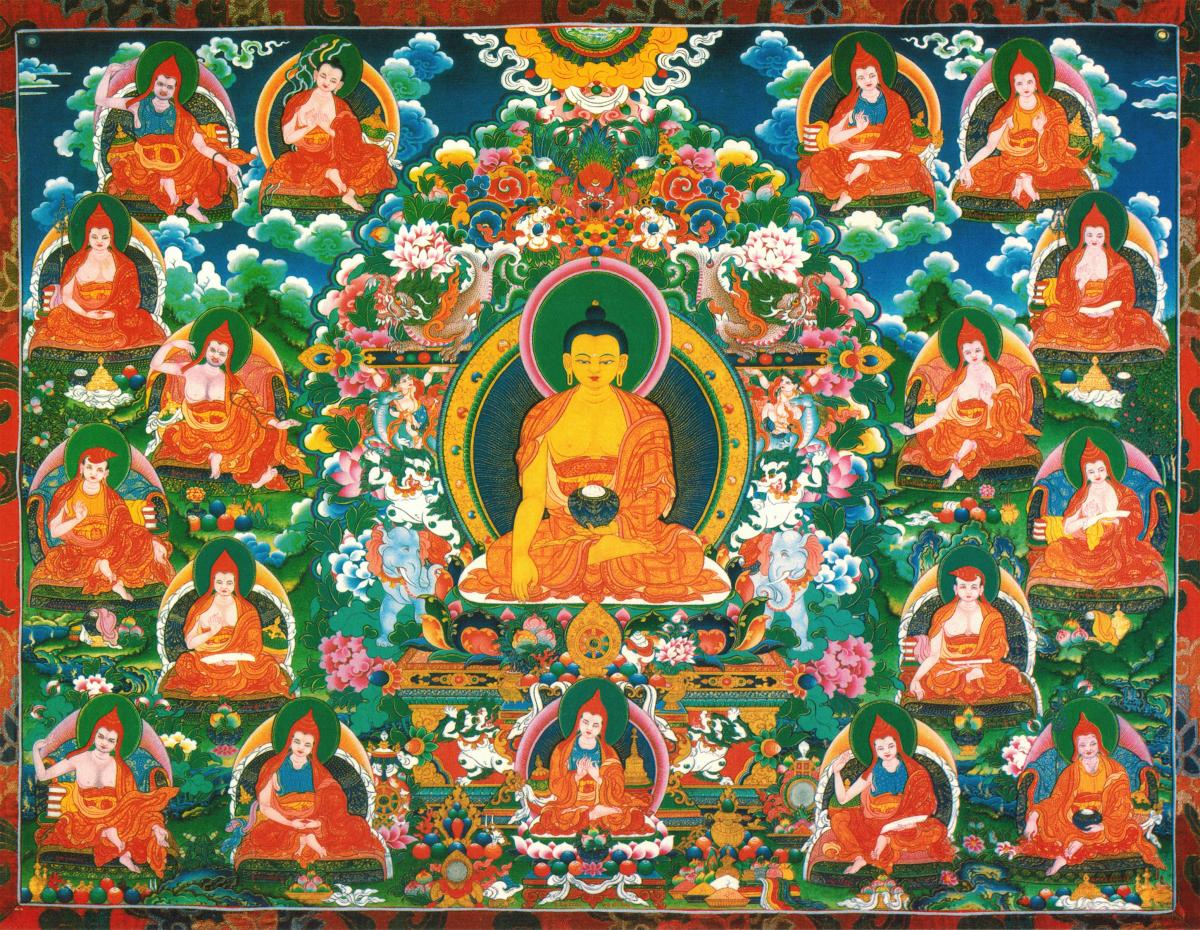

Panda (from Sanskrit pandita, “learned man”) is the most common name for a class of hereditary religious guides at many North Indian Hindu pilgrimage sites. Each panda family enjoyed exclusive hereditary rights (protected by detailed genealogical records) to serve pilgrims from a specific area. Services for the pilgrims include providing housing, food, guided tours, ritual actions, supporting the sick and lending money. In some sense, the panda family functions like the pilgrim’s extended family. They formed an essential support network before the development of fast transportation and communication networks. In return for their services, pilgrims are required make a token cash payment upon arrival and a more substantial amount to be picked up at their homes later. The pandas are rendered more cosmopolitan by travelling regularly to collect these final payments. As technological advancements in the 20th century made transportation and communication faster, they also reduced the demand for the panda network. Thus, the panda’s role changed from that of a family member to being a hired ritual priest.
Sen registered the transitioning role of the panda in an almost comic tale of their forced pilgrimage in Allahabad. The depiction of the panda resembles the figure of a petty merchant. He turned up without notice and would not let the couple go before a tedious and exhausting tour of the holy places. Sen and her husband were “at last free from his clutches” after paying four annas (159). Suffering from great pains in her legs, which aggravated from intensive walking, Sen remarked sarcastically, “So much for earning religious merit!” (159) Placing aside Sen’s ambiguous relationship with religion, the panda’s portrayal here allows glimpses into the impact of and frictions in the drastic changes during the colonial period. The panda, although still possessing a certain religious authority and social connections (as extended “family”), is gradually reduced to a vocation. The inherited rights were replaced by capital interests and the family networks were replaced by monetary contracts.
Sources:
- Blumenthal, James. “The Seventeen Pandits of Nalanda Monastery.” Tibetan Buddhism in the West, info-buddhism.com/Seventeen_Pandits_of_Nalanda_Monastery_Blumenthal.html.
- Lochtefeld, James. “Pandas/Pilgrimage Priests.” Oxford Bibliographies, 29 Nov. 2017, www.oxfordbibliographies.com/view/document/obo-9780195399318/obo-978019….