
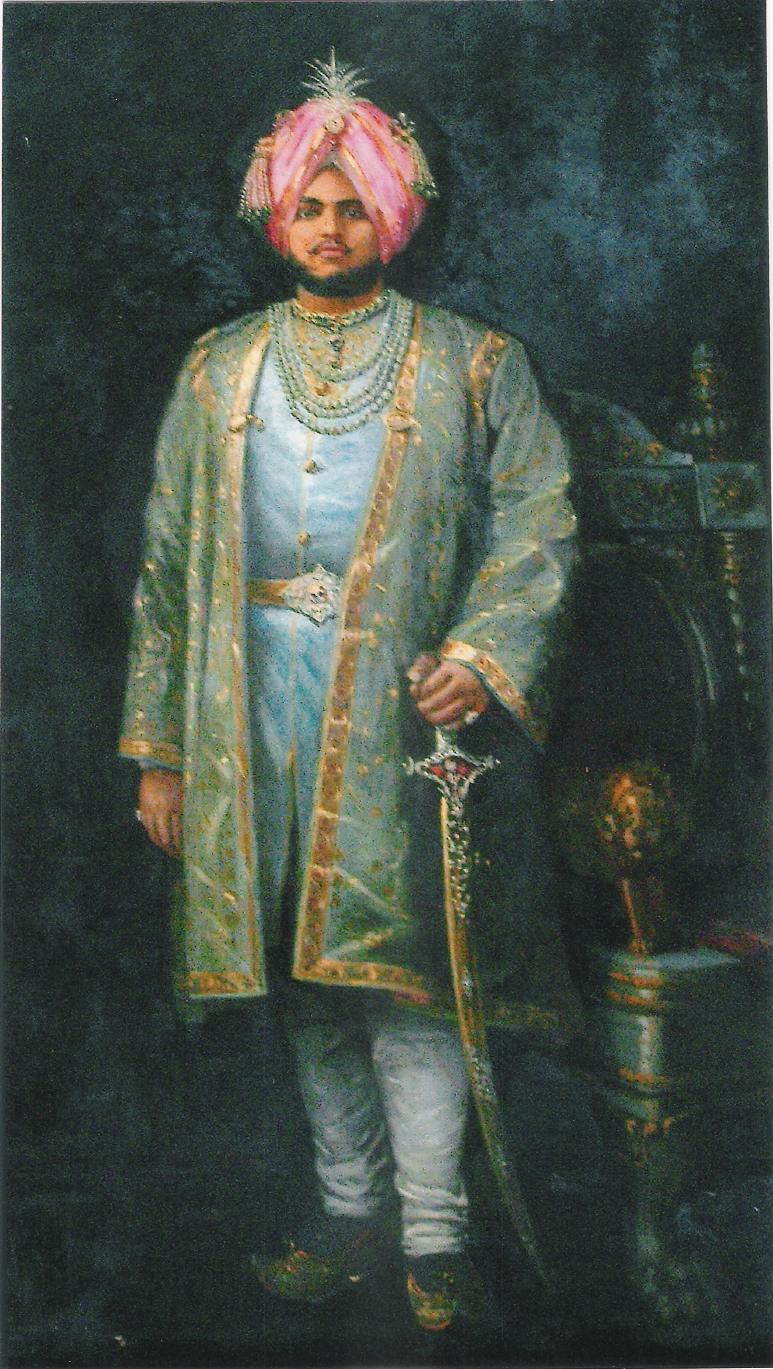
For centuries, regions of the Indian subcontinent were ruled with quasi-autonomy by kings known as Rajas. Though their roles and responsibilities invariably changed over time, they remained permanent fixtures of Indian society. After the establishment of the British Raj in 1858, India was officially subsumed into the British Empire, raising questions about the position of the Rajas within the hierarchy of the imperial system.
In keeping with imperial policy, British officials elected to maintain many of the Rajas rather than replacing them with colonial officials. Indeed, the Raj allowed ‘native chiefs’ to rule 175 princely states throughout India. Nevertheless, Indian rulers were henceforth made to emulate Western customs.
Although their power was curtailed by imperial authorities, including being demoted from kings to “princes” and “chiefs” by colonial rhetoric, many Rajas and Maharajas successfully retained some degree of autonomy. They continued to maintain order, collect tax, and implement reform within their kingdoms.
In fact, some positively thrived in this period: expanding women’s rights, increasing access to education, outlawing child marriage, and legislating against caste discrimination. Some Rajas took it upon themselves to better their kingdoms in the face of the empire on which the sun never set.
When Sen was in East Bengal, she worked as a servant for the local Raja and Rani (“princess”). She recorded that the Raja hired porters, maidservants, a teacher, and a guardian for the Rani. These facts demonstrated the social status and wealth of Raja at the time.
Sources:
“The Rajas of India”. Manchester Historian. https://manchesterhistorian.com/2014/the-rajas-of-india/
Sen, Haimabati. Because I am a Woman.