
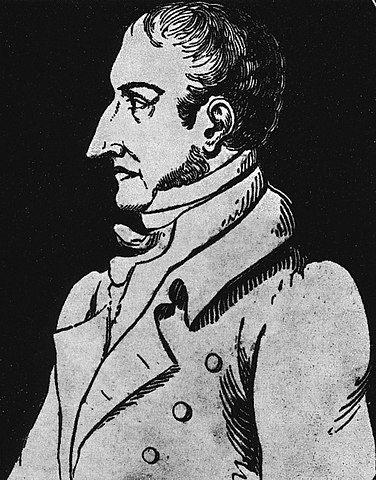
In the 1800s, juvenile crime was becoming an increasing problem in large cities around England, and the most common form was pickpocketing. Kidsmen were criminal bosses who trained young boys and, in some cases, young girls to pickpocket and steal for them. The Kidsmen would then ‘fence’ the stolen merchandise in pubs, and lodging houses called flash houses. One of the first reportings of a criminal boss training young boys was in 1817. Thomas Duggin ran a group of professional pickpocketers in London’s St. Giles slum. The most notable thief trainer and receiver of stolen goods was Isaac “Ikey” Solomon; he was active in the 1810s through 1820s. Ikey Solomon is argued to have been the inspiration behind the character of Fagin. Solomon was arrested multiple times for his crimes and managed to escape three times. In 1829 he was in the penal colony of Tasmania visiting his wife and child when an arrest warrant was sent. It took twelve months for the warrant to arrive and be taken back to court in London. His trial was highly publicized in the newspaper and is believed to be the source for Dicken’s character. Fagin’s trial in chapter 52 has many similarities to Ikey’s, except Ikey was not sentenced to death and instead was transported back to Tasmania.
Works Cited
James, David. “The Remarkable Story of the Real Fagin from Charles Dickens' Oliver Twist.” 5-Minute History, 7 July 2017, fiveminutehistory.com/the-remarkable-story-of-the-real-fagin-from-charles-dickens-oliver-twist/.
“Juvenile Crime in the 19th Century.” The British Library, The British Library, 18 Feb. 2014, www.bl.uk/romantics-and-victorians/articles/juvenile-crime-in-the-19th-…;
Image credits: By anonymous print - Lambeth Police Office - http://princeoffences.com/about/, Public Domain, https://commons.wikimedia.org/w/index.php?curid=16135250