
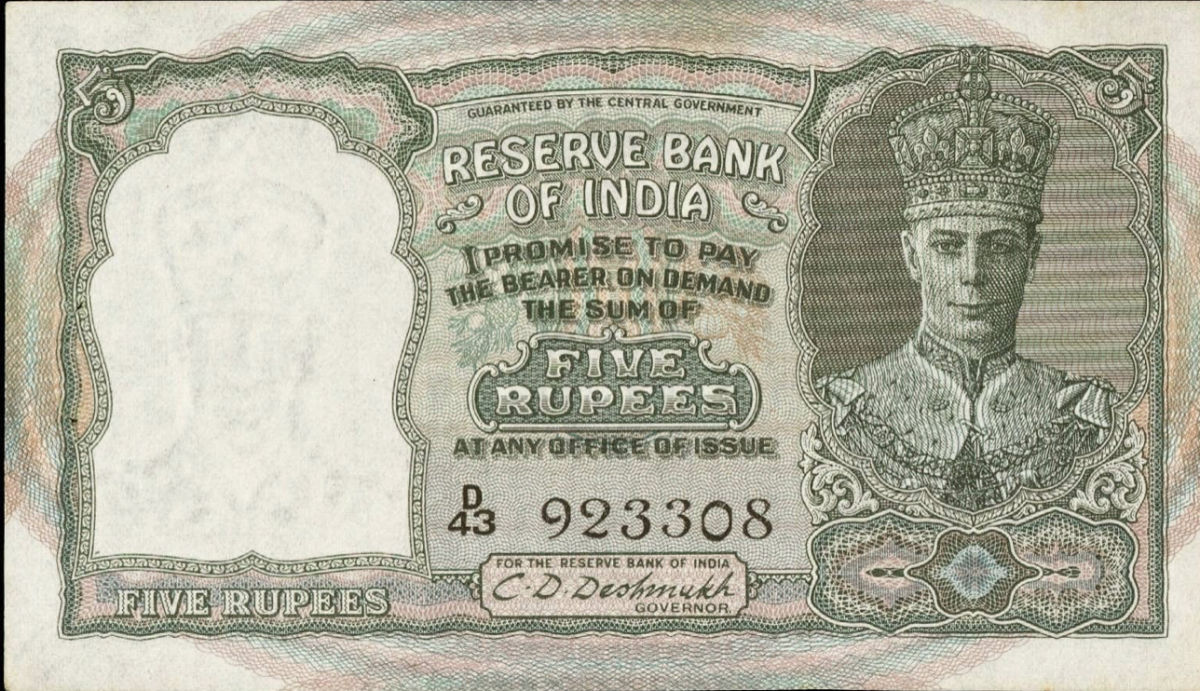
The rupee is the currency used in India, a country that has used the coin as currency since the 3rd century BC. The rupee’s precursor is the rupiya, which is a silver coin weighing approximately 12 grams and originated from Sher Shah Suri’s tenure as India’s ruler. The rupee eventually became normalized as the major form of currency in Indian by the Moghul Empire. Under the rule of the British empire, the rupee became destabilized as it was separated into 16 annas. In 1717, Farrukh Siyar allowed the British government to create Mughal money using a mint in Bombay. In 1840, the coins featured queen Victoria. Ultimately, as the gold silver ratio increased in the late 19th century, India’s silver-based currency could not compete with economies that adhered to the gold standard; thus, the British government demanded that more rupees were released into circulation, which eventually lead to elevated and more frequent taxation.
Sen’s autobiography is saturated with how many rupees she acquires and spends, and an understanding of its value helps readers make sense of Sen’s economics status. For instance, she writes: “My husband’s elder brother sent ten rupees that month. After paying all my expenses, I would be left with two or three rupees. I told Aunt: “Buy some rice and slat with whatever is left after paying the rent. If my destiny provides me with anything beyond that, well and good. If it doesn’t, I don’t care” (Sen 64). Here, Sen gives specific details about how she handles her money, even though she states that she was not interested in telling her acquaintances about her financial situation. She allows others to think that she eats just one meal a day for spiritual reasons. Note that while it is difficult to determine how much 1 ruppe was worth in Sen's time in the context of modern day currency, it may be useful to note that in 1850, the exchange rate (pence per rupee) was 24.3; this highlights the extent of her poverty. She thus creates a sense of intimacy between author and reader, and knowing how much the rupee is worth and its history in the context of the British Empire is useful for understanding Sen’s financial situation and her perception of it. More speciifcally, an understanding that annas were worth less than rupees underscores the small sum of money she possessed and the extent of her poverty.
Pal, Sanchari. "The Intriguing History of the Indian Rupee and it's Evolution." The Better India, 27 February 2021, https://www.thebetterindia.com/61190/history-indian-rupee/.
"History of Indian Currency: How the Rupee Changed." Economic Times/ India Times, 27 February 2021, https://economictimes.indiatimes.com/wealth/save/history-of-indian-currency-how-the-rupee-changed/articleshow/55635259.cms.